
Dernière mise à jour le 3 August 2026
I love travelling, and even though I’m not a fan of decorative items, I like to display some travel memories at home. So here are some ideas of ways to remember about your travels without buying soulless trinkets! These souvenirs require no or few material and barely cost any money.
Contents
Framing some souvenirs
There are many things that you can recycle or upcycle before framing them. It’s a way of reusing material that would otherwise end up in the trash, and in addition you can find really cool and cheap frames in flea markets and second hand stores.
Posters, flyers…
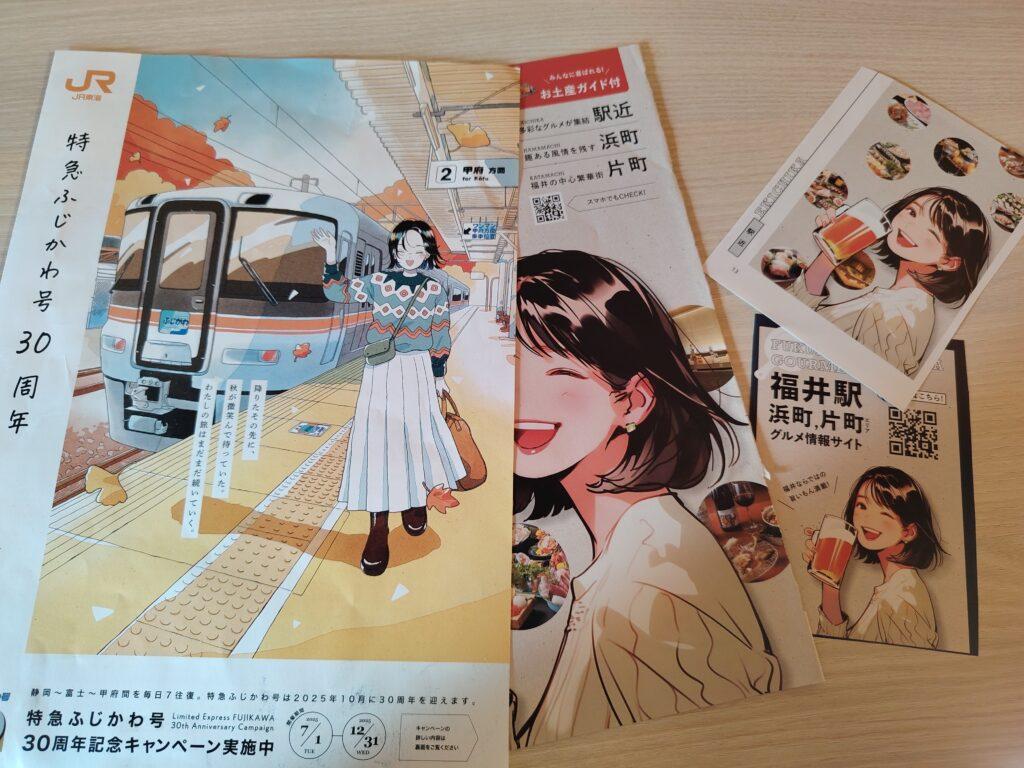
Last time we visited Japan, we noticed several nice posters and other free magazines in self service in train stations. This one for example shows Mount Fuji and some characters of an anime we really like. Since we saw Mount Fuji during our trip, as well as several spots featured in the anime, it felt like a lovely souvenir to bring back. It was free, it was light, we liked how it looks.
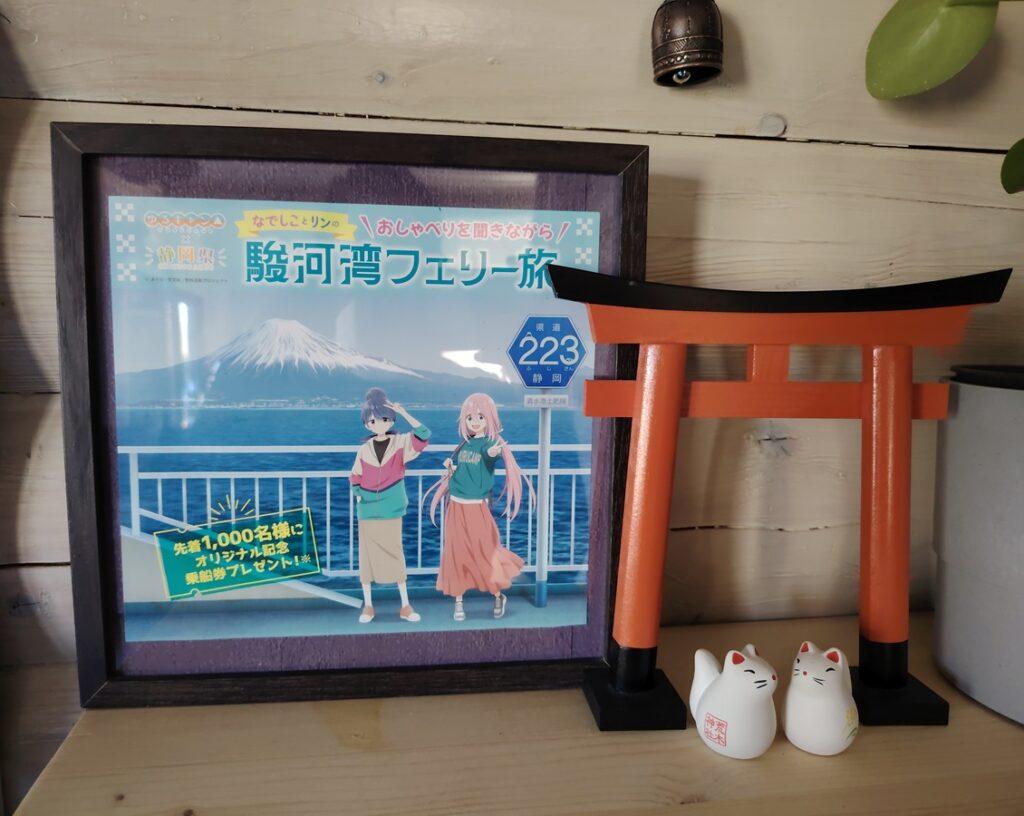
Here’s a similar frame as seen on Instagram:
It’s even better if you can recycle posters from past events, since they’ll definitely end up in the trash. You can also ask for outdated posters that some shop owners haven’t removed yet: they’ll be glad not to have to dispose of them themselves!
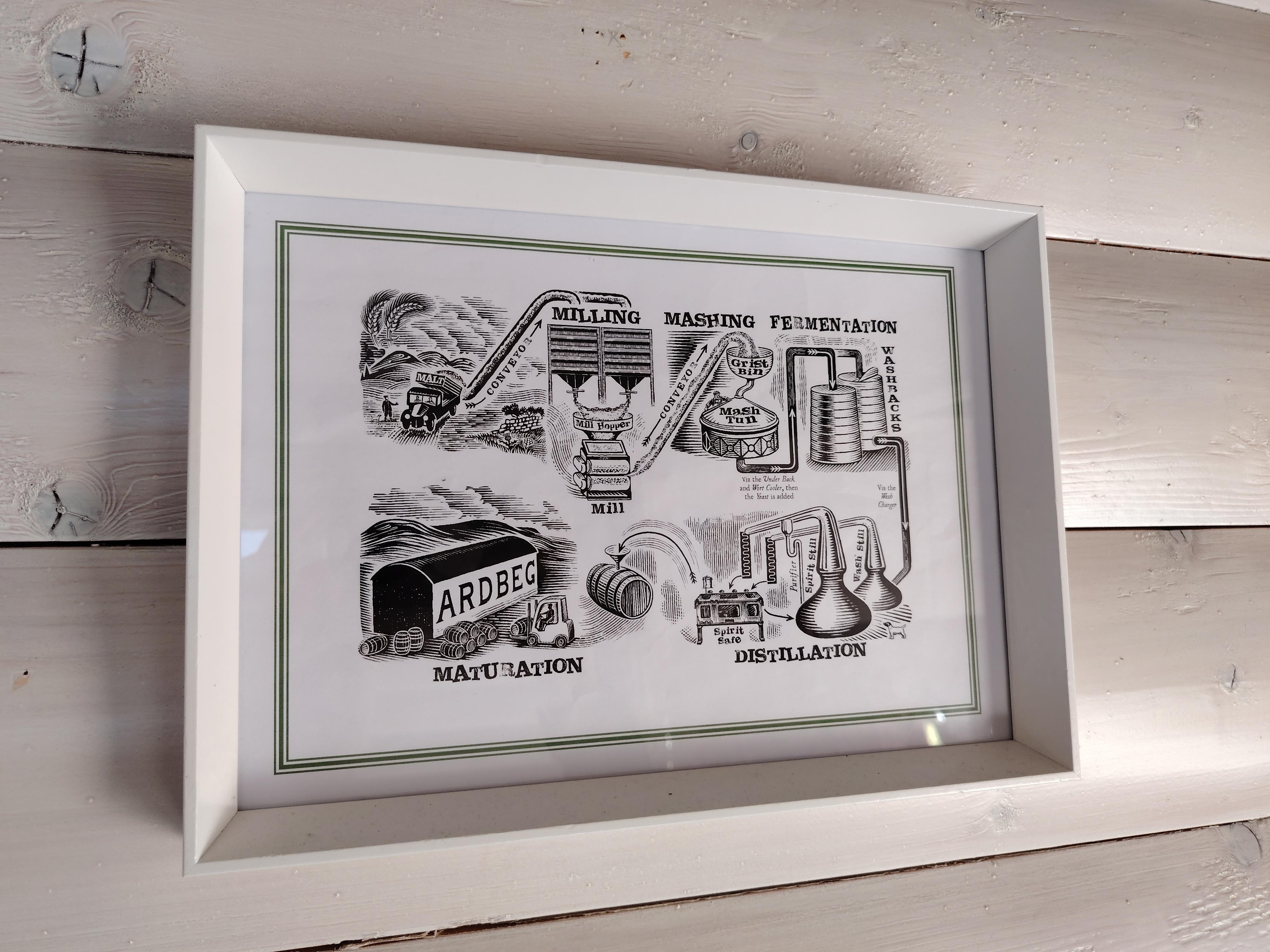
Here’s another frame we did with the back of a brochure we received during a distillery visit, that shows the production process of whisky.
Dried or pressed leaves
Your attention please! Before reading further, note you have to check what’s allowed or not regarding plant (or other natural elements) collection in the country you visit. Also, I picked some leaves from public places were they would end up swept away and disposed from in the garbage, but please refrain from picking leaves in natural environments like woods, where vegetal debris nourishes the ground and part of the fauna.
There are many ways to display a collection of dried leaves (you’ll find many patterns on Pinterest for example). You might buy a dedicated frame, that allows to press the leaves to fix them in position, but I chose to use a normal frame, a thick sheet of paper and some glue to avoid buying something extra.
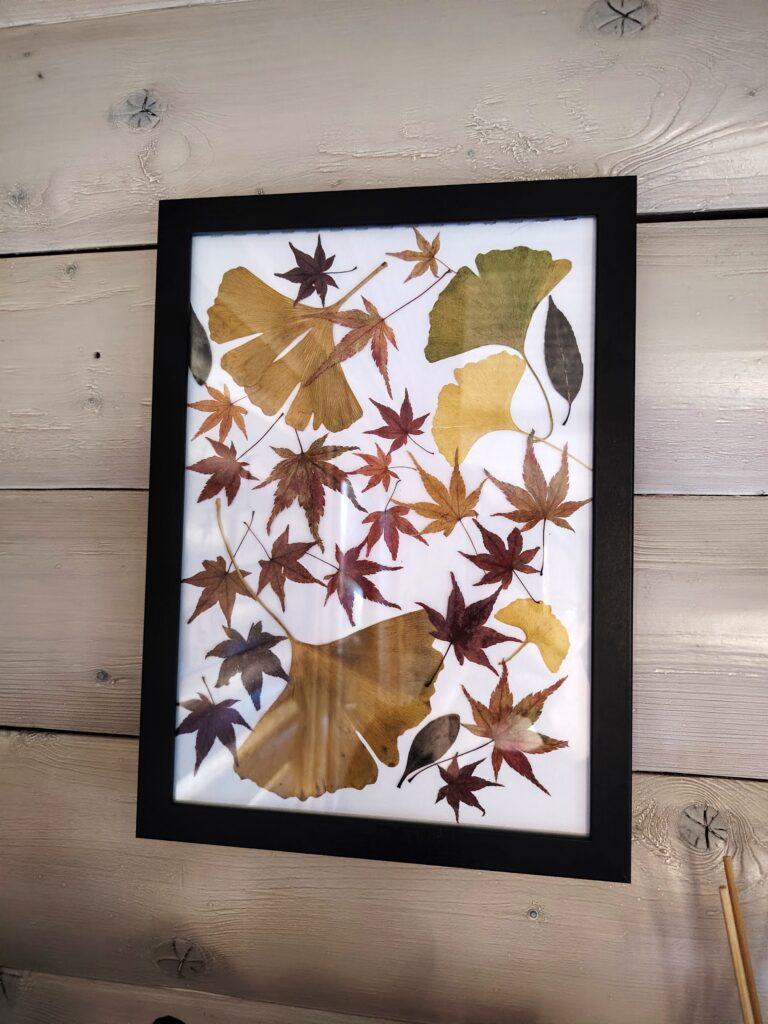
Of course, this is more relevant to autumn trips…
Nice can or bottle labels
My husband and I really like tasting drinks like beer (we’re Belgian, are we not?), wine, whisky… When we drink something from a pretty can abroad, we like to keep the label as a souvenir. Those labels are easy to remove without getting damaged, you just need a piece of paper to stick them on (but hey, while on holiday, no matter how hard we try, we usually end up with brochures in our backpack…).
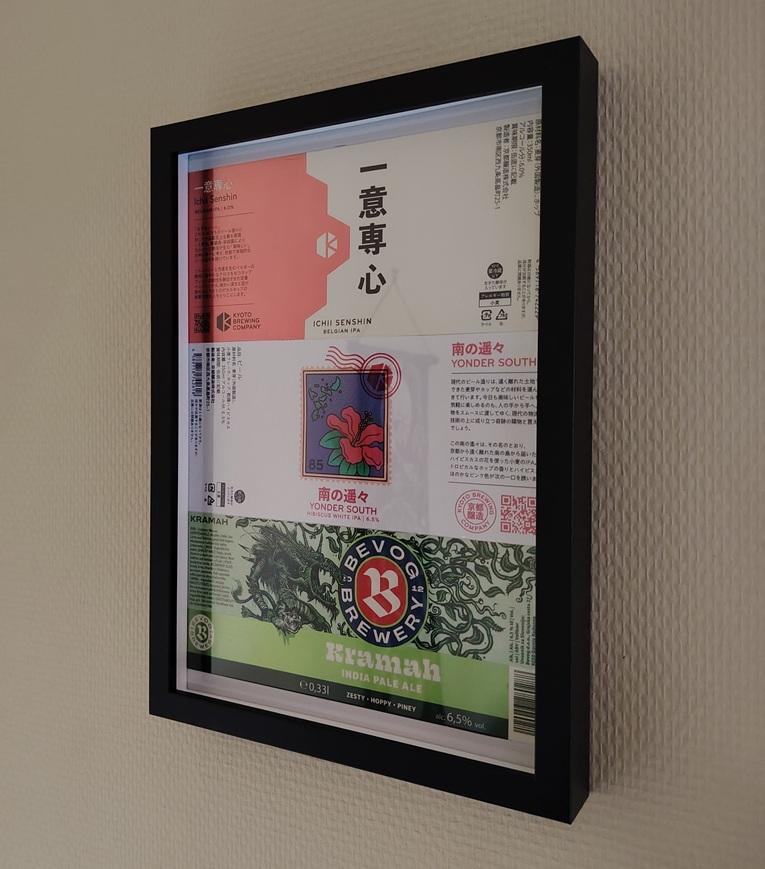
For glass bottles, you’ll need a heat source to remove the label without damaging it, but since those are generally bottles that we take home, we can use techniques involving a hair dryer or hot water to do so.
Writing a journal, collaging or drawing
A lot of people will argue that they are “no artist” and that they can’t do this kind of stuff, to which I reply: it doesn’t need to be an oeuvre d’art, it just needs to remind you of your time abroad. You don’t need a literary writing style, drawings that could be displayed in a museum, or anything. Also you’re not doing it to show off on social medial, but as a personal souvenir, so who cares if it’s messy.
Travel journal
There are ready-to-fill-in models, but I believe the spontaneous notes you’ll take on a blank notebook are more authentic (but if you need the structure of premade journals, you do you!).
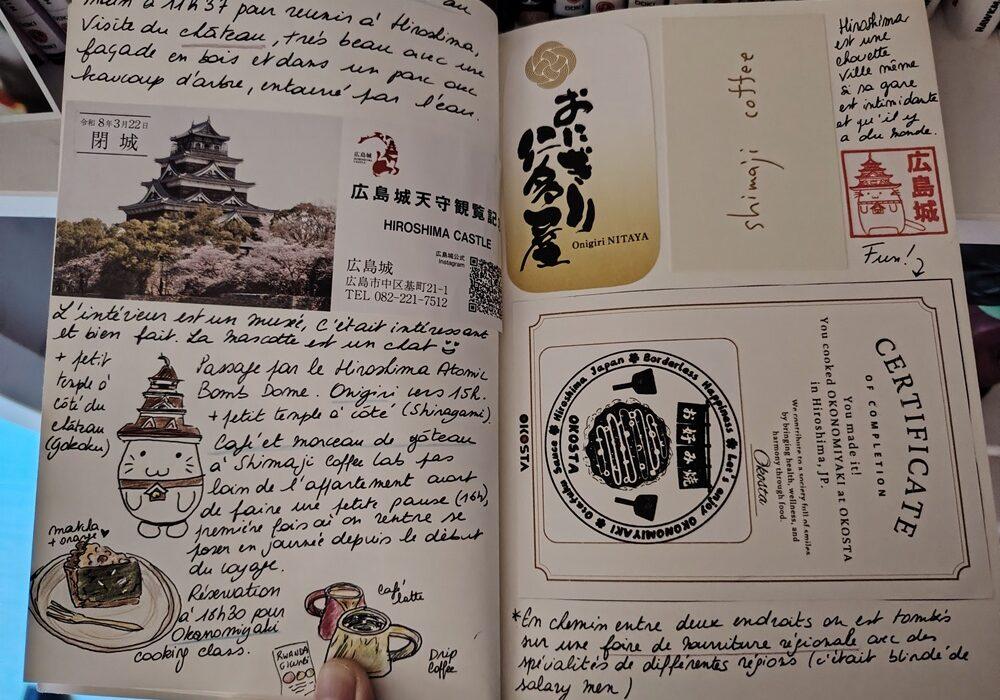
I personally like to stick thinks, write the daily activities and some anecdotes, doodle (and of course, when in Japan, collect the stamps available at stations and other points of interest). It’s a nice way to collect tickets, parts of brochures, labels, and anything that can be stuck on paper and would just sit in a box untouched otherwise.
It’s not necessary to make such a journal, just writing is plenty enough if you feel like more complicated journals are overwhelming! In fact, mine is kind of a mix of a journal, sketchbook and junk journal, but it’s only because I like all those ways of keeping track when travelling.
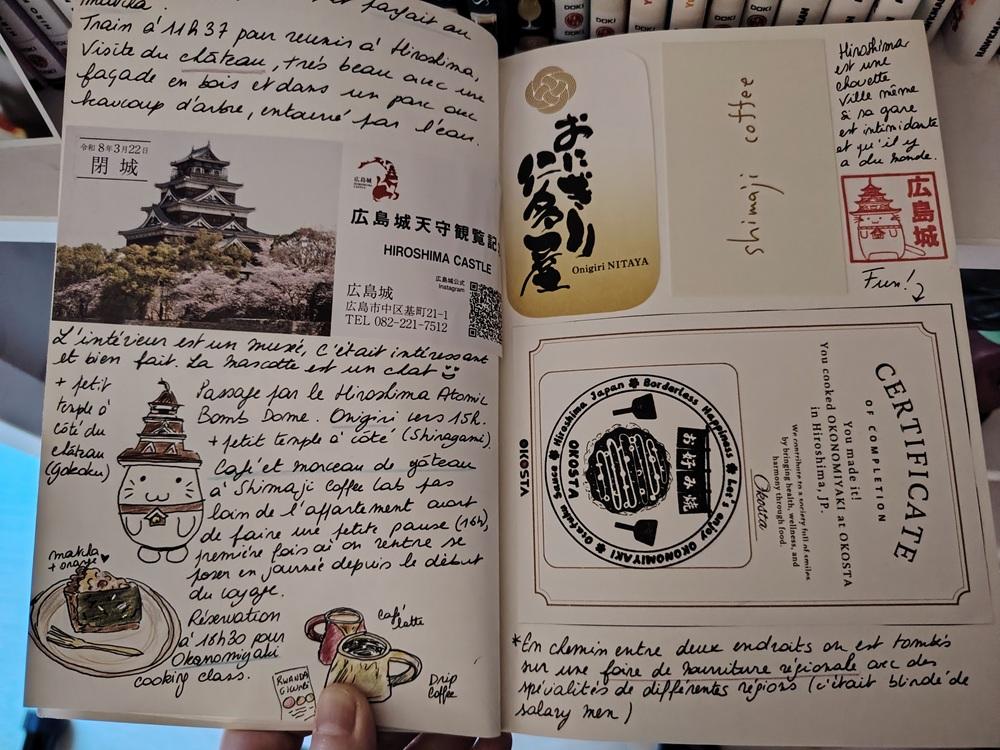
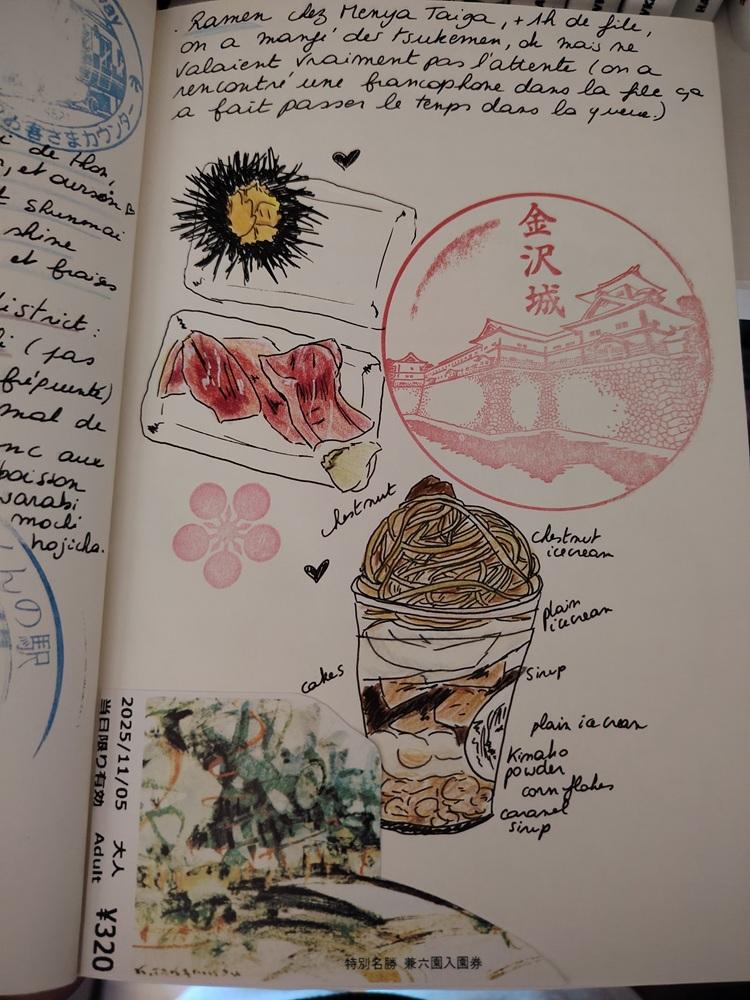
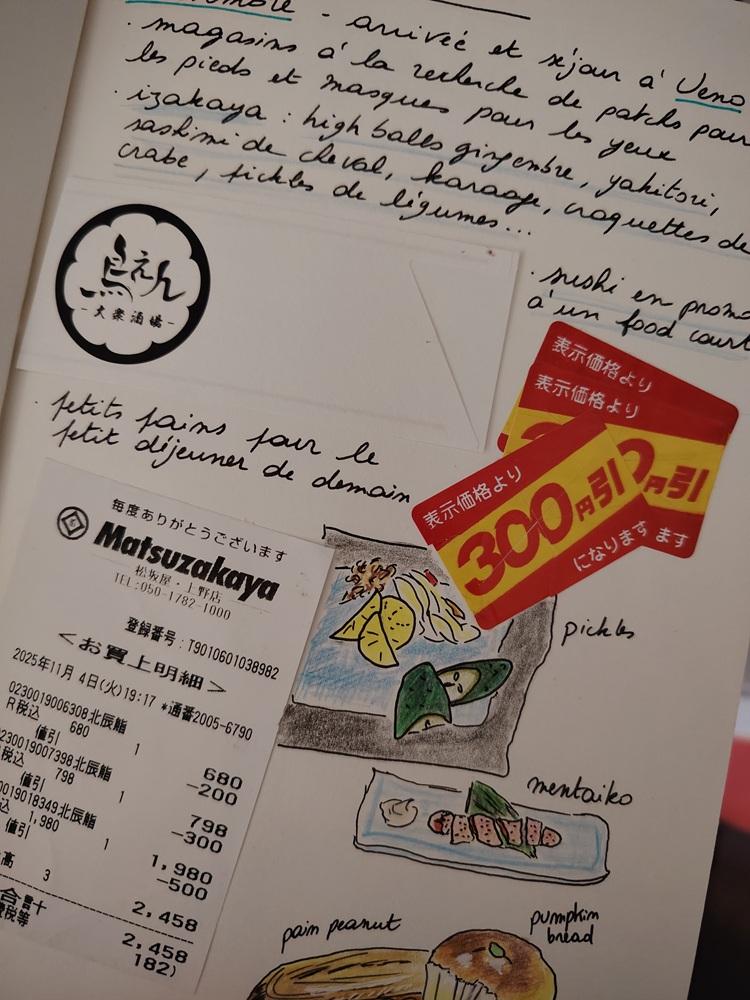
Sketchbook
Social media makes it look like “sketching” should be neat and requires advanced drawing techniques. The word itself totally lost its meaning (from the dictionary of Cambridge: “a simple, quickly-made drawing that does not have many details”). There is no need to make something aesthetic, “beautiful”… you only need to sketch things that you will be able to recognize and that will remind you of something specific to your travel.
Also, let’s not hide behind “talent”: getting better at drawing only comes with practice. Almost anyone can reach a stage where their sketches are more than good enough for a travel sketchbook. If you want to give it a try, take some hours to practice before your trip, by using similar pictures of what you think you’d like to draw on holiday.
Junk journaling
Junk journaling is a journaling technique… that uses junk! Anything you’d otherwise throw away (brochures, tickets, food labels, paper bags…) and that can be stuck on paper is potential material for a junk journal.
Again, don’t feel pressured to buy complicated tools or to make it super aesthetic because some influencers are making art out of junk: you can just gather things that you collected during your trip and make a simple collage.
To make this really “low consumption” and stick to the “junk” part, I try to use only material that I already have (paper I couldn’t refuse, food packagings, chopstick paper covers, pages of a magazine I cannot reuse otherwise or give back…) and not pick brochures or business cards from restaurants or bar counters.
This concept can also be used for framing instead of journaling.
Visiting flea markets
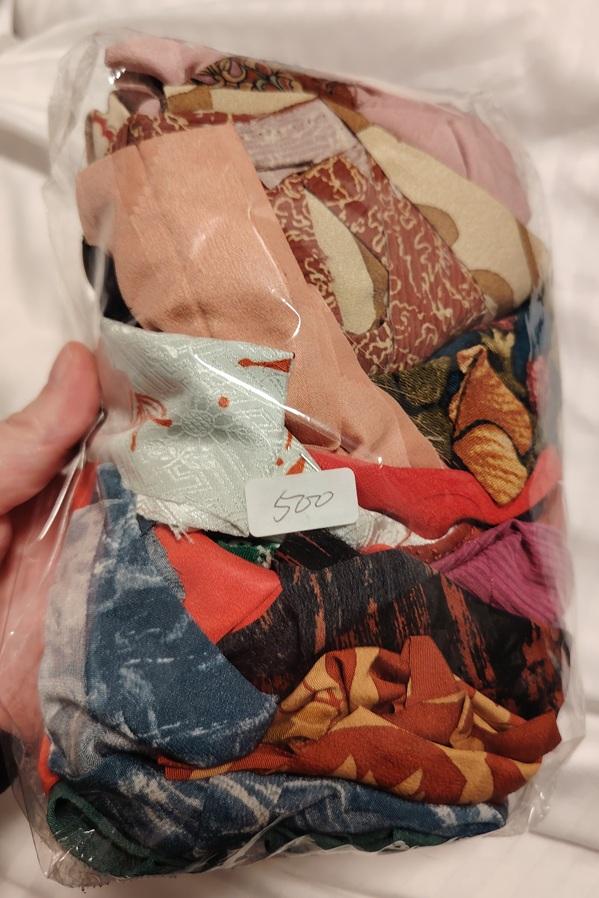
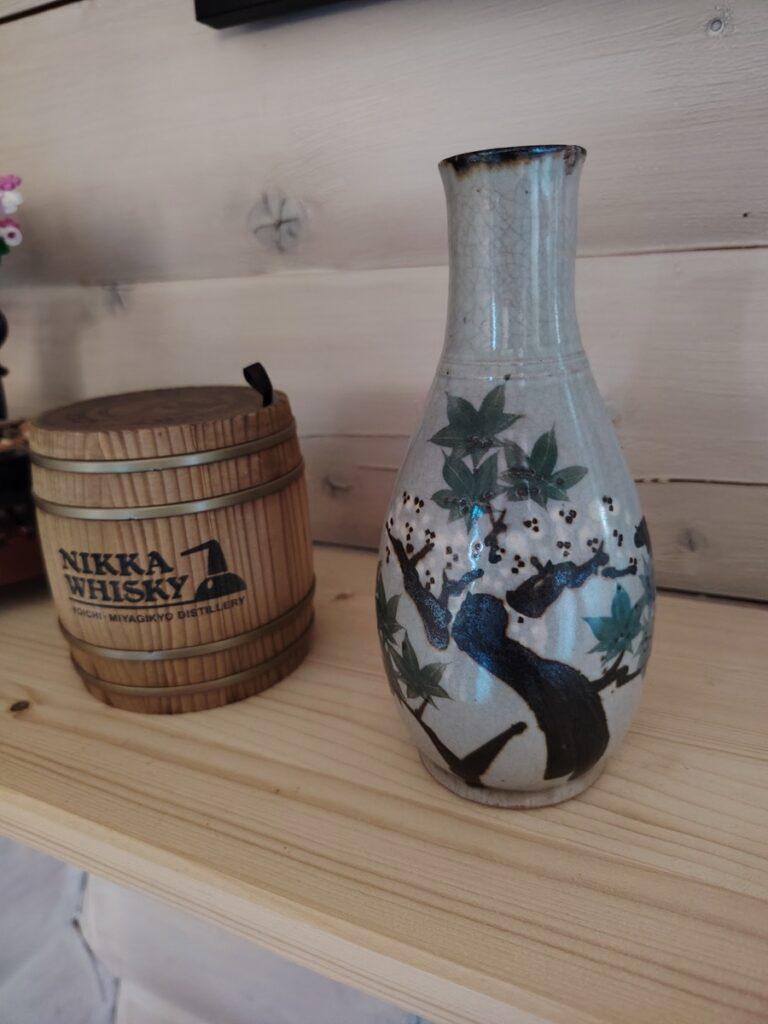
To avoid buying poor quality items from tourist shops, head to flea markets! You’ll find local items of all kinds, like this sake bottle that is slightly damaged, but perfect as a flower vase (that cost me slightly more than one euro), or this collection of fabric scraps from traditional Japanese clothing that I’ll use for craft or decoration (maybe another frame idea!) for three euros.
Buying useful items
Finally, there’s another case where souvenir items don’t equal “useless consumption”: that’s when you actually need the thing. It means buying it will not cause you to throw away or stop using something you already own and that was doing the job. Instead, you buy it because it’s actually on your “need list” and you will indeed use it.
Those items can be anything, from clothes to kitchenware, tableware, stationery… as long as they’re something you need. That’s actually a good reason not to buy anything you need right away: it’s a future opportunity to buy the thing during your next trip!
Other minimalist travel souvenirs
Those items can be collected without taking up much space in your home. It can also become a travel tradition: let’s find the one item to add to my collection that really embodies this travel!
Here are some ideas:
- pins
- iron-on patches
- postcards
- stickers
- magnets
And of course, the pictures you take are a great souvenir that doesn’t clutter your home, as long as you don’t print them, or just a few to display in your home. I strongly recommend against printing a lot of them and sticking them in an album or putting them in a box, since you can have a look at them easily in digital format!
Food and beverages will only take up space until you consume them. Then, you can keep a part of the wrapper is you’d like to (and here’s your sign to start a junk journal, or just to stick those at the end of your travel journal).
Another idea is to create boxes (or upcycle some you own, or find some in flea markets or second hand shops) to store a few souvenirs likes tickets, a few pictures, and so on, and display them on your shelves. This way, you see the name of the country you visited regularly, and you can pick up a box to go down memory lane when you feel like. However, if you travel a lot, you might want to downsize the boxes or do them only for some of your trips.
What if… you actually want to buy the trinket, or another decorative item?
If you really want to buy something that is not especially useful and don’t want to spent time doing some DIY, try to buy things that are locally made or handcrafted, rather than chain stores or touristy shops items that were probably made in another country than the one you’re actually visiting…
Hello Florence!
I have been looking for such ideas for the past year and have had some similar ideas that you’ve recommended too! Am happy to have found this post!
Like you, I’m into the idea of collecting items that linked to personal travel. I sometimes do ask my family to collect some of these items for me – napkins, business cards (my bro managed to get me a small pack of matches with the restaurants name on it).
I’m planning to collect leaves on my upcoming trip to Portugal. For small leaves, there’s no problem slipping them between the pages of a book. Just wondering how you would store/pack larger leaves during the travel?
Wendy
Thank you for your comment, so happy to read it!
For leaves, I came a bit unprepared and ended up storing them in between paper napkins and the like, or in between sheets of reused paper (like leaflets).
There are papers more suited for it, like “blotting paper”, but the napkins did the job perfectly!
You’ll need a hard cover “sleeve” to store them without risks of bending and breaking them.
As an alternative, you can use be an A4 format notebook with a hard cover or hard back (or both!) and just store leaves in between the sheets.
I hope it helps.