Dernière mise à jour le 3 August 2026
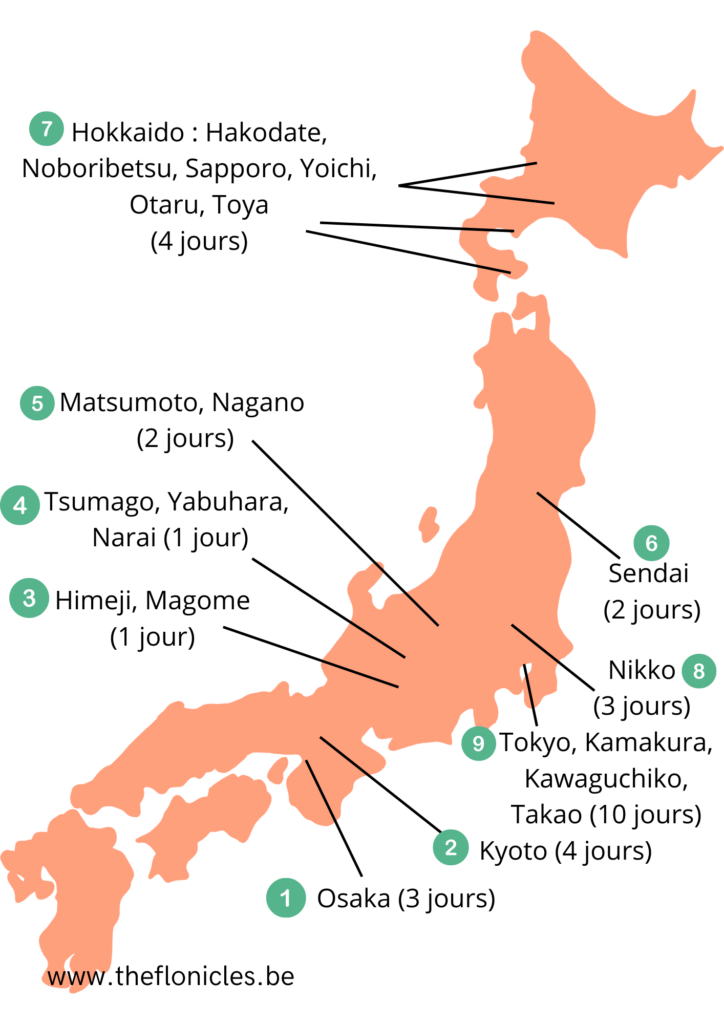
Here’s the itinerary we did during our 1-month travel through Japan in the spring in 2023. We only traveled with public transportation, mainly by train. We did not rent a car or take domestic flights.
This was our very first travel to Japan, but we didn’t want to stick to big cities and usual travel itineraries. We like nature and are not big on crowded places, so mixing countryside and lesser known areas with big cities like Tokyo and Kyoto felt like a good compromise.
Also, as we didn’t know if and when we’d go back to Japan in the future, we decided to see as much as possible during our stay. We certainly didn’t see it all, but we set foot in various areas, countryside villages, mountains, beaches and cities, from Osaka up to Sapporo (about 1500 kilometers).
Contents
Our one-month Japanese itinerary by train
Osaka
We started our trip in Osaka, where we landed, instead of Tokyo. Osaka is quite well-known but felt less touristy than Tokyo or Kyoto (as long as you don’t just visit the famous Dotonbori). It never felt crowded while we were staying there. On the other hand, spots of interest are quite “far” from each other and it takes more steps to visit the center. We spent 3 days in Osaka.
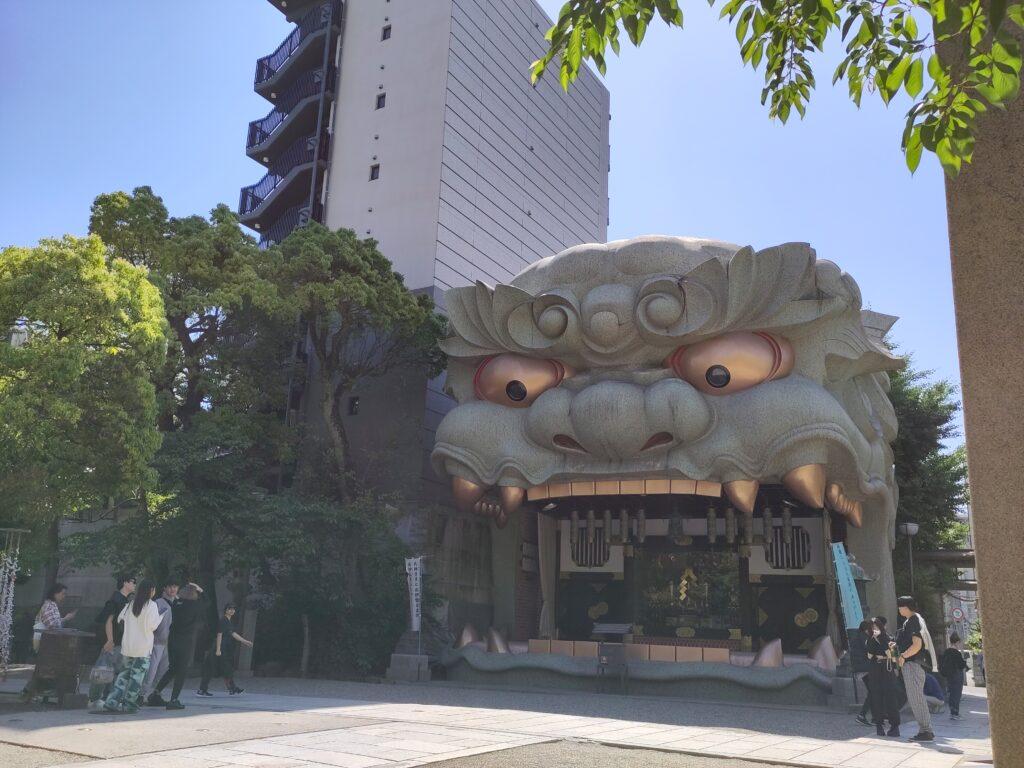
This is clearly not the most “Off-the-beaten-track” destination, and I would not go back next time as there was little to see (I’m just happy I got to see Namba Yasaka shrine, which is one of a kind). However, it’s a great city for foodies (I’m not talking about Dotonbori, instead I encourage you to stroll in less touristy areas for great local food at low cost).
A few places to visit:
- Namba Yasaka Shrine, a Chinese lion head shrine.
- The Osaka castle.
- Nara (this trip can be done from Kyoto as well).
For more on Osaka, here what we did during 3 days in Osaka, and the Osaka official tourism website.
Kyoto
Kyoto is not an “off-the-beaten-track” destination in itself, as it’s probably even more touristy than Tokyo (at least, that’s how it felt), but the city offers a lot of opportunities and there’s way more to see than the usual top-10 recommendations.
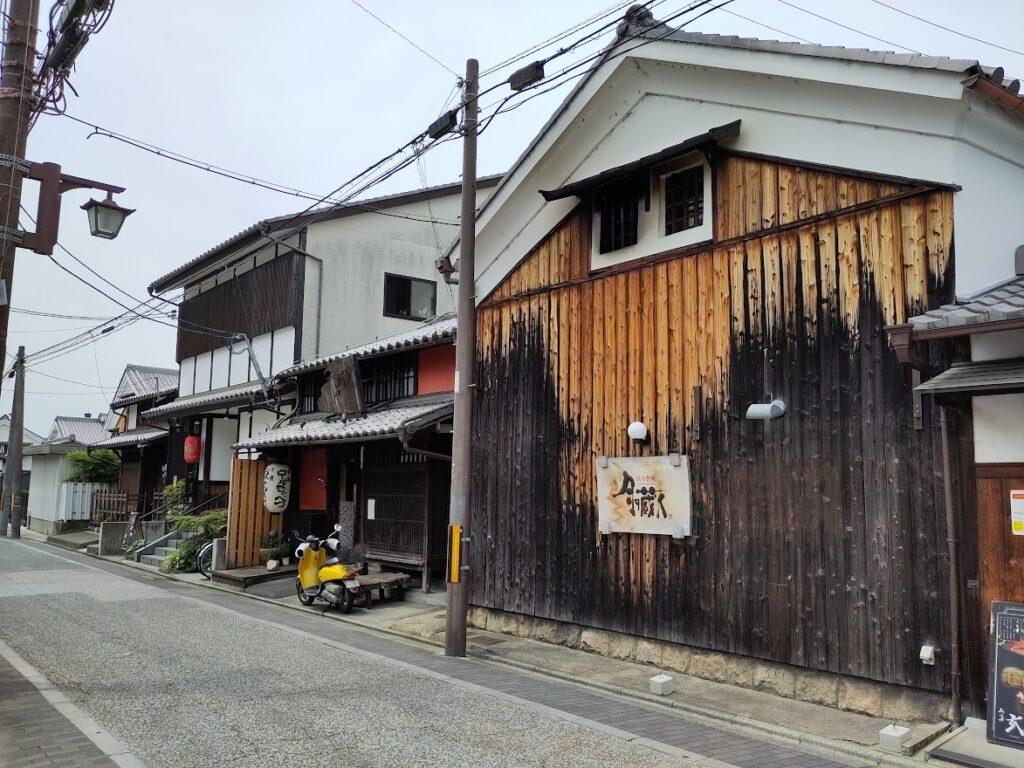
As for areas in Kyoto that are not overcrowded and are often overlooked, I can for example advice the Fushimi saké district, or the Uji area (famous tea city) and the Byodo-in temple.
Also, regarding the Fushimi Inari shrine, it’s good to know that most visitors don’t make it further than the first range of torii’s, so allow it more time to climb to the mount top, stroll in parallel alleys… or visit during the night, as we did!
Check our 4 days in Kyoto, mixing famous spots and lesser known locations, or visit the Kyoto portal on the official website of Japan travel
Himeji
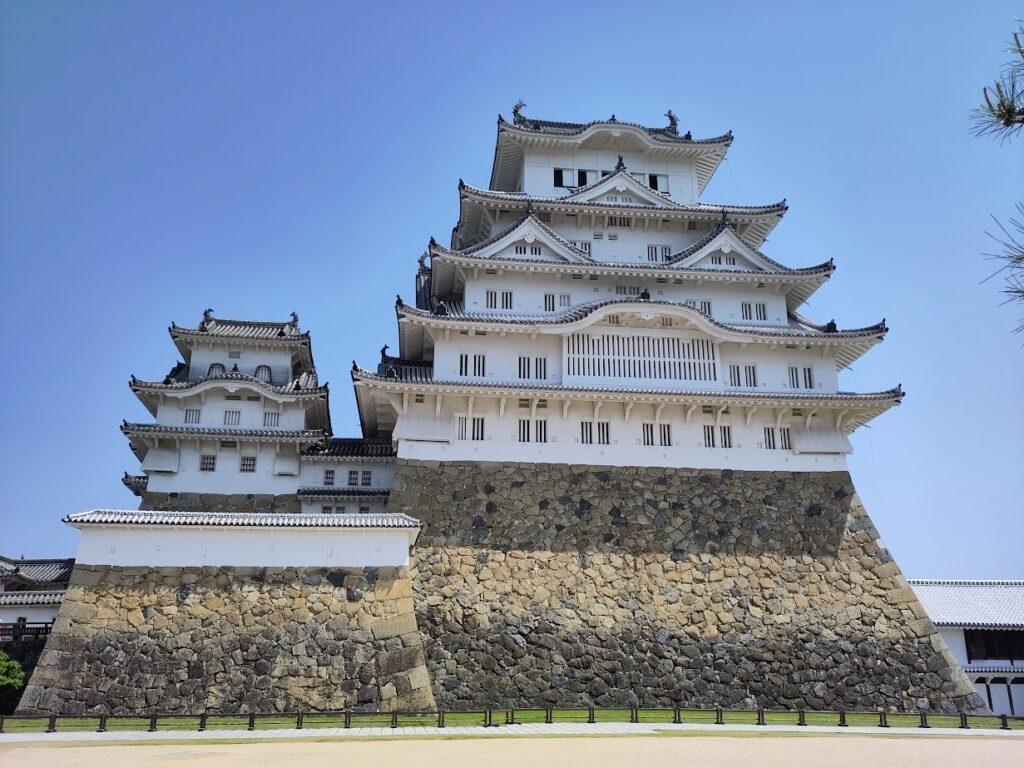
The Himeji castle, also known as the “white heron castle”, is registered as a UNESCO cultural world heritage site. It’s part of the “original 12 castles” of Japan and the most preserved of all.
It’s a bit more than three hours from Tokyo with the Shinkansen, so although it’s quite famous (it’s pictured in many movies, anime, and whatnot), we were almost alone on the castle grounds when visiting! From Kyoto, it takes 50 minutes with the Shinkansen, and just 30 minutes from Osaka.
Nakasendo trail from Magome to Tsumago, and from Yabuhara to Narai-juku
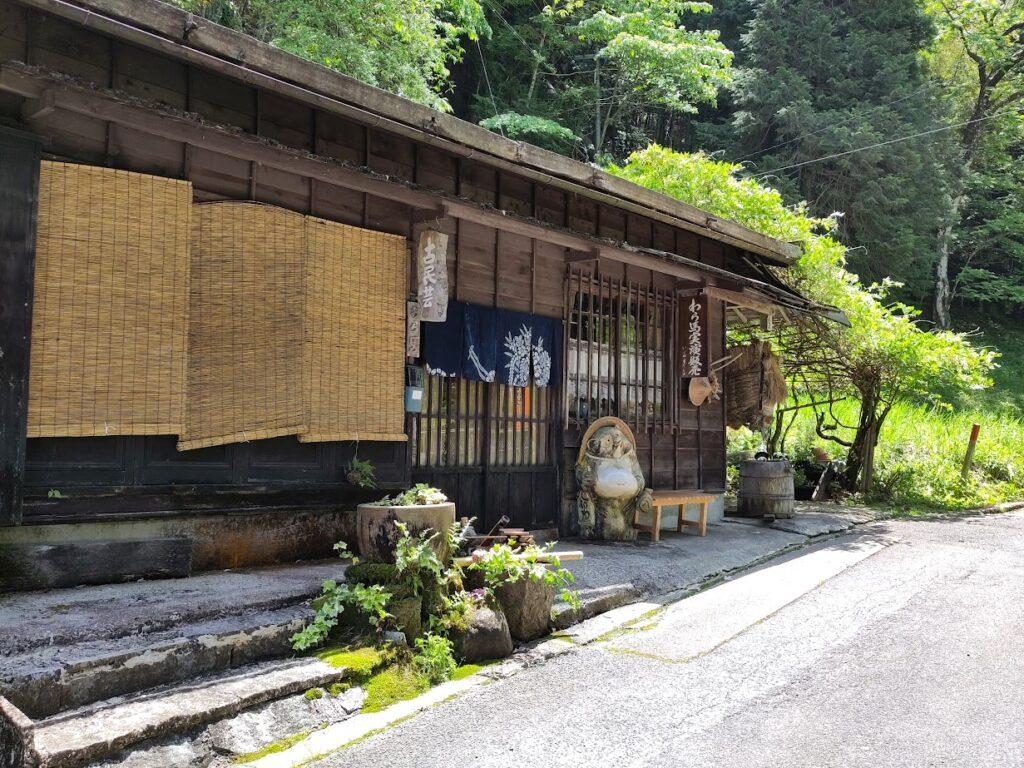
Although this hike was featured in blog posts and social media publications, it’s still very calm. The village of Magome is really cute, a lovely escape in the countryside, between rice fields and mountains. After reaching Tsumago, we took the train to Yabuhara to hike to Narai, another lovely town.
All in all, I must admit the trail disappointed me a bit because a lot of it was boarding asphalt roads (which is never shown in blog articles or social media posts…), but it was still a nice, quiet parenthesis and the villages along the trail were really cute.
Matsumoto
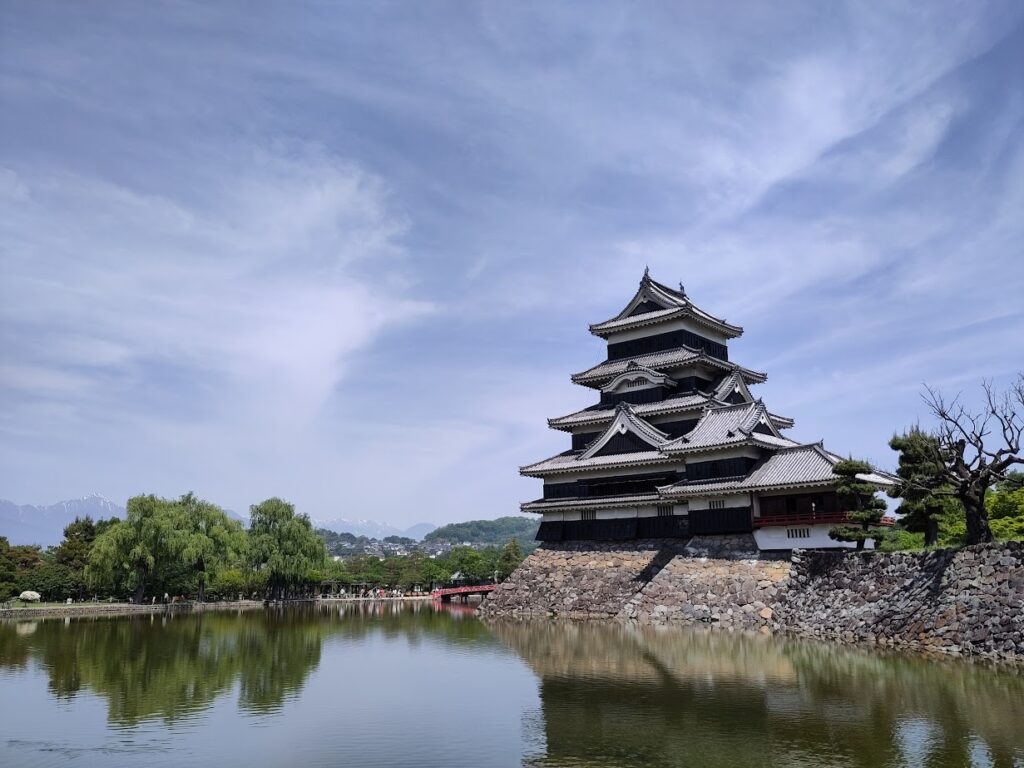
Matsumoto castle is also one of the 12 castles, and I personally loved it even more than Himeji because it’s surrounded by water. It’s about 2.5 hours from Tokyo, or 3 hours from Osaka or Kyoto, by train.
For more information:
- Our experience from Himeji to the Nakasendo trail and Matsumoto
- Official tourist information about Matsumoto area – some more here
- Official tourist information about Himeji
- Official tourist information about the Nakasendo trail
Nagano
Nagano and the Japanese alps are of course a go-to location for skiing. It hosted the Winter Olympics in 1998. But it’s also an amazing region for nature, although Nagano itself is a big city.
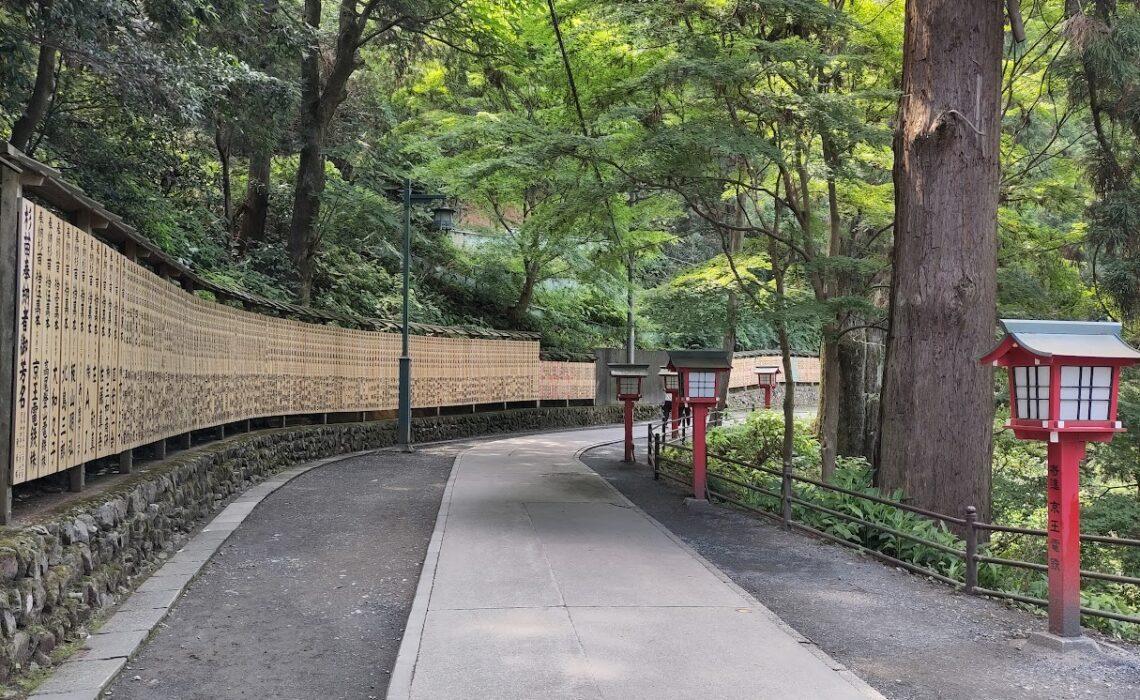
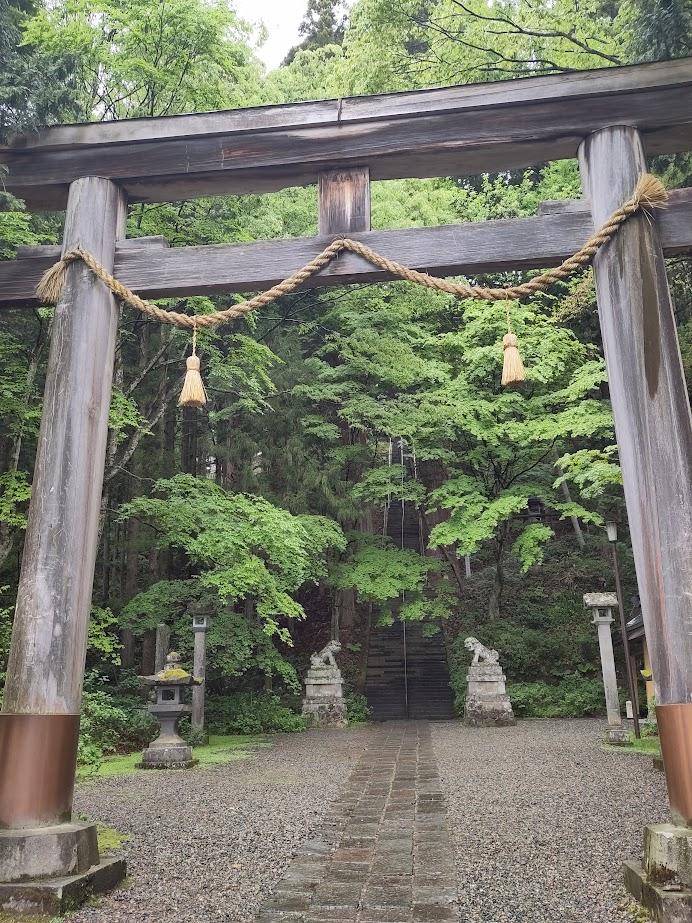
One highlight of Nagano is the 5 temples hike of Togakushi. The temples can be visited by walking from one to another, but you can also ride the bus in between destinations. It takes about one hour by bus, from the station, to reach the farthest one, Okusha. After getting off the bus, you’ll need to walk on a calm path surrounded by cypress trees. The closest to the city center is Hokosha, which you’ll enjoy after climbing 290 steps.
Nagano wasn’t touristy at all when we visited, especially the 5 temples.
To prepare your trip to Nagano, check out:
Sendai
Sendai is a big city but it’s another one that’s overlooked by tourists. In one day, you can visit its temples and mausoleums (and other points of interest) thanks to the loop bus.
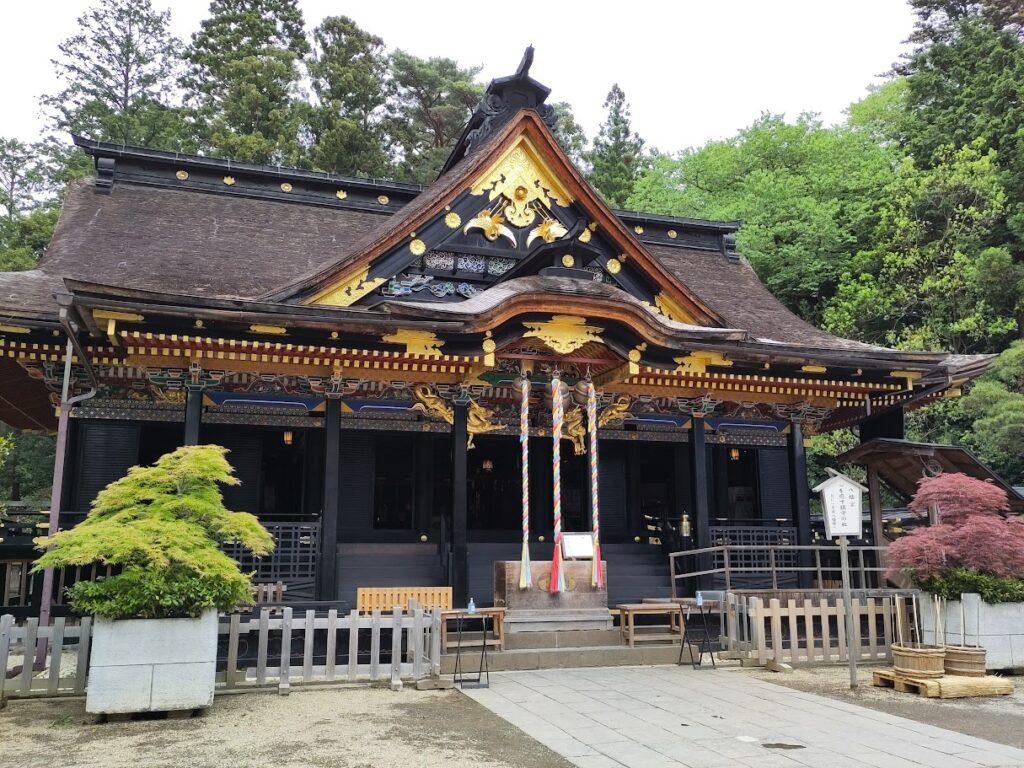
The mausoleum and Osaki Hachimangu temple are worth seeing, as their colorful and fastuous aspects make them different from most temples you’ll see in Japan.
Staying in Sendai, we also visited the Nikka Miyagikyo whiskey distillery, another type of attraction that is mostly visited by Japanese people.
Discover Sendai:
Hokkaido
Hokkaido is the northernmost main island of Japan, and the second biggest one after Honshu (central Japan), and that’s also a whole prefecture in itself. It has ski resorts, onsens, nature, cities, sea fronts, lakes… and amazing seafood.
Sapporo, the main city, is the fifth most populated city in Japan (more than 1 959 000 people in 2023), and it has everything for day or night entertainment. On the other hand, the surface of the island is mostly covered by natural protected area, where you can hike and enjoy many different kind of landscapes. Hokkaido has something for everyone!
A few of the attractions that are easy to reach by train and public transportation:
- Noboribetsu and Jigokudani, also known as “Hell Valley”: sulfur naturally occurring in the ground is creating clouds of steam above the orangey valleys. There are also natural onsens when you can relax your feet, and many hike starting points.
- Hokkaido historic village, a reproduction of a late 1800s/early 1900s local village.
- Yoichi and the Nikka whiskey distillery (both distillery visit and a museum are available).
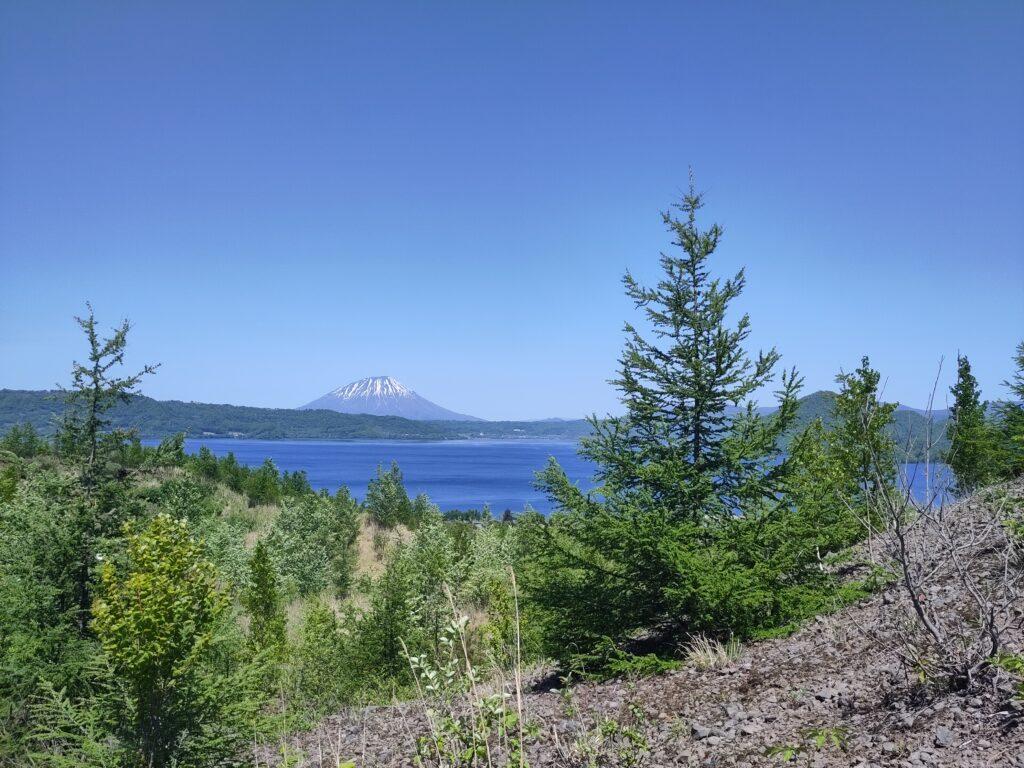
- Toya, a lovely town with a huge lake. You can enjoy the lake front, or take a hike that takes you through an abandoned town hit by a volcanic eruption.
As Hokkaido is still very wild, it can be worth renting a car if you’d like to push even further.
Nikko
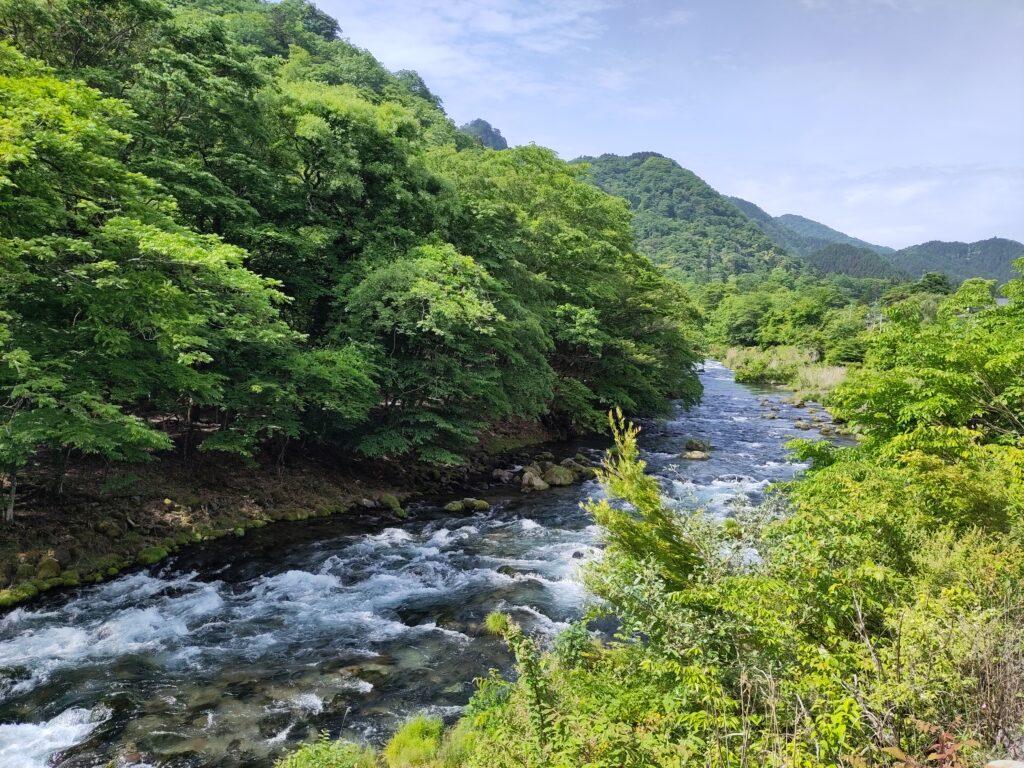
Nikko is easy to reach from Tokyo and can be done as a one-day trip, so it’s a bit more touristy than other places I’m talking about here. However, as soon as you leave the main street, you’ll find places that are worth a visit but that most people miss. Our recommendations are Kanmangafuchi Abyss and the Tamozawa imperial villa.
Although there were some tourists, it didn’t feel overcrowded and it’s still a beautiful destination, way quieter and greener than big cities, so we enjoyed it.
Tokyo
Tokyo has a lot to offer and there are many areas that are overlooked by tourists. Here are a few suggestions:
- the fish market at Toyosu (1)
- the national museum of emerging science and innovation Miraikan (1)
- Jinbocho, a book and antiques neighbourhood (1)
- Kappabashi in Asakusa (1)
- the Imperial Palace (1)
- Ikebukuro for everything otaku (instead of Akihabara) (2)
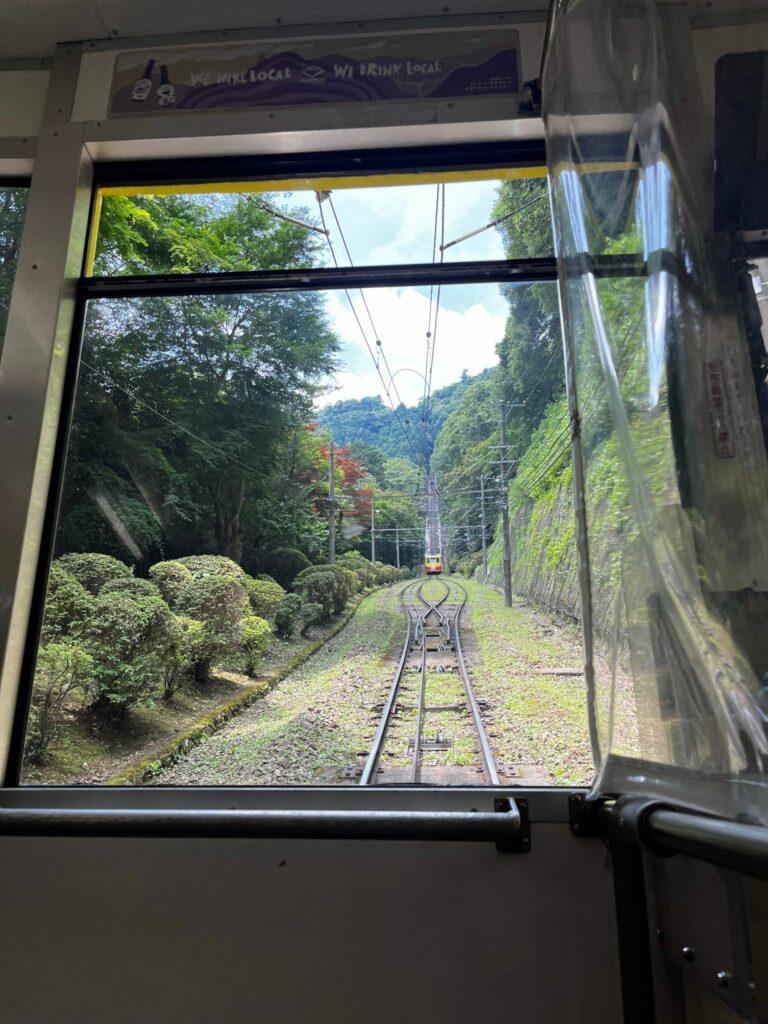
Tokyo is a good starting point for some day trips, like the well-known Kamakura or Kawaguchiko, but also the less touristy Mount Takao (3)

To dive deeper:
- Tokyo to the East: Akihabara, Toyosu, Odaiba, Ueno, Ginza, Asakusa, Skytree… (1)
- Tokyo to the West: Ikebukuro, Shinjuku, Shibuya, Gotokuji (2)
- Our Tokyo day-trips (3)
- GoTokyo official tourism in Tokyo
Stay tuned for more Japan travel blogs, subscribe to the newsletter to receive new posts about Japan in the autumn, coming soon!