Dernière mise à jour le 3 August 2026
Recently, it felt to me like Kyoto was way more crowded with tourists than Tokyo. It’s difficult to find quieter spots when visiting the former Japanese capital city. However, there are a few places to visit and activities to perform that allow you to enjoy the less touristy side à Kyoto. Here are a few recommendations.
Contents
Learning about Japanese and Kyoto craftsmanship
Here are three places to discover and learn about local craftmanship and handicraft. The nice thing is you can visit all three on the same day.
Kyoto Museum of Crafts and Design
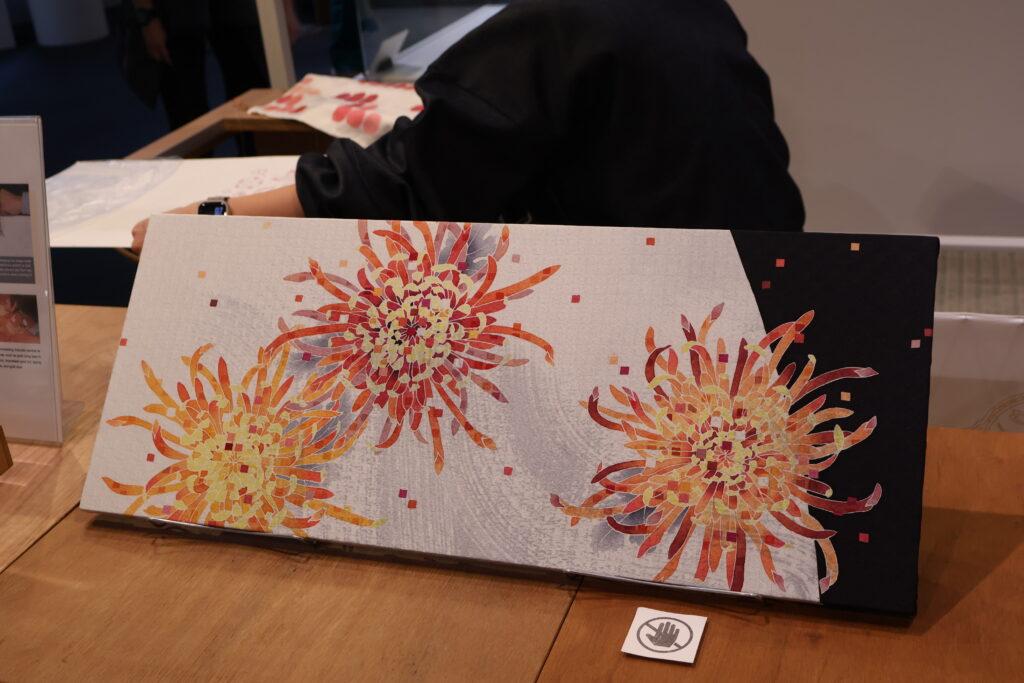
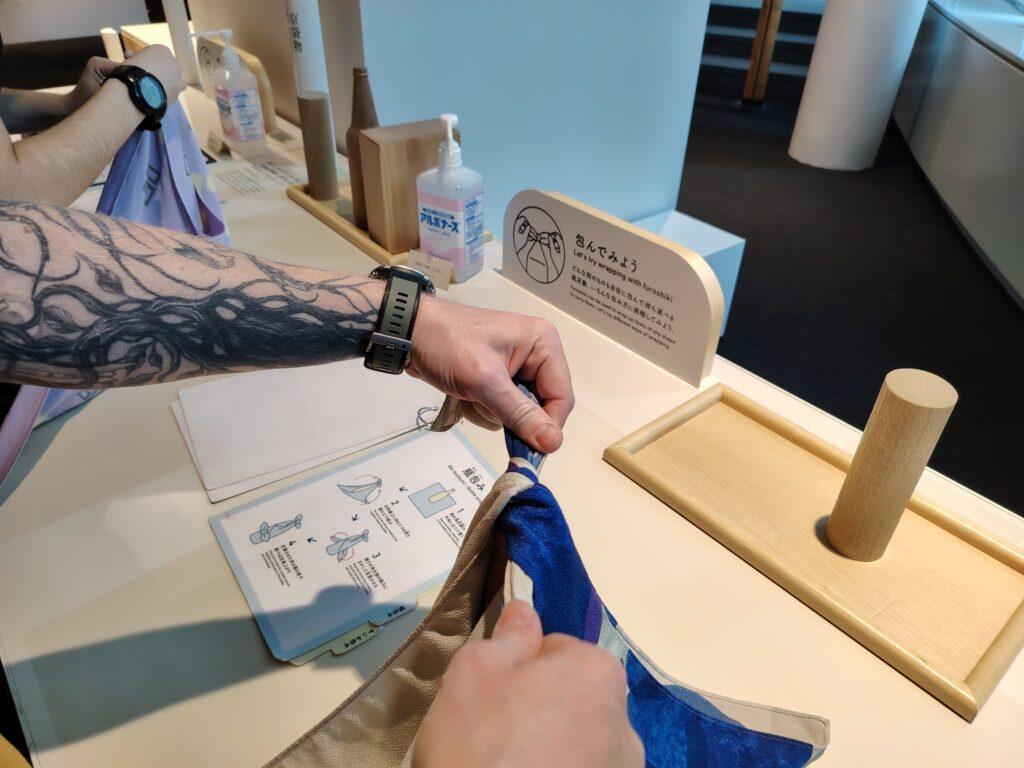
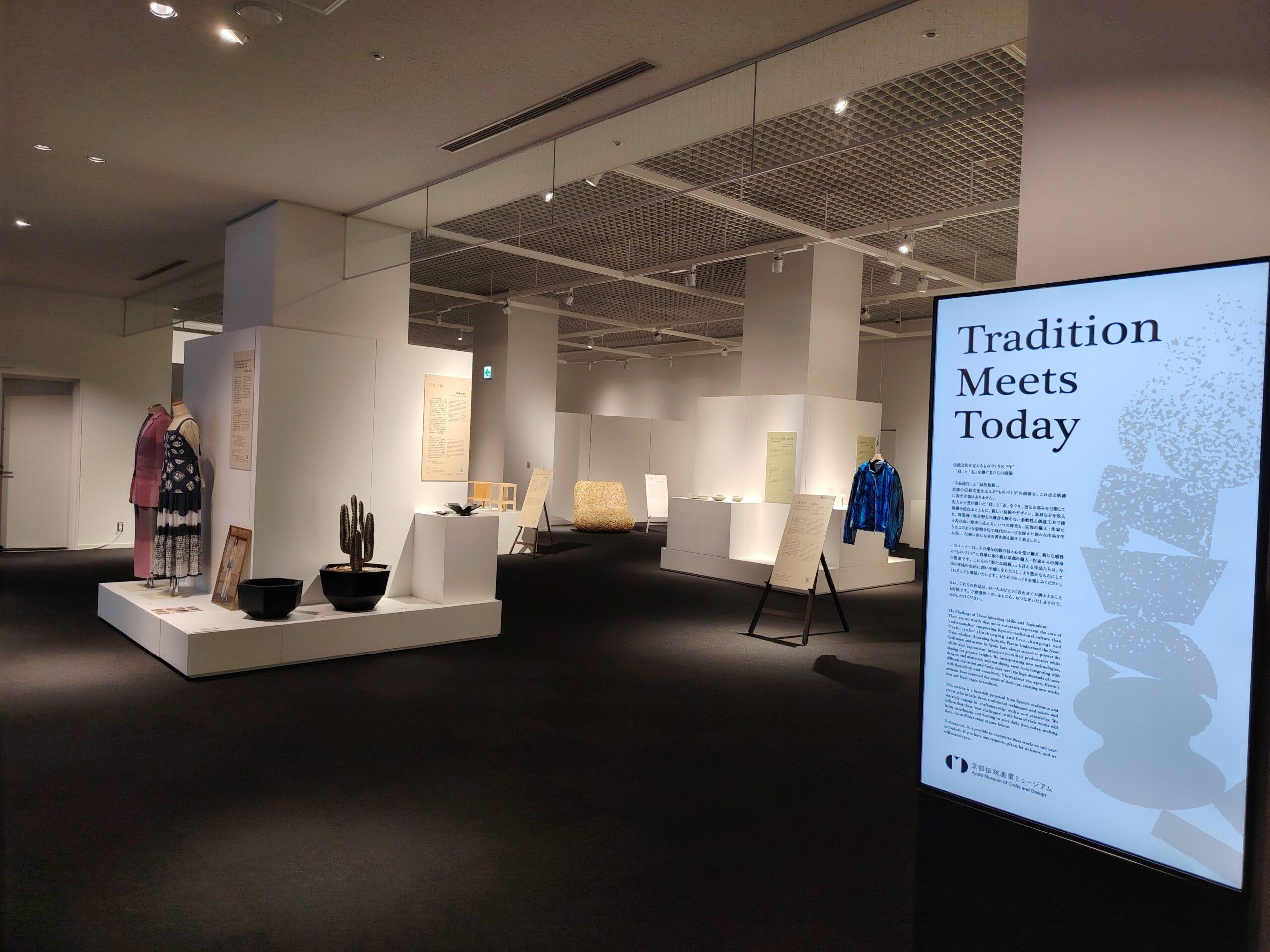
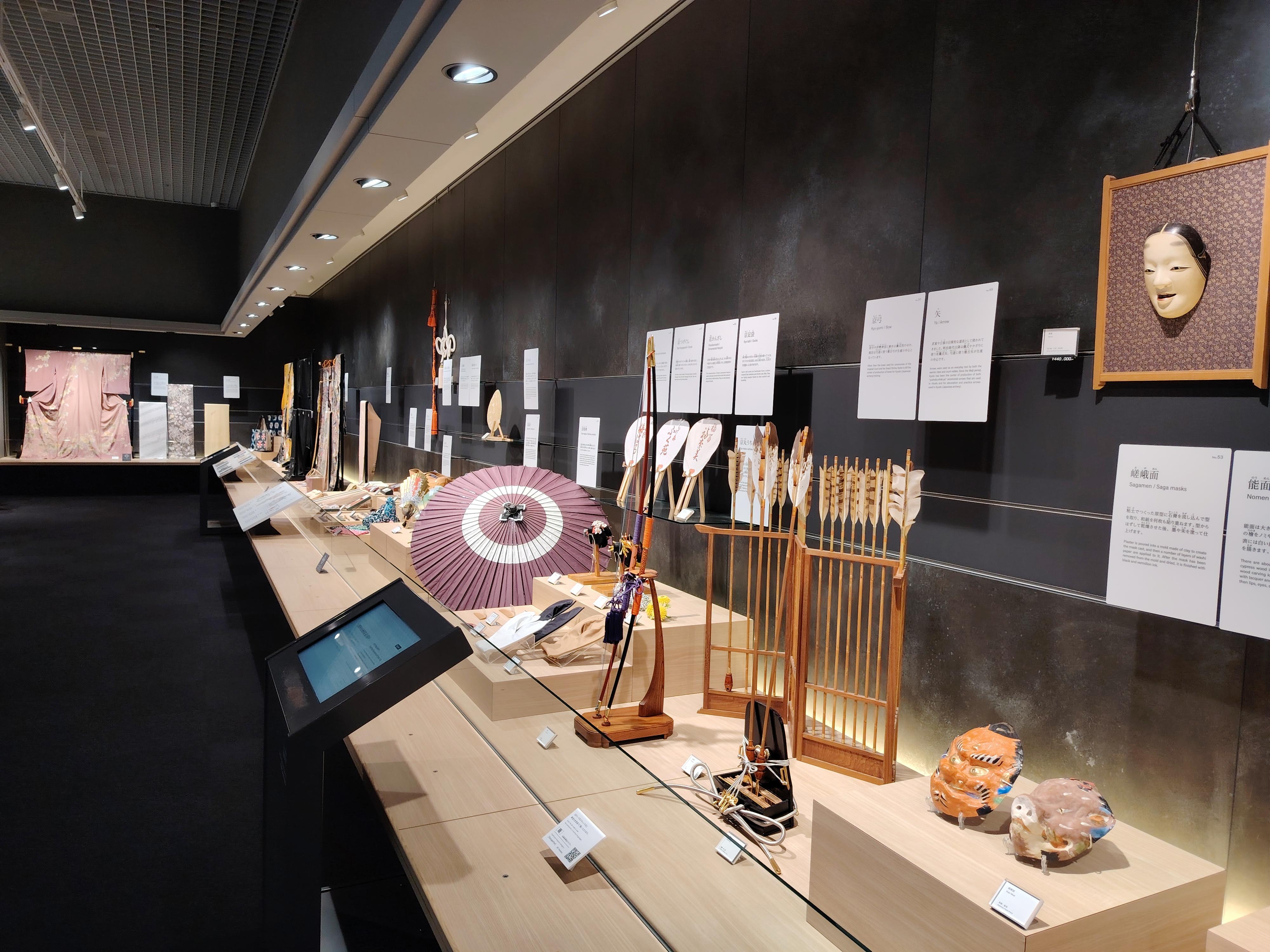
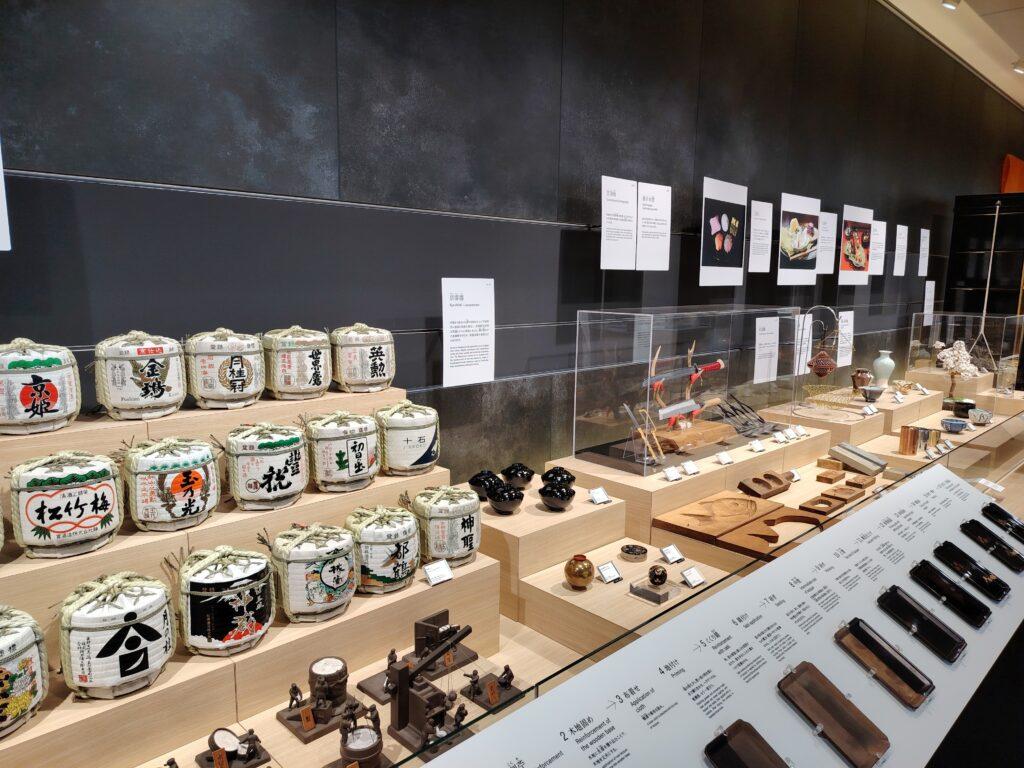
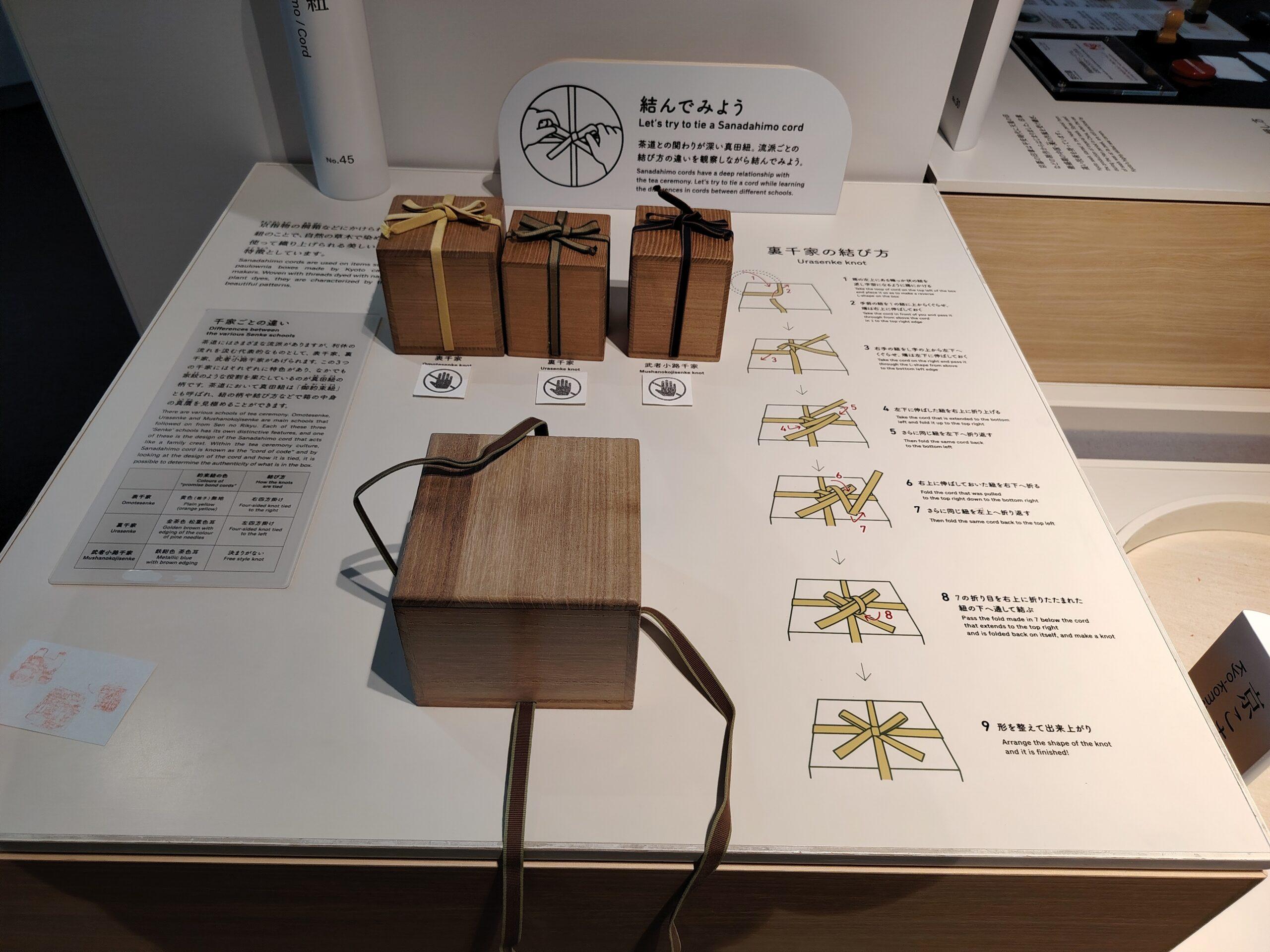
An exhibition of 74 kinds of craftmanship from Kyoto, where you can not only see craft creations, but also have a go at some of them at DIY stations. There are live demonstrations as well as workshops. You can learn more about some specific crafts thanks to video displays. In addition to the permanent exhibit, they have a temporary exhibit (without additional fee). When we visited, it was about how traditional craft and modern design meet.
I really recommend you allow this place enough time to visit, as we had to wrap it up before we could enjoy it totally due to a packed schedule, and I was sad to leave. I think you should allow at least one hour and a half.
- Kyoto Museum of Crafts and Design (in English) – you’ll find the live demo and workshops agenda, other events, temporary exhibition information, as well as information on the permanent exhibit
- Address: B1F Miyakomesse, 9-1 Okazaki Seishoji-cho, Sakyo-ku, Kyoto, Japan 606-8343
- Opening times: 10:00 – 18:00 (always check the websites and social media for exceptional closings)
- Price in 2026: 500 yen
Where to eat next to Kyoto Museum of Crafts and Design
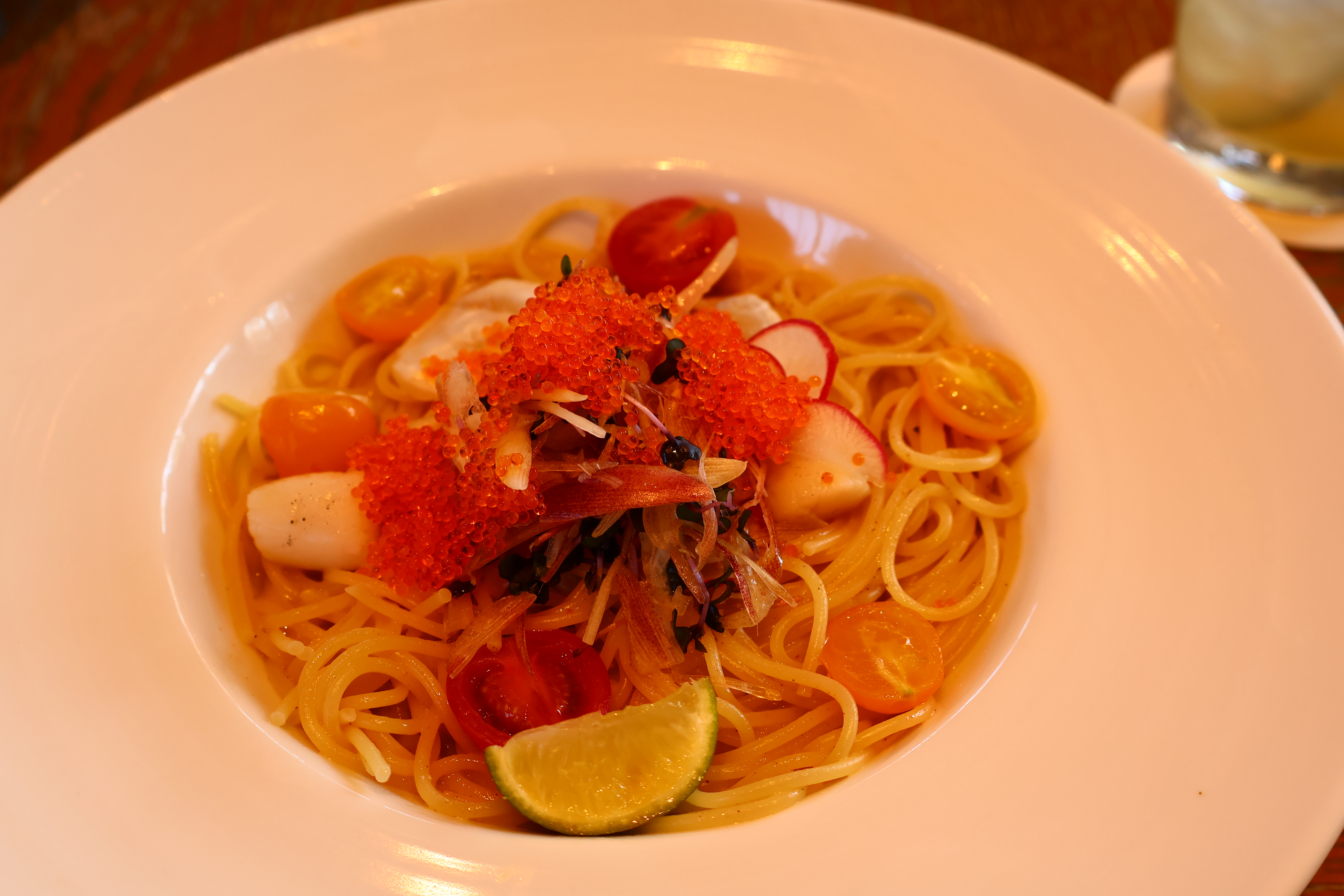
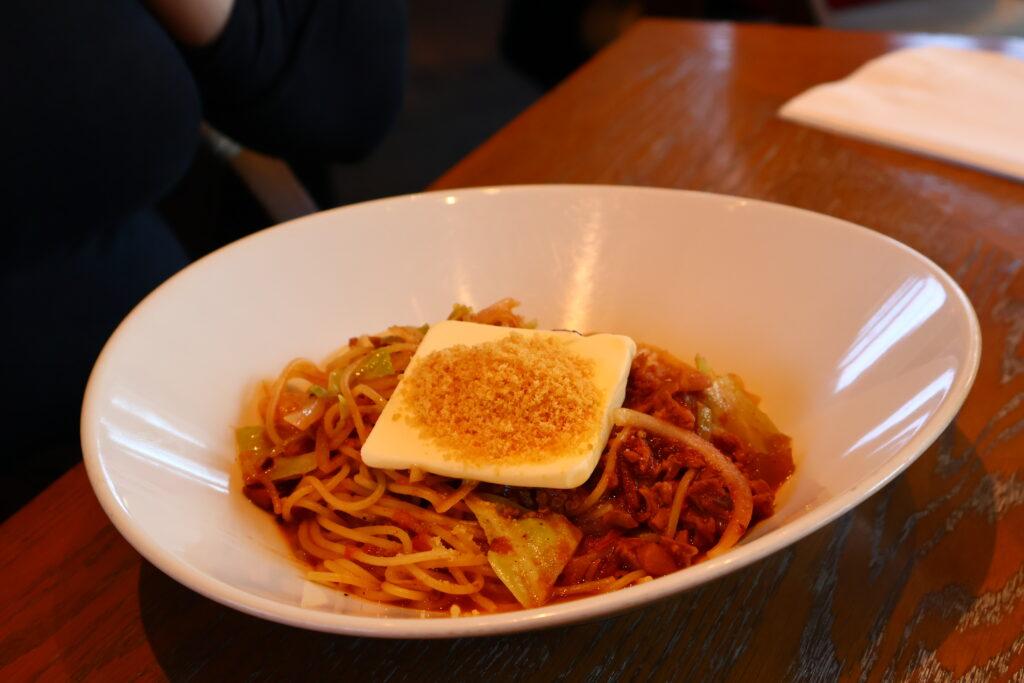
Be aware there aren’t many places to eat nearby. We had food at Kyoto Modern terrace, just across the street. It’s a kind of Western-Japanese fusion restaurant and we had a really good meal. However, it’s really the only place we found for lunch, so make sure to check the menu before you go or plan your lunch before visiting the museum.
- Menu Kyoto Modern terrace
- Address: 2F Park Plaza, Rohm Theater Kyoto, 13, Saishoujichou, Sakyouku, Kyoto (in the Rohm theatre building)
Kyoto Handicraft center
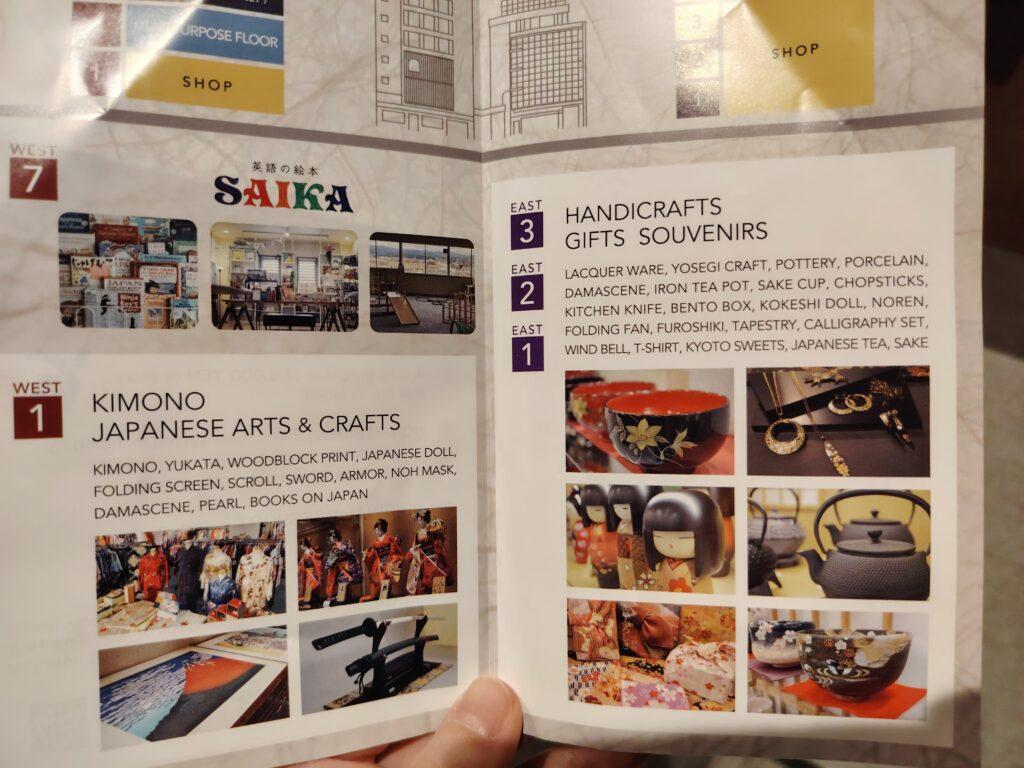
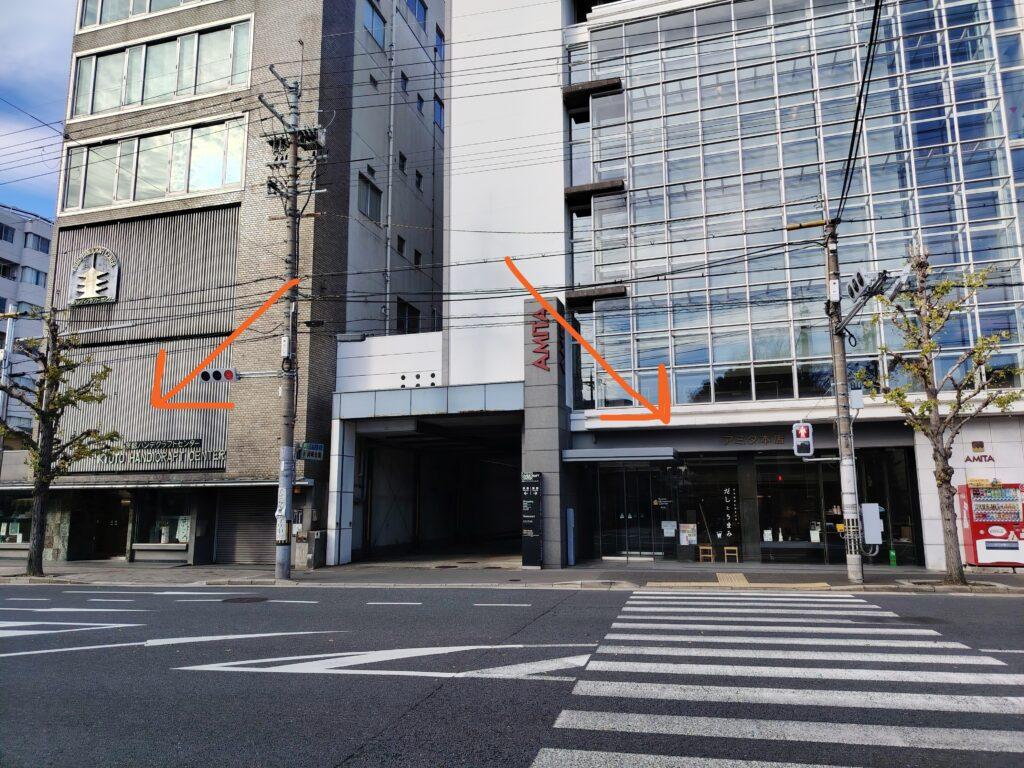
Less than ten minutes walking from the museum, the Kyoto Handicraft center allows you to buy local and craft products. There are two buildings side-to-side but with separated entrance. They’ll give you a floor map of the shops upon arrival (see picture) so you know which one are worth your time.
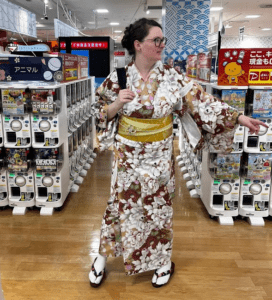
There are high end products as well as really affordable ones, and the selection includes kimono and other Japanese accessories and clothes, lacquerware, earthenware, stationery, katana, food…
They also have a lot of books, bilingual ones to learn about Japan while improving Japanese, or books about Japan in different languages.
- Kyoto Handicraft center (in English)
- Address: 17 Shougoin Entomi-cho, Sakyo-ku, Kyoto 606-8323, Japan
- Opening times: 10:00 – 19:00 from March to December, 11:00 – 18:00 in January and February (always check exceptional closing days on the website or social media)
- Free entrance
Kyoto international manga museum
This museum has an amazing collection of manga from the last decades up to nowadays, mostly in Japanese but they also have a few shelves with translated ones.
There’s a permanent exhibition on the story of manga and the big stages of its evolution, and temporary exhibitions on a particular topic or trendy manga.
A few paid workshops allow to learn techniques related to manga (booking required). Some mangaka are also present to draw your portrait in their style (paid), however you’ve got to be there early because it’s same-day booking and the slots are limited.
I personally thought this museum is quite expensive for what it offers. Unless you can go early and get a drawing from a mangaka, I don’t think there’s much worth doing. The permanent exhibition is very small. The only interest in my opinion is for people who want to read manga and go there early to spend their day reading (but as I said, the majority of the collection is in Japanese). I have a much better recommendation for manga lovers in Tokyo, which I’ll share in a future post, so make sure to subscribe to the newsletter so you don’t miss it!
- Kyoto international manga museum (in English) – you’ll find information on the events, manga artists planning, information on workshops…
- Address: Karasuma-Oike, Nakagyo-ku, Kyoto 604-0846 Japan
- Opening times: 10:00 – 17:00 (always check the website or social media for exceptional closing days)
- Price in 2026 : 1 200 yen for adults, 400 yen (13-18 yo) or 200 yen (6-12 yo). There’s a rebate for Kyoto city subway holders.
Drinking craft beer with the locals
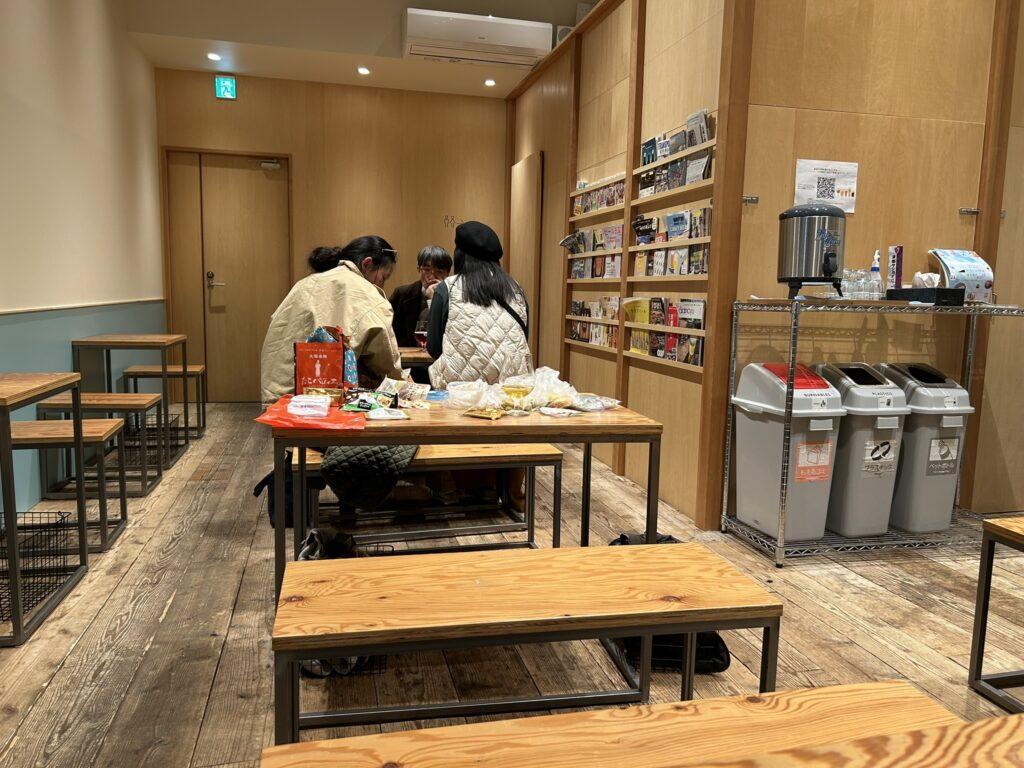
Kyoto Brewing Co. is one of the trending craft breweries in Japan currently. You can visit their taproom on Friday nights and weekends and have a beer together with locals celebrating the end of the working week. Nice to know: they do sell a few snacks on-site, but you are welcome to bring your own food and enjoy it with their beers. Some days, they also have foodtrucks next to their facilities.
You can drink at the counter or sit at a table on first floor. When the weather is good, there is also outside seating. A lot of beers are available in cans, to drink on-site or take away, and they have a selection of beers on tap.
- Kyoto Brewing Co. – taproom (in English)
- Address : 25-1 Nishikujyo, Takahatacho, Minami-ku, Kyoto 601-8446
- Opening times: Friday 17:00 – 21:00, Saturday and Sunday 12:00 – 18:00 (last order 30 minutes before closing), always check their social media for information on exceptional closing days.
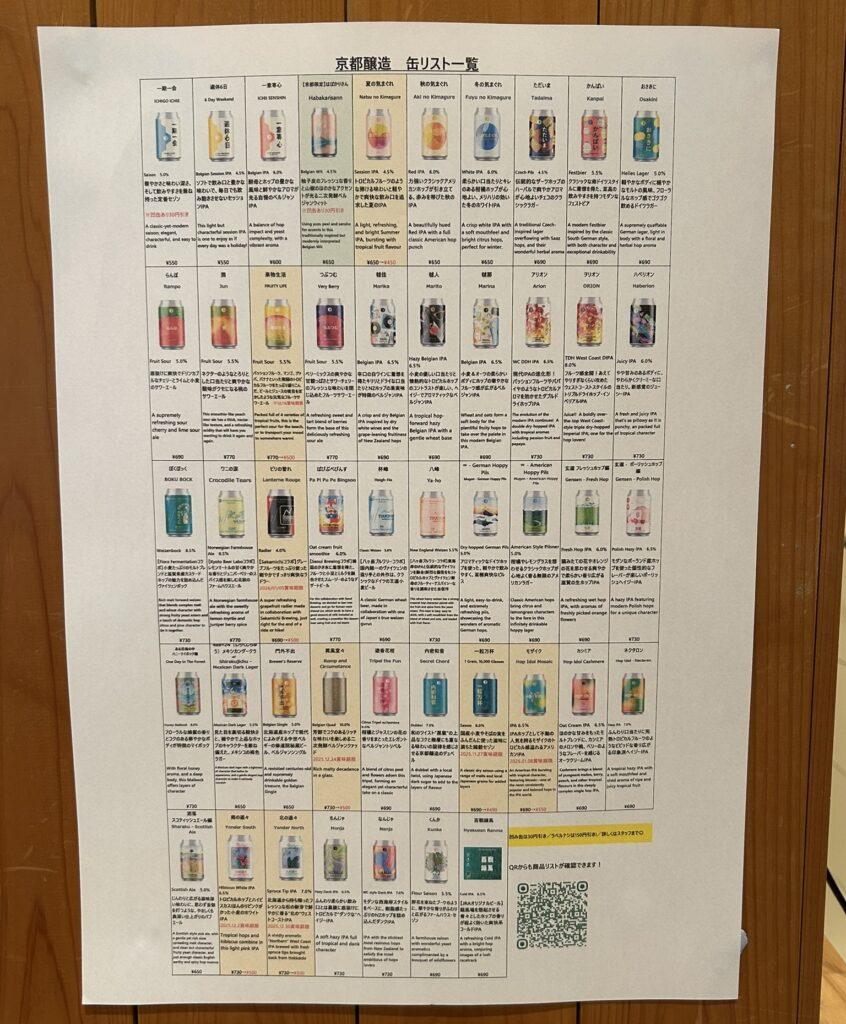
Their labels are so nice I reused some of them for one of my low consumption souvenirs from this trip in Japan.
I discovered this brewery in the craft beer related manga “Amber days and golden nights”, which is part of my safe and inclusive manga list.
The philosophers’ path and nearby temples
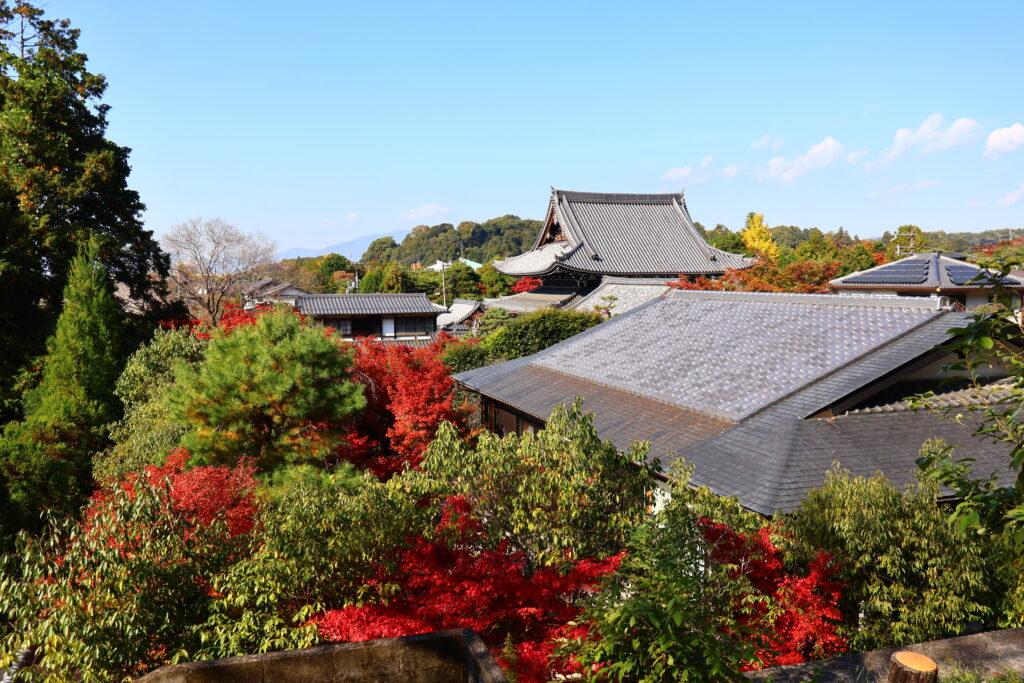
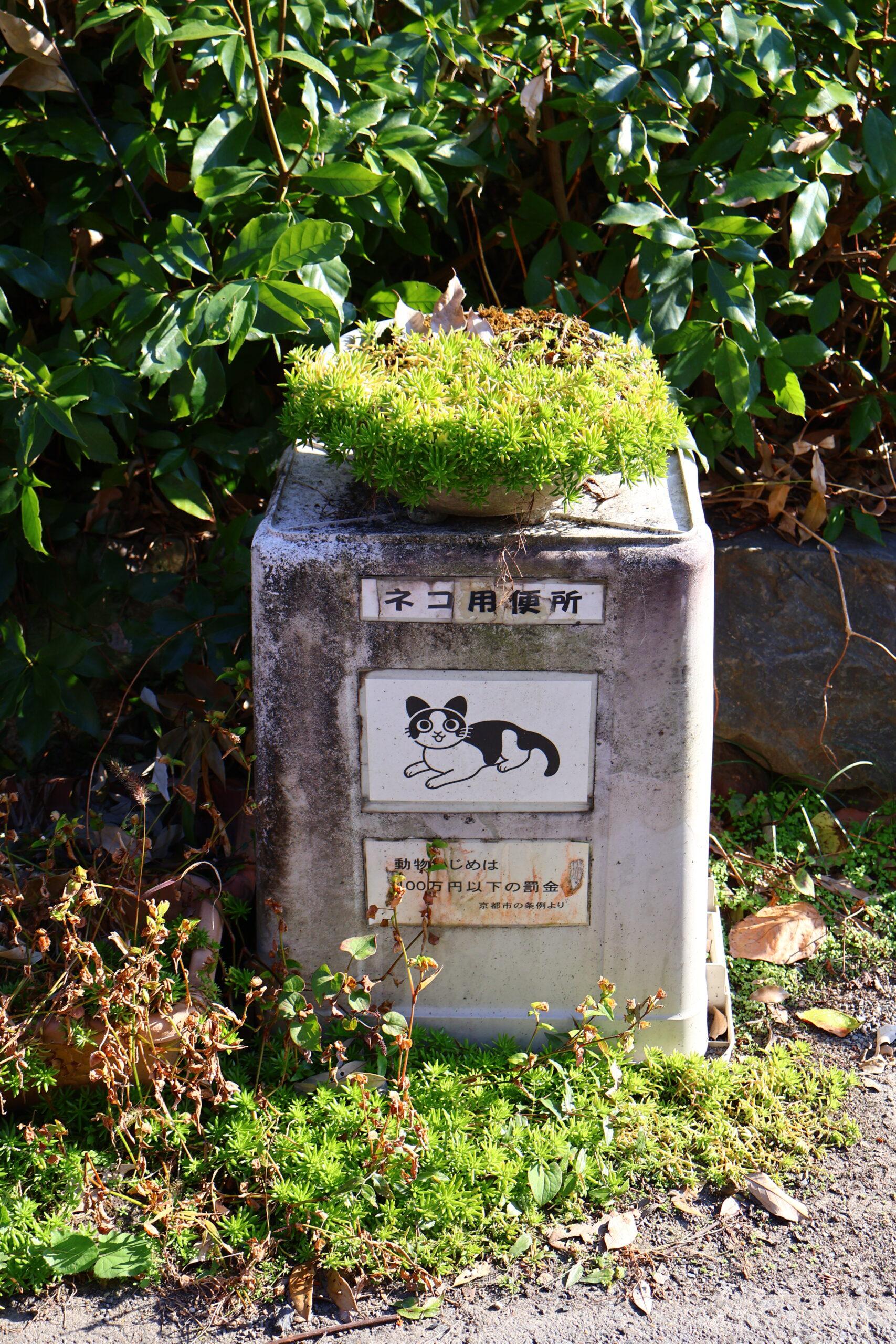
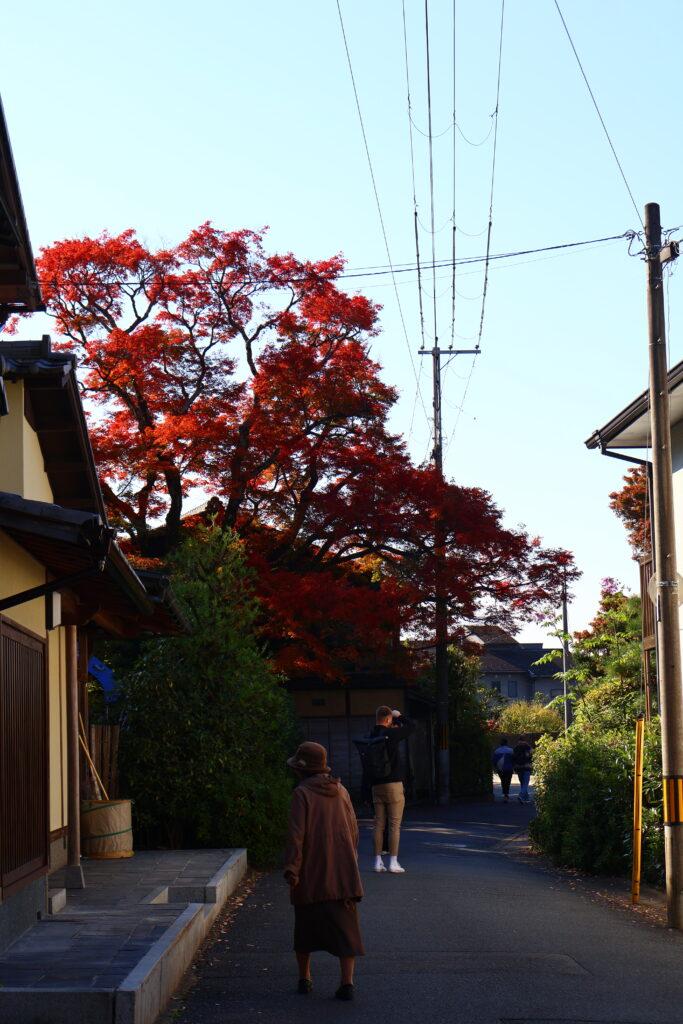
Someone recommended this place because it was supposed to be quiet and more relaxing, less touristy than big spots in Kyoto. To be honest, we were there in the autumn 2025 and there were tourists although the pilosophers’ path is really worth seeing during cherry blossom. Said path is really narrow, which makes it feel cluttered with very few people on it.
It about three kilometers long, which means it’s a really short walk, but the reason it’s worth mentioning is because you can reach several temples a few meters away from the path. Here are the ones we visited.
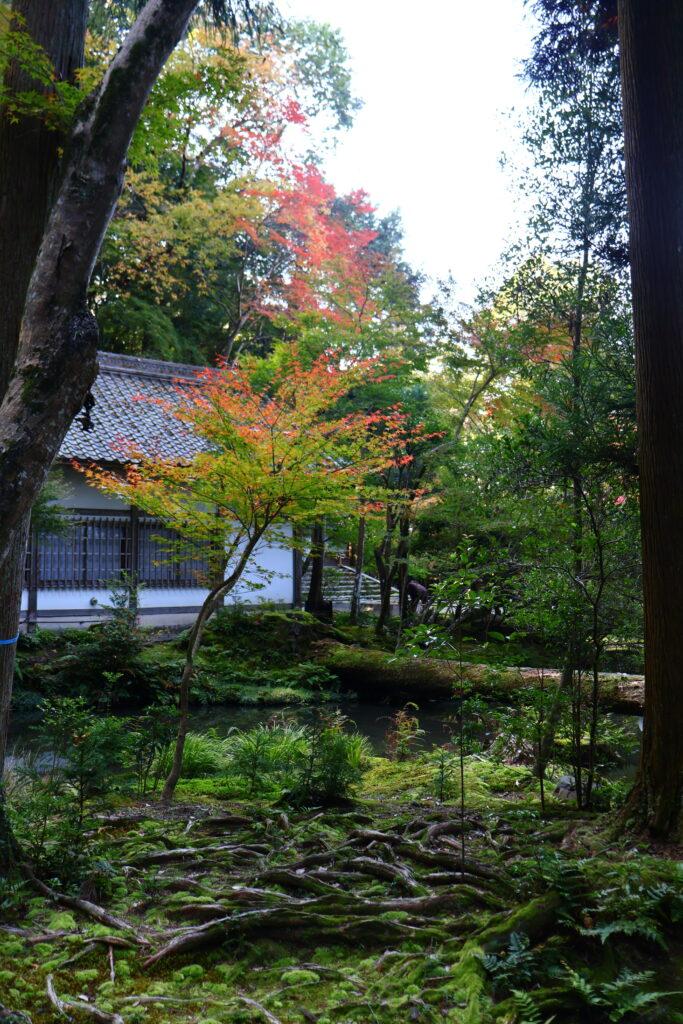
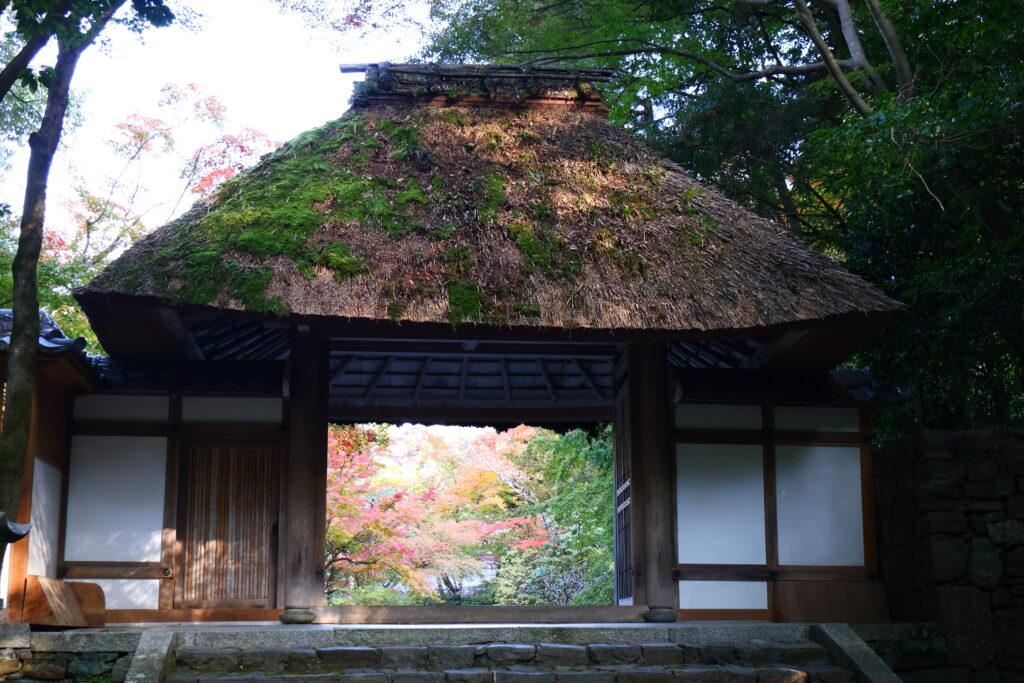
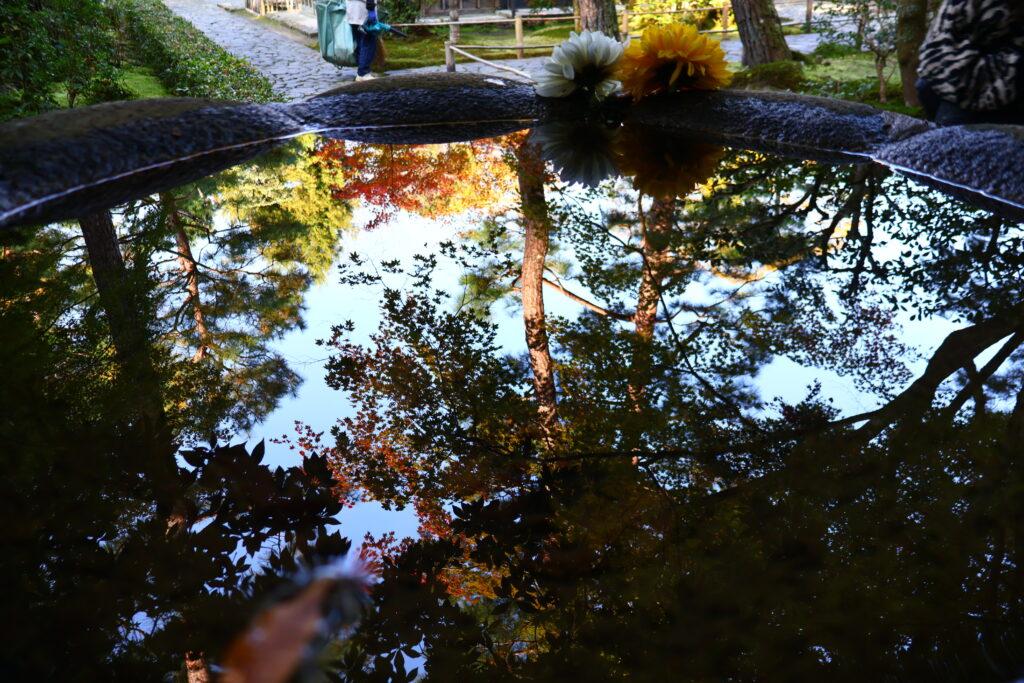
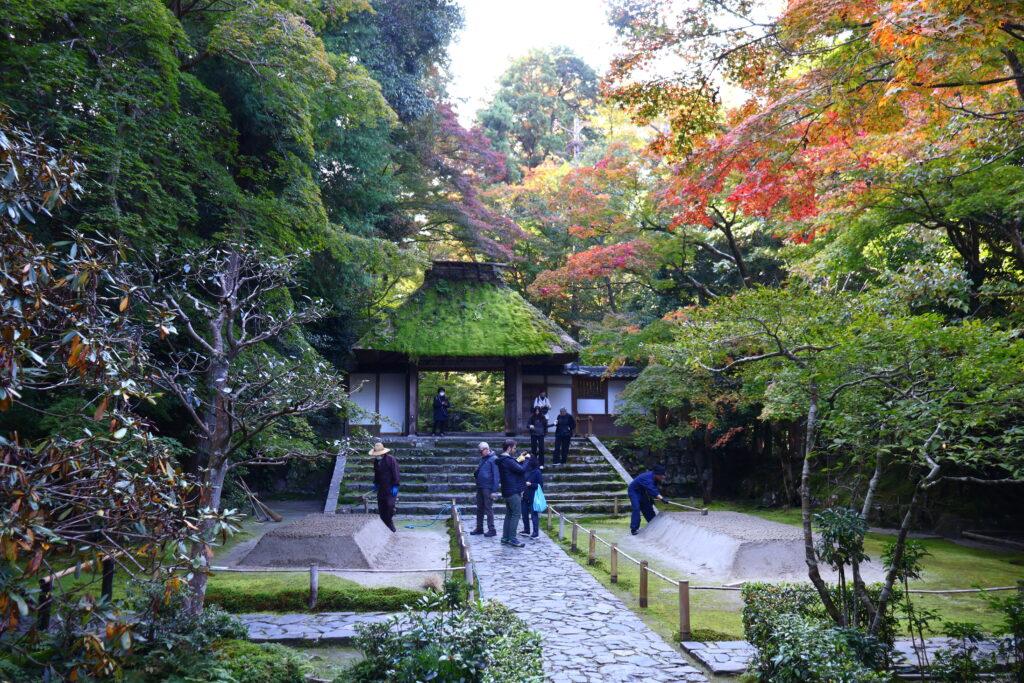
Honen-in
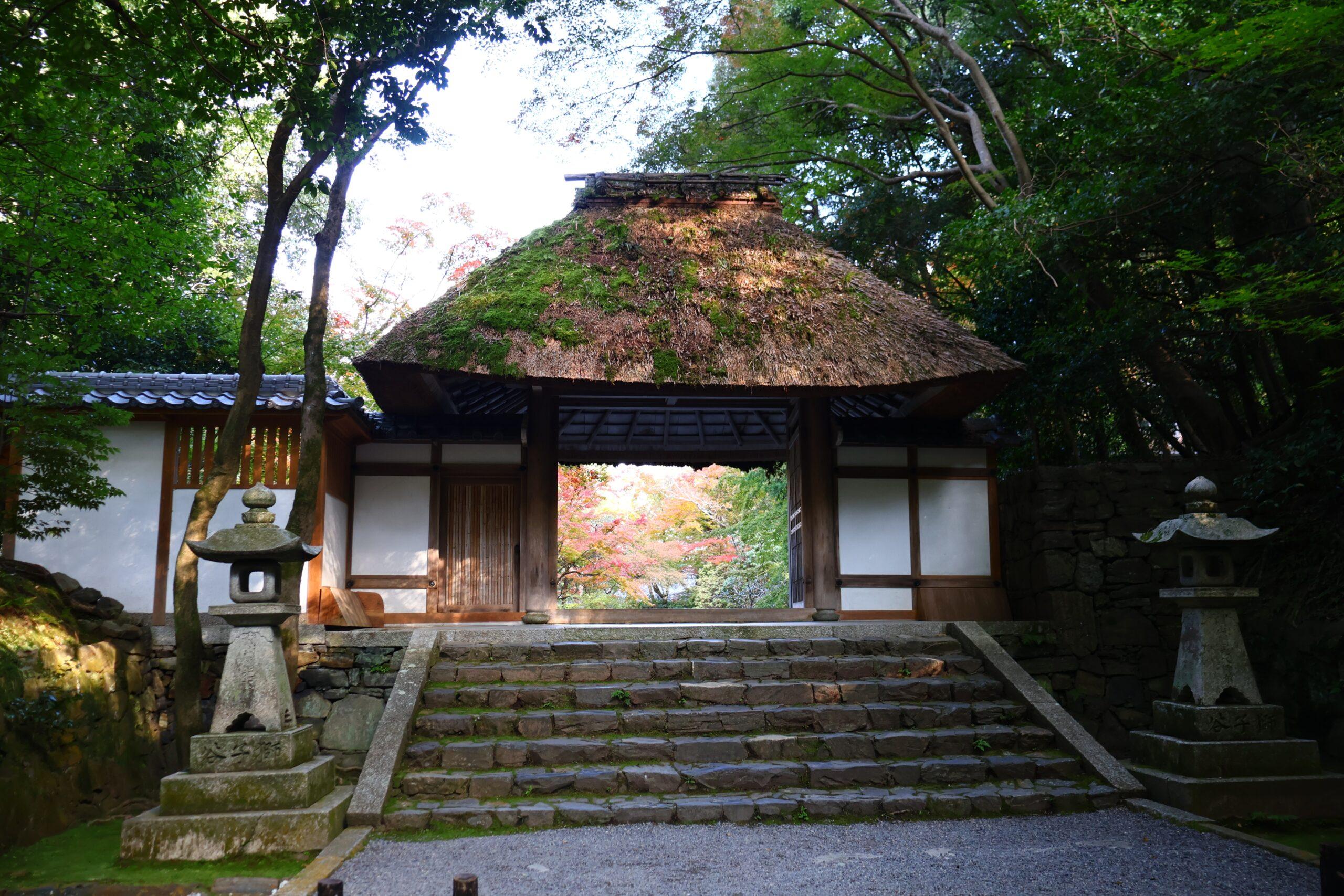
Quiet because it had less tourists, but still beautiful with its moss garden and fall colours.
- Another article about Hônen-in
- Official website (in Japanese)
- Free entrance (except special events) from 6:00 to 16:00
- Address: 30番地 Shishigatani Goshonodancho, Sakyo Ward, Kyoto, 606-8422, Japan
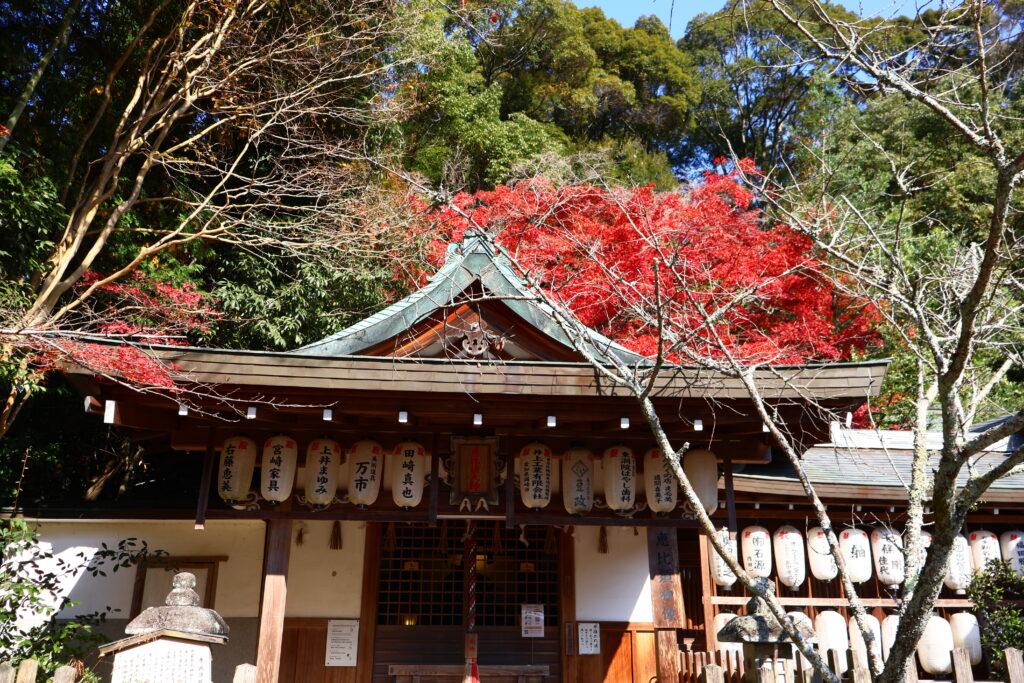
Kumano Nyakuoji
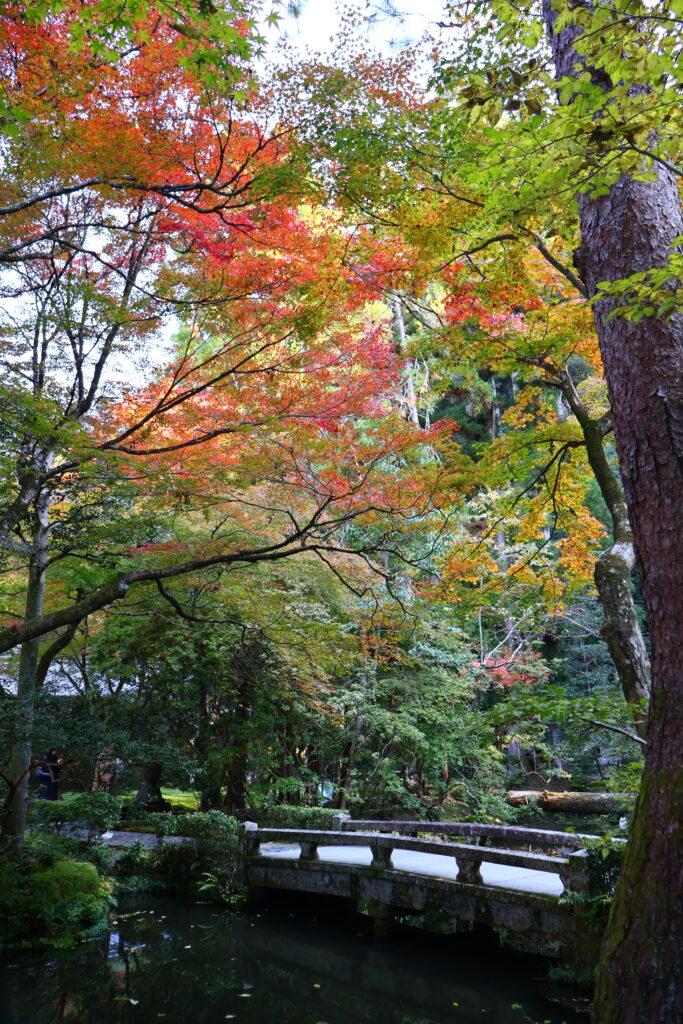
Very quiet and untouched, the background of trees makes the beauty of this shrine.
- Another article about Kumano Nyakuoji
- Official website (in Japanese)
- Free entrance, from 09:00 to 17:00
- Address : 606-8444 2 Wakaoji-cho, Sakyo-ku, Kyoto City
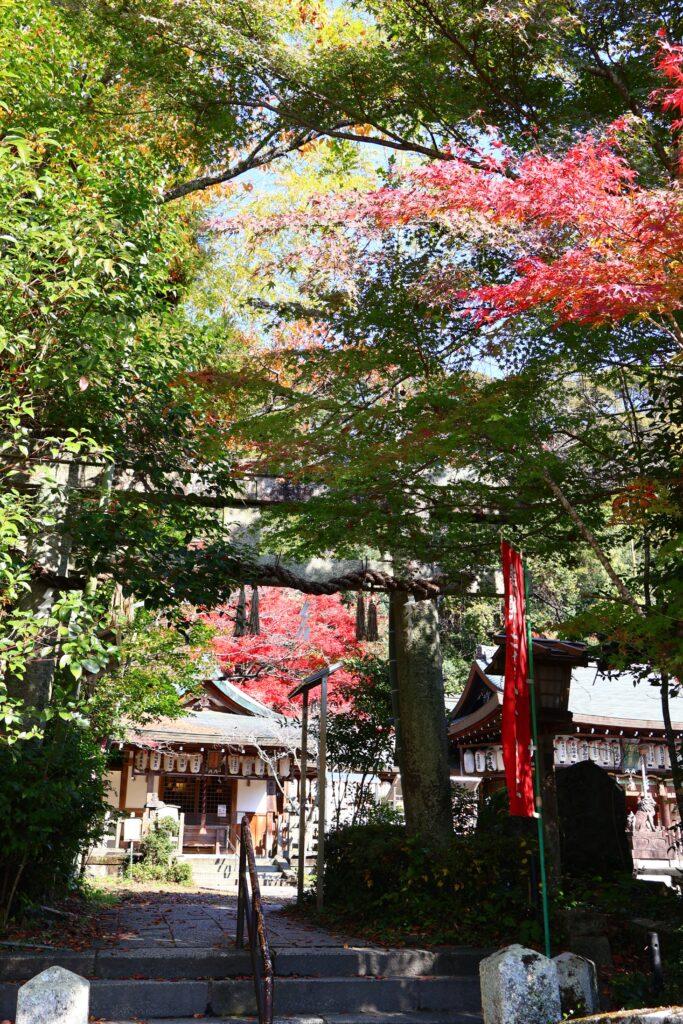
Eikando
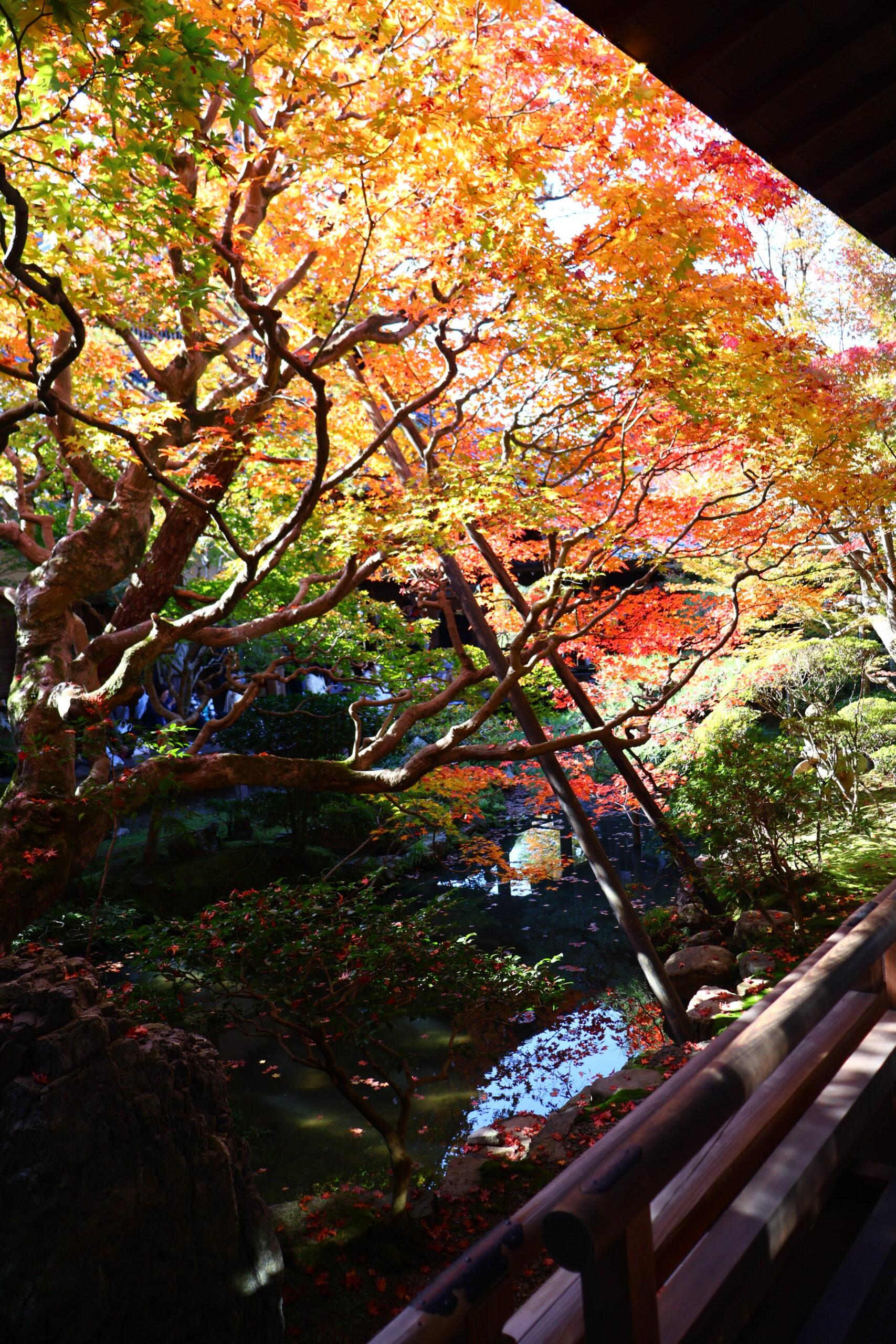
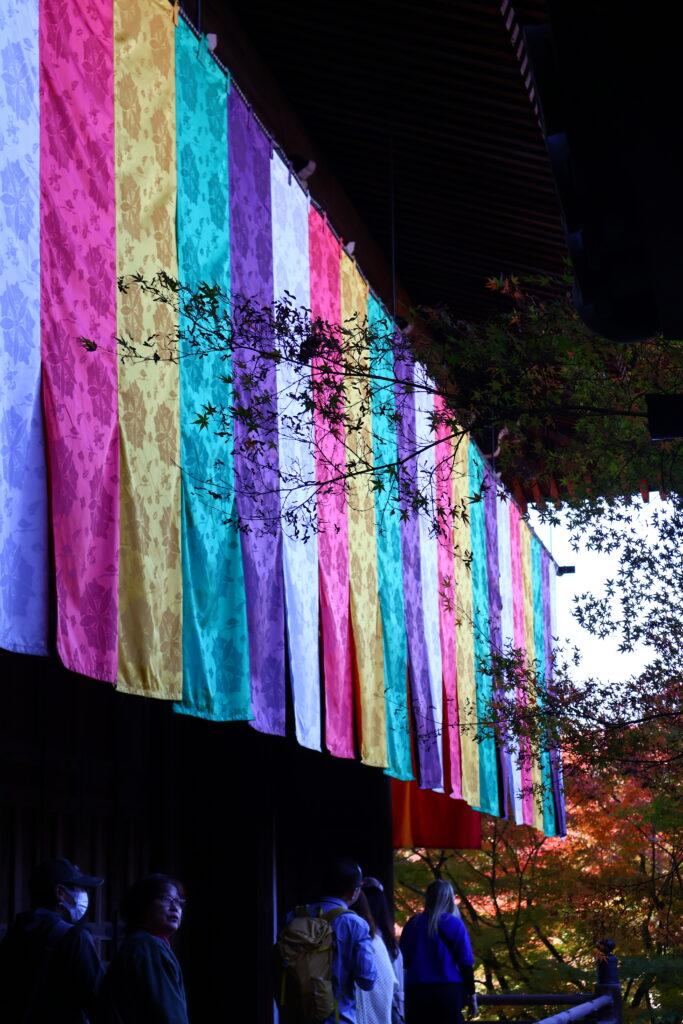
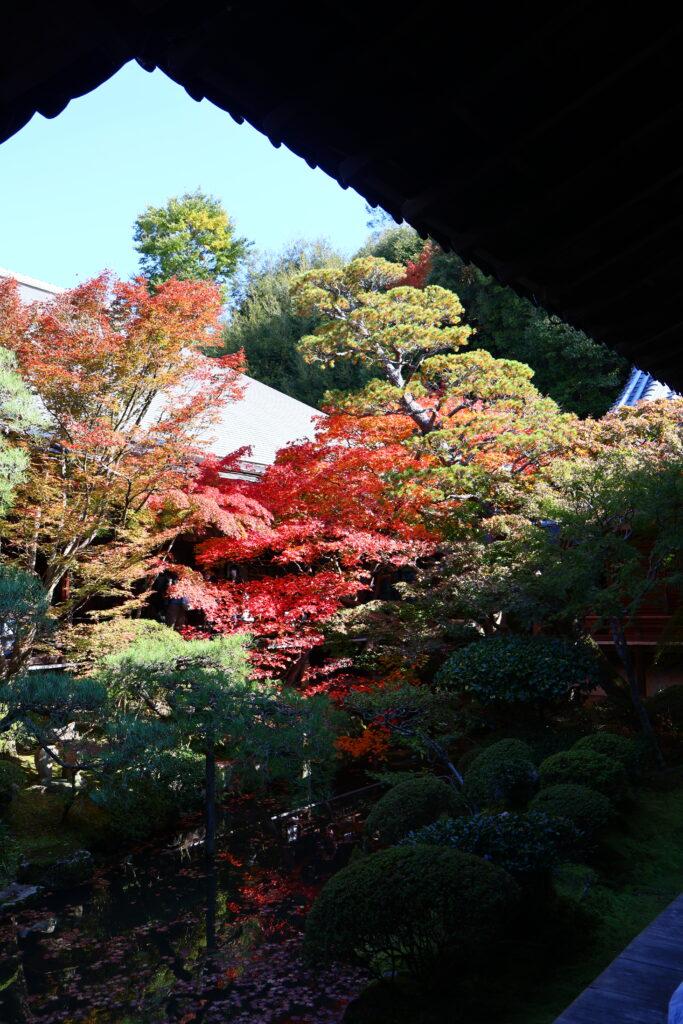
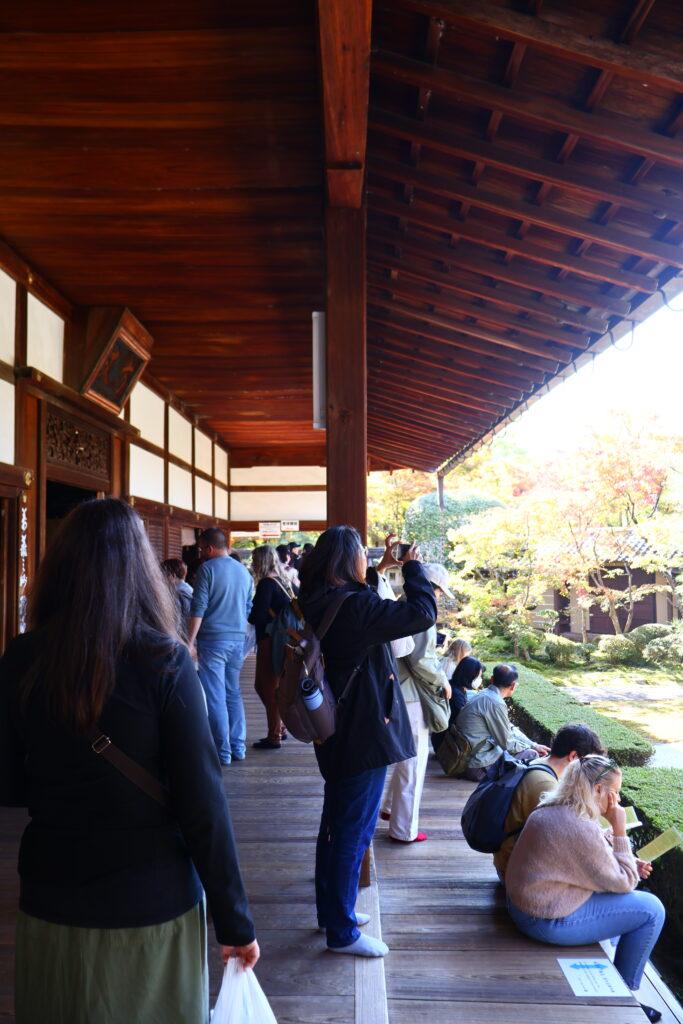
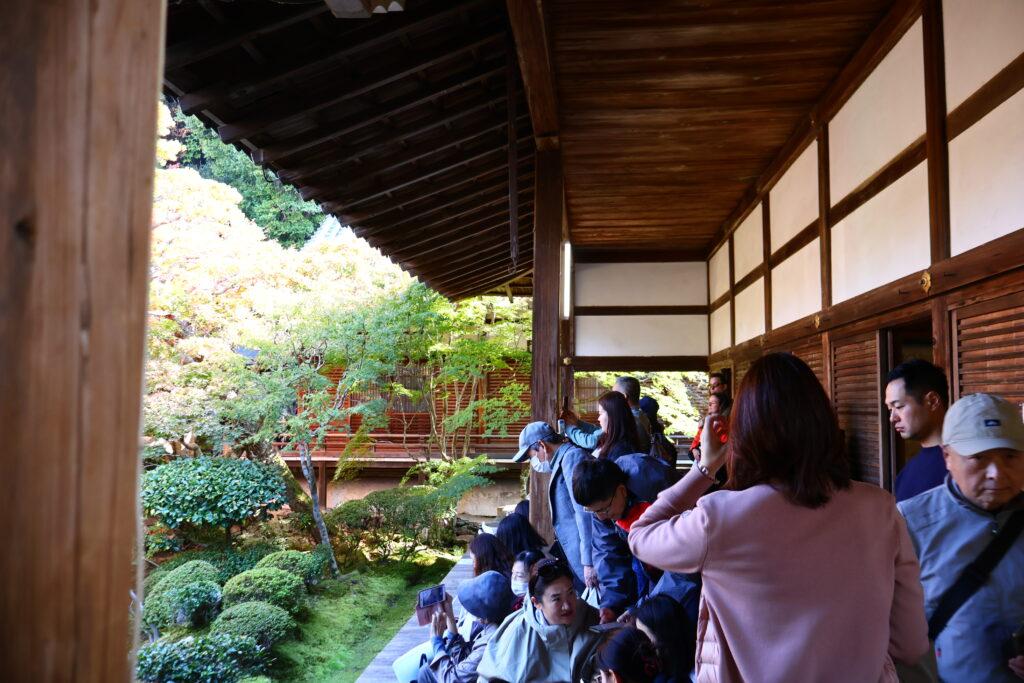
I wouldn’t recommend if you absolutely want to avoid crowds, especially during peak seasons. My guess is it’s the most visited from the philosophers’ path’s temples. I has everything I hate about very touristy spots: there’s a one-way circuit to follow, there are a few “selfie spots” where people are blocking the progression… However, I must admit it has some really beautiful views, and the surrounding park is quite big. It’s very popular during momiji (maple trees and autumn colours), so you know what to expect then. People are mainly stopping in the inner garden of the temple for the momiji.
Please note the temple is visited with bare feet.
- Website (in English) – they regularly post pictures to show how the garden looks like at the moment (see “Eikando now”)
- Price in 2026: 1 000 yen, open 9:00 to 17:00 (last entry 16:00)
- Address: Eikando-cho 48 Sakyo-ku, Kyoto
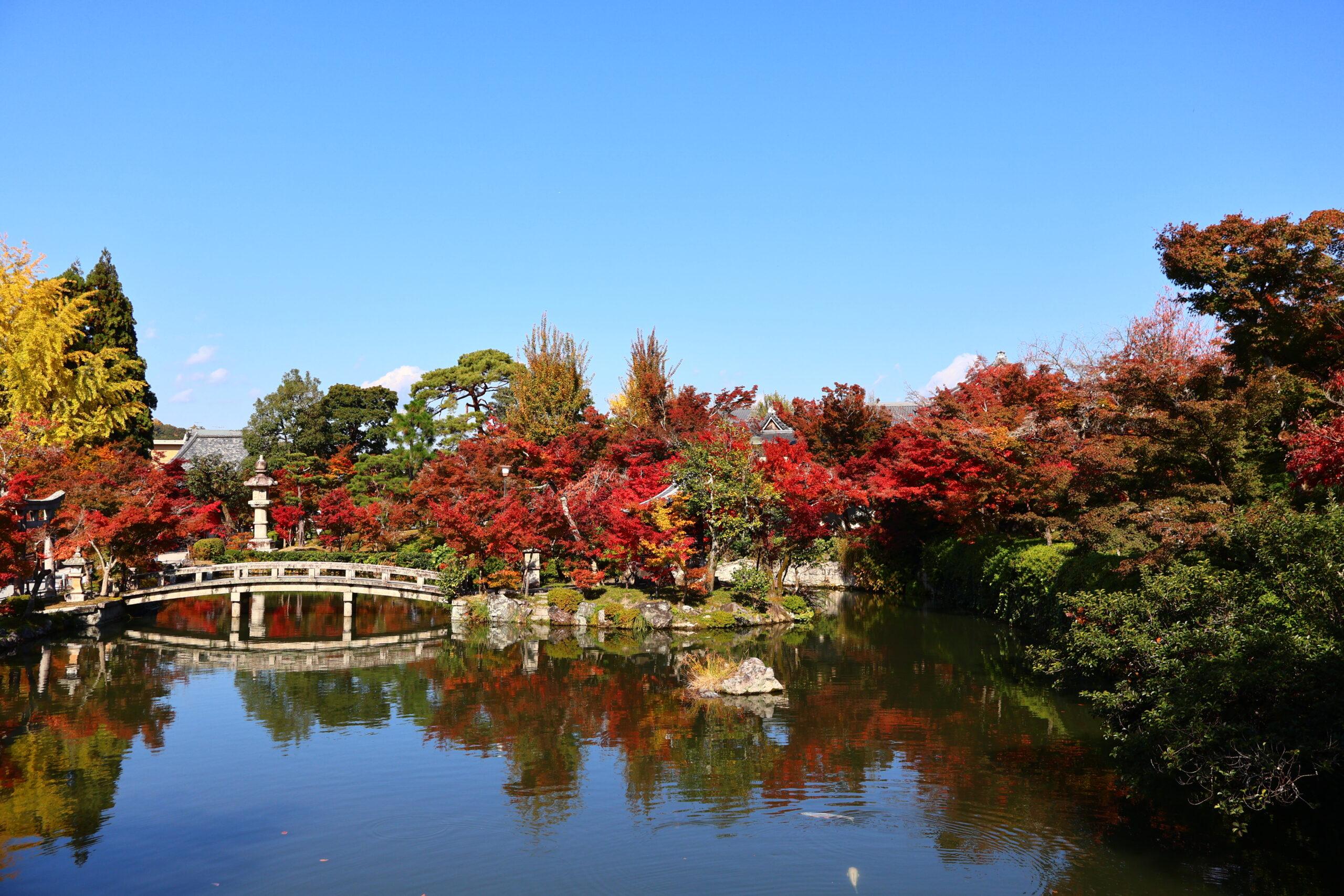
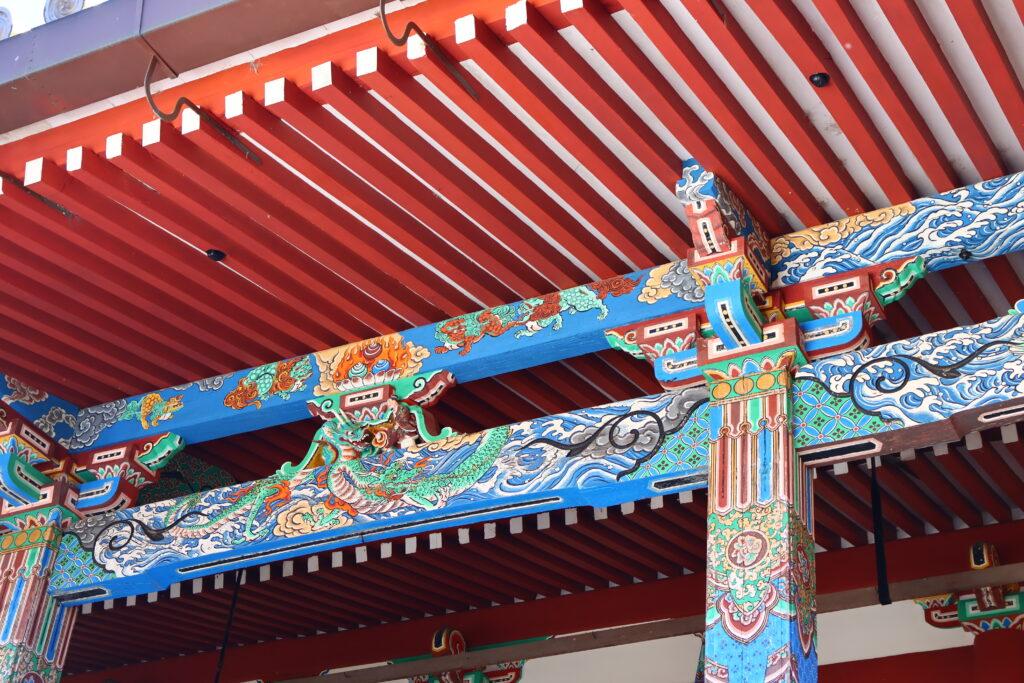
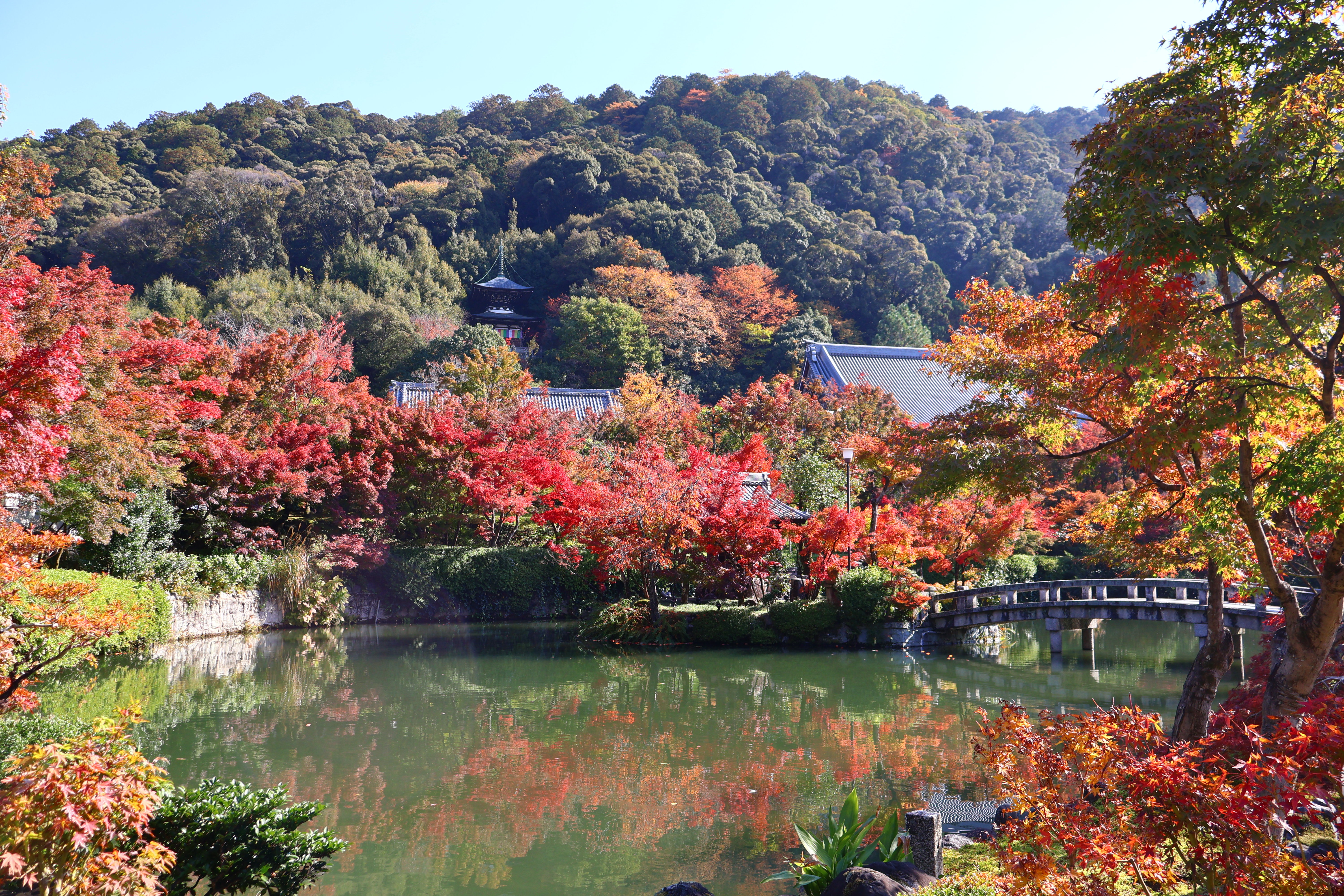
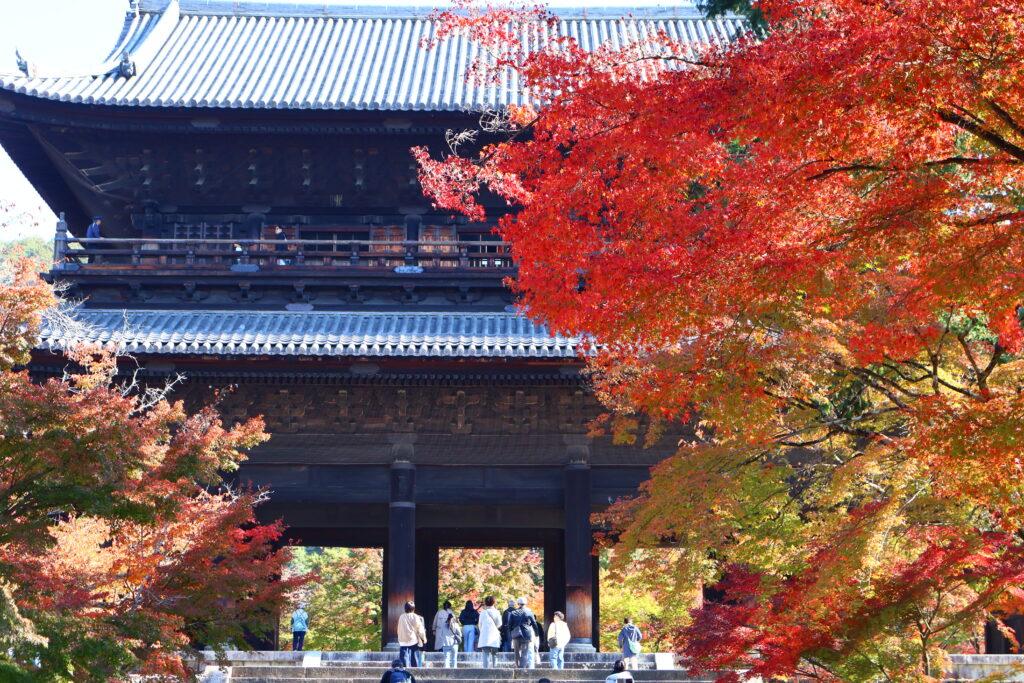
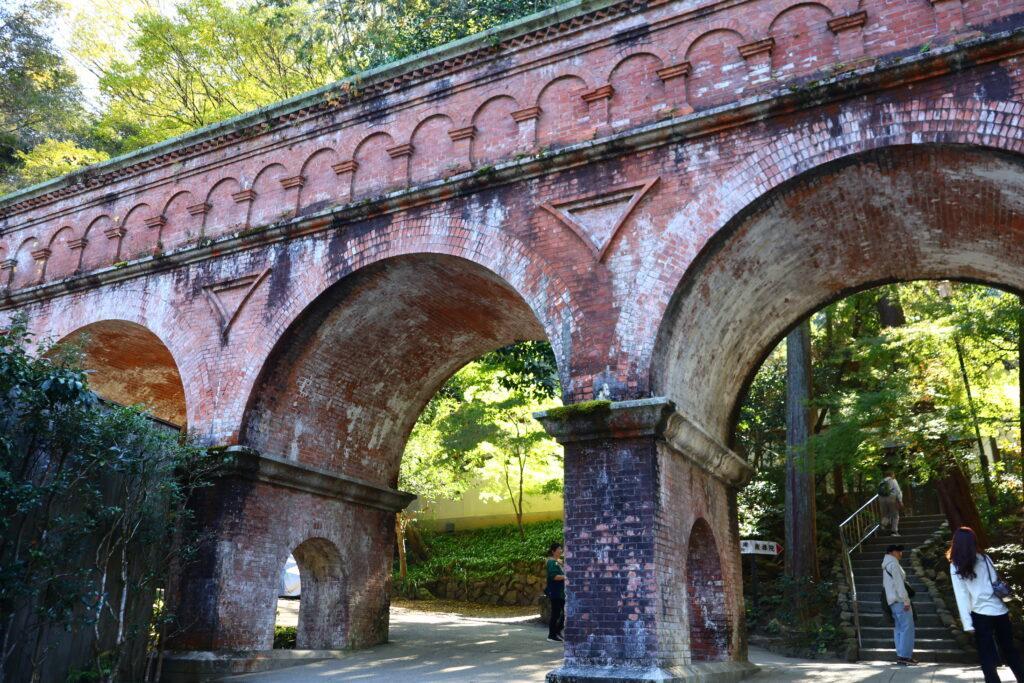
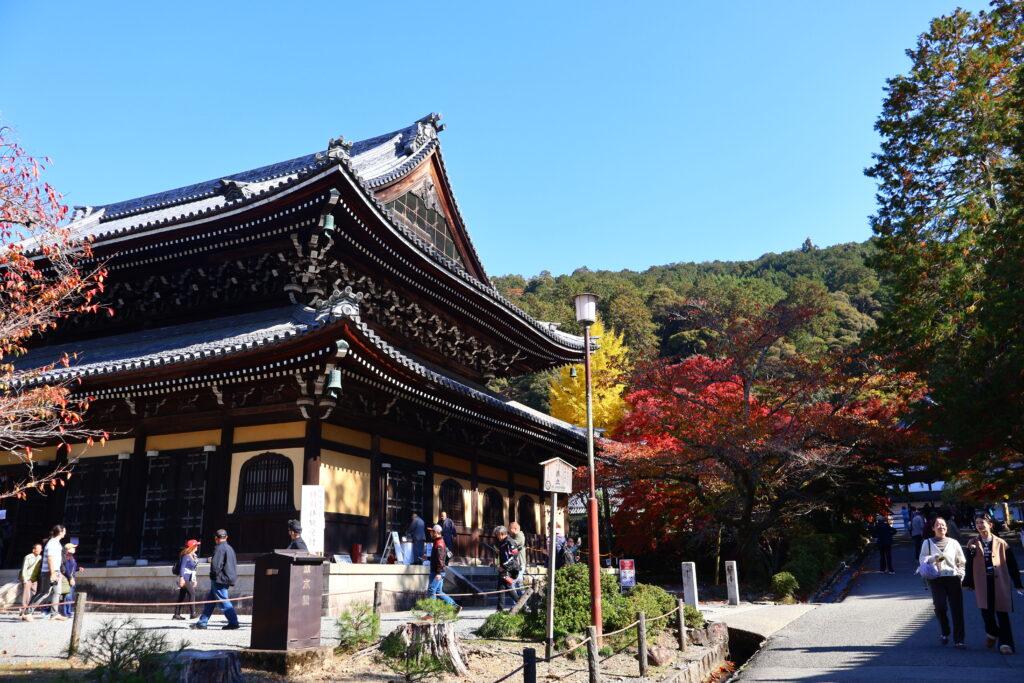
Nanzen-ji
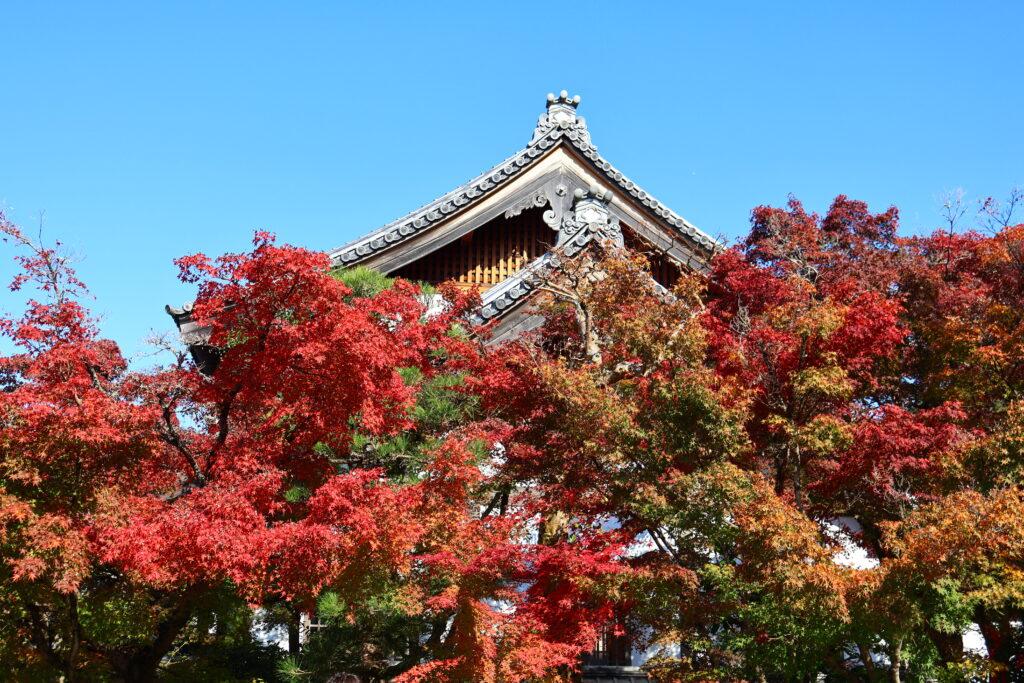
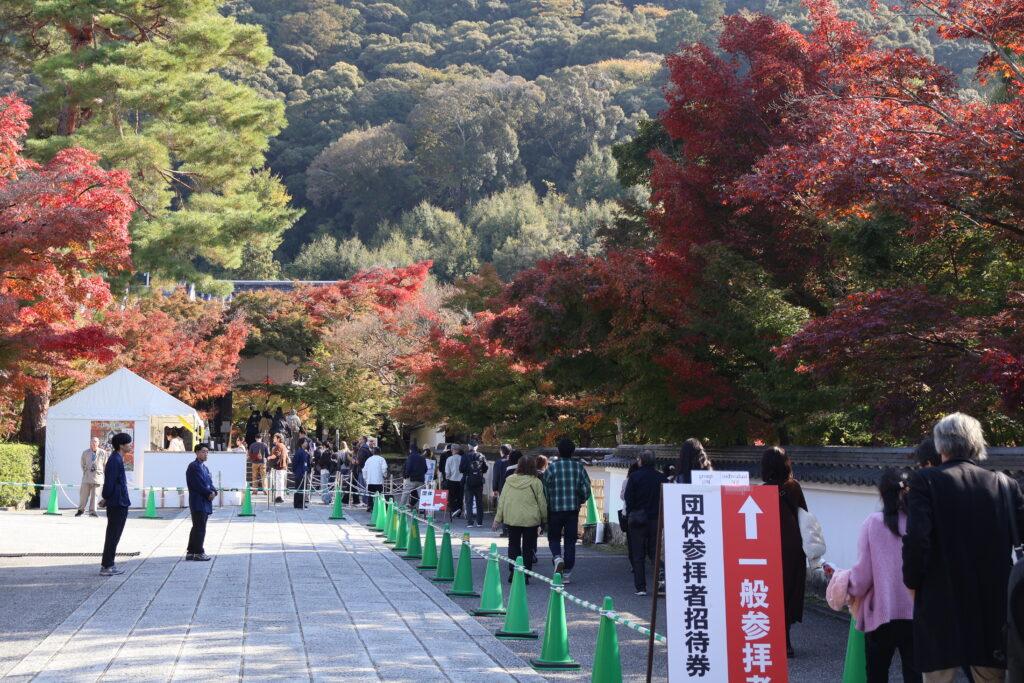
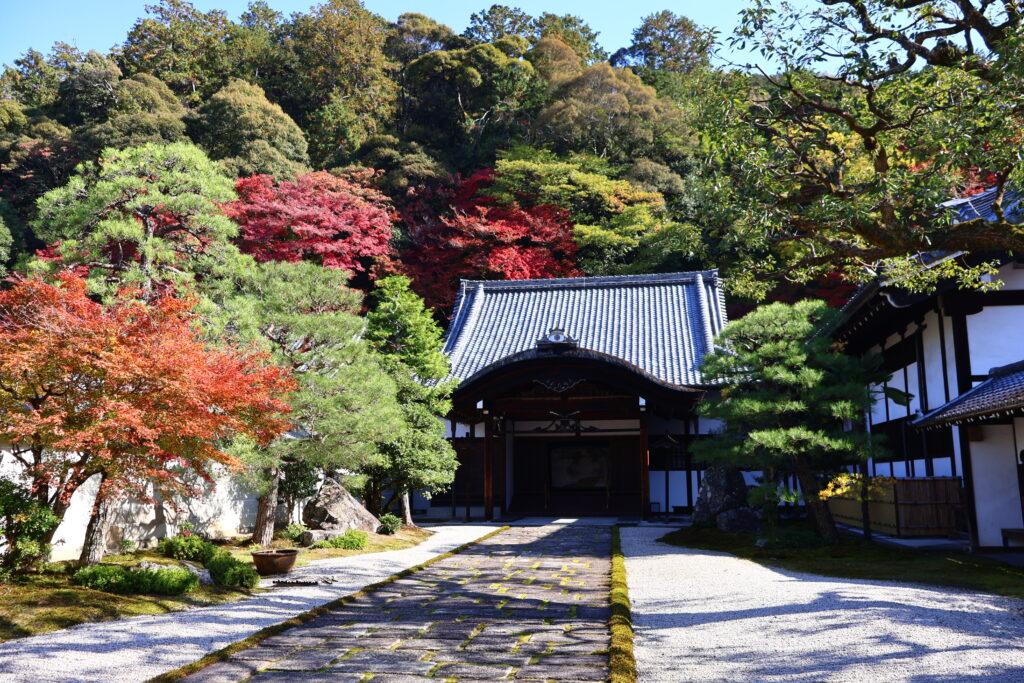
Another big temples with quite a lot of people, but it didn’t feel as bad as the previous place because they were on wider grounds. Please note however that we only visited the free, external part, I couldn’t tell about the situation inside.
- Nanzen-ji presentation from the Kyoto tourism association (en français)
- Official website (in Japanese)
- Price in 2026: depends on the part(s) you visit (three tickets around 500 yen each), but there are also things to visite outside for free. Open from 8:40 to 17:00 (16:30 from December to February)
- Address: Fukuji-cho Nanzenji Sakyo-ku, Kyoto
Enjoying saké in Fushimi saké district (not Fushimi inari)
Fushimi saké district (not to mix with Fushimi inari shrine) is a neighbourhood we discovered during our first trip in 2023. We liked it so much we came back in 2025. It’s not very touristy, it’s quiet, it’s nice to visit, there’s good food, and good saké (nihonshuu). Here are a few things to do there:
- Pass by the Choken-ji temple*
- Visit the Gekkeikan saké brewery and research center museum (tasting included)*
- Try a selection of saké at Yume Hyakushu café*
- Eat ramen with saké broth at Monsen (Sakagura Koji)*
- Get personalized recommendations and buy saké after tasting at Ginjo Shubo Aburacho.
*All mentioned in my first post about Kyoto
Saké ramen at Monsen
These ramen are one of the reasons we wanted to go back to Fushimi. It’s one of the best memories we made in Japan the first time we visited, and probably Top 3 food we tasted. We were not disappointed to go back, and even tried karaage (fried chicken) and gyoza in addition to our ramen. All really worth it!
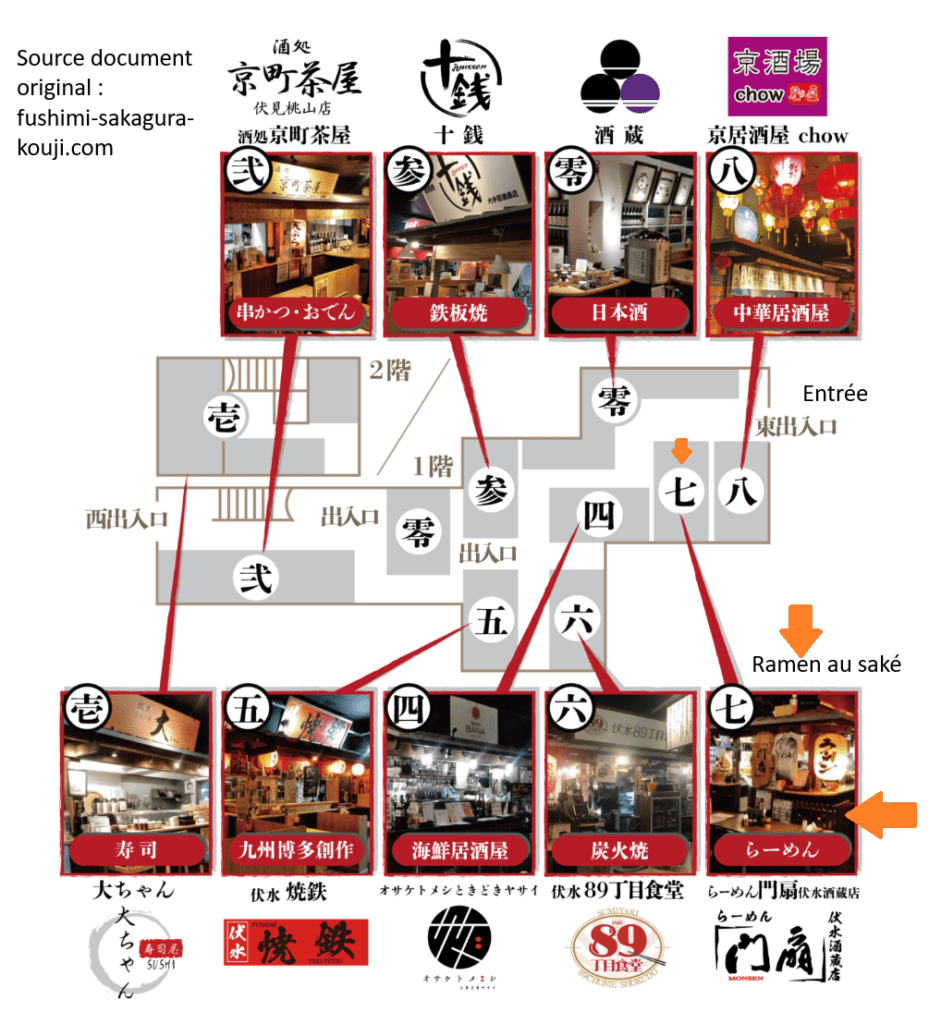
It’s located in Sakagura Koji, a food hall with several shops serving sushi, ramen, Japanese curry, bites…, and of course saké. The nice thing about it is that you can order from several places and eat it all in one place, so you can accommodate fellow travelers without limiting the food options.
The ramen shop is close to the entrance, on your left.
- Sakagura Koji website (in Japanese)
- Monsen website (in Japanese)
- Menu available in English
- Address: 82-2 Hirano-cho, Fushimi-ku, Kyoto City to 115 Nayamachi
- Opening times vary depending on the shop (for Ramen Monsen: 11:00 – 22:00)
Saké tasting and shop Aburacho
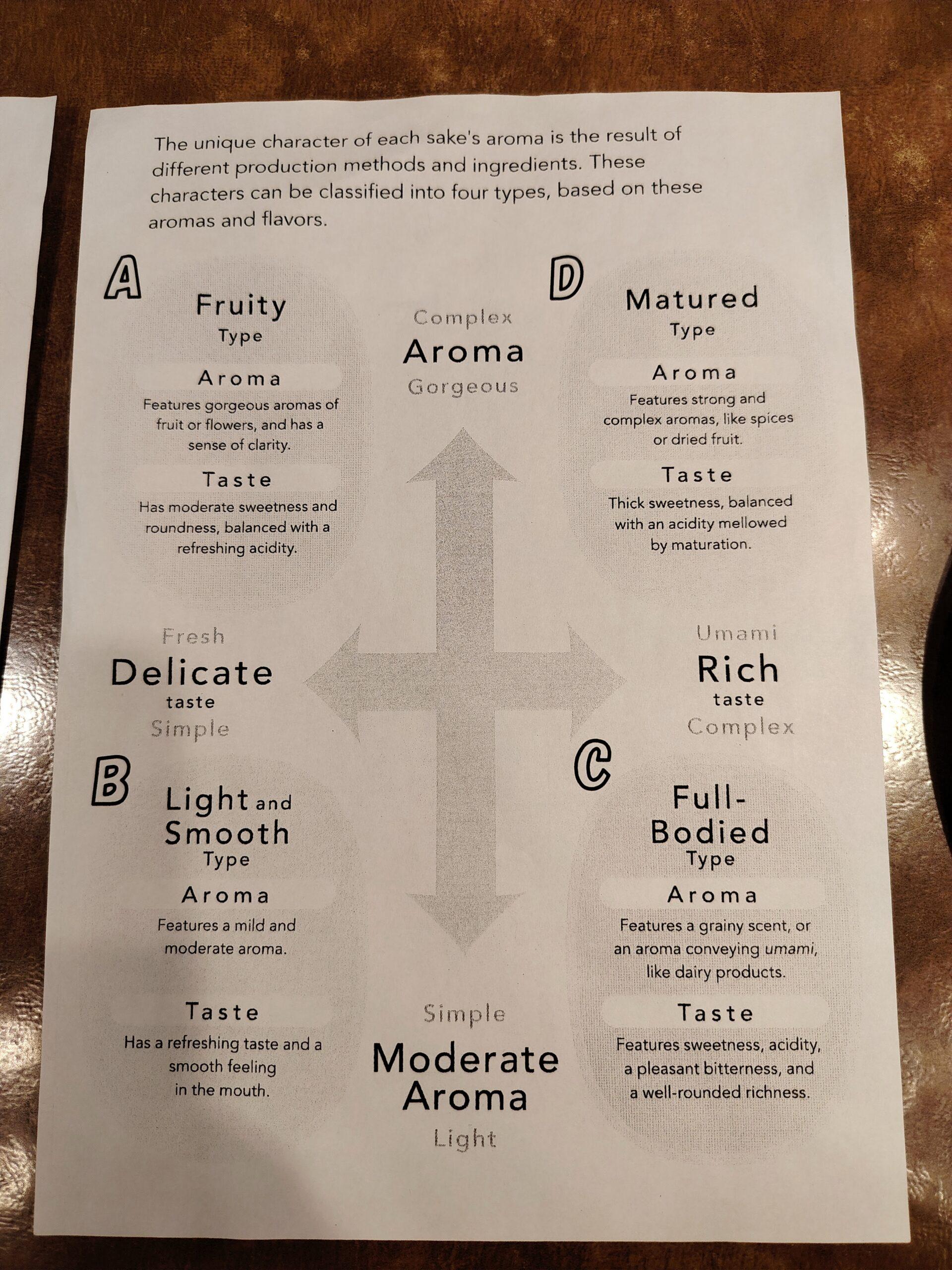
This large shop is ideally located near the Fushimi district and sells local saké. You can also taste saké (paid), either by the glass, or with a flight of three smaller ones. If you know your tastes, they will recommend something for you, otherwise they’ll propose a discovery flight to let you refine your preferences.
The tasting price is related to the bottle value, and they’re really ok with you giving them a price limit beforehand if budget is a concern.
- Website (in Japanese)
- Address: 780 Higashiotecho, Fushimi Ward, Kyoto, 612-8053, Japan
- Opening times: 10:00 to 20:00, closed on Tuesday and first and third Wednesdays of each month (double-check their website for exceptional closing days)
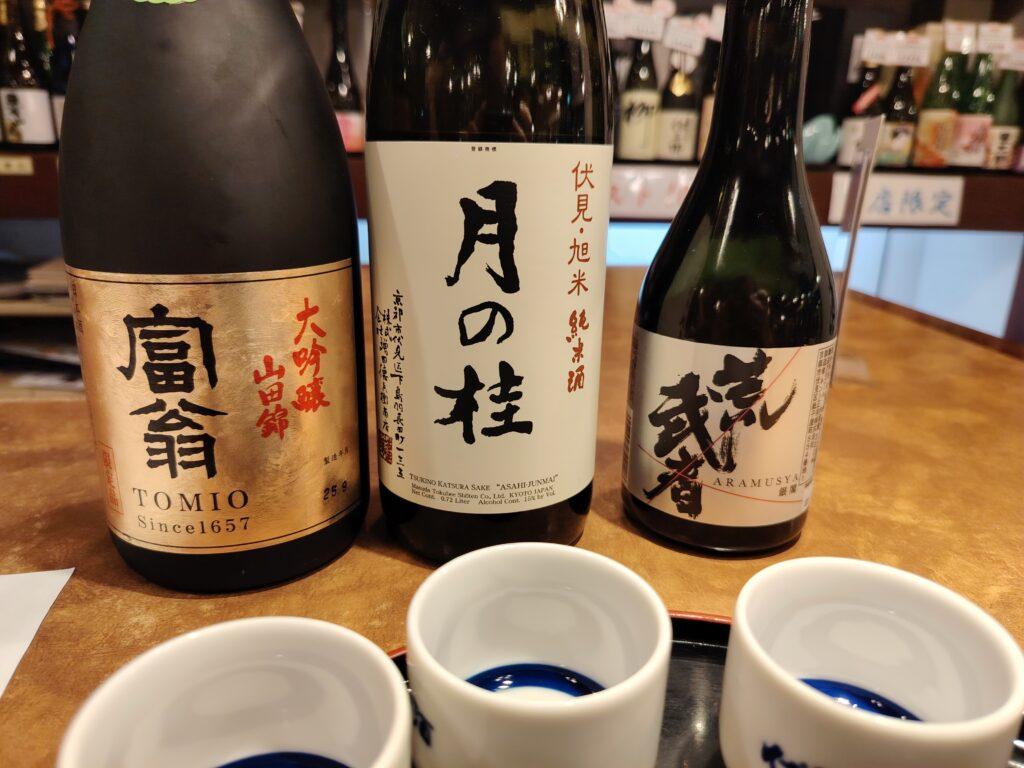
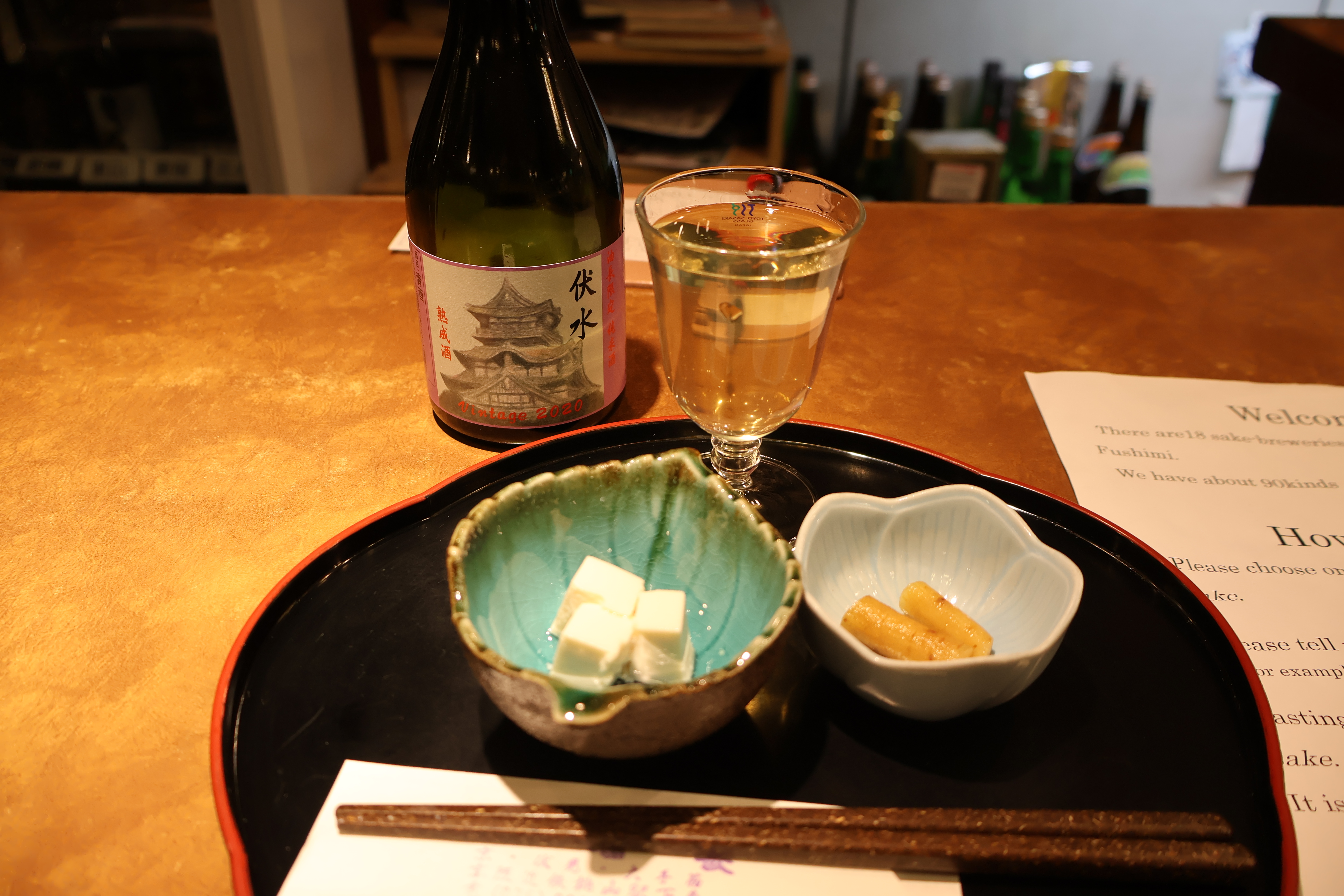
Story time. On our first trip we tasted one saké, “Tsuki no katsura” (seen in the middle of the middle picture) at Yume Hyuakushu café and we loved it. Then, we saw that Monsen had ramen with that same saké at the time, and we loved it too. We passed by the Aburacho shop afterwards but decided not to buy the bottle because Kyoto was one of the first destinations of our month-long trip. We could never find it anywhere else because it’s a local saké. Back to Kyoto two years later, we were so happy to taste it again and to be able to buy a bottle this time!
Other places to visit in Kyoto to avoid most tourists
- Uji, the match district, and the Byodo-in temple*. It’s not tourists free but it was really quiet when we visited in 2023 because it’s not next to any big and famous point of interest.
- Higashi Honganji temple and the Shoseien gardens*
*More about those places in my first post about Kyoto
Do you have other recommendations for visiting Kyoto away from big crowds?
You might also like: handicraft and flea markets in Japan

I’ll soon publish a list of food recommendations in Kyoto, you can subscribe to the newsletter not to miss this!