Kinosaki onsen town is one of the easiest places to visit to enjoy onsen (Japanese hot spring bathing facilities) as a tourist. In this post, I’ll share our impressions, places we recommend in Kinosaki, and a detailed step-by-step of the onsen experience, to avoid faux-pas as a non-Japanese visitor.
Why is Kinosaki such a popular onsen town?
The main reason for us was that all public onsen in Kinosaki are tattoo-friendly, they won’t prevent you from using facilities nor ask you to hide your tattoos. Just note that ryokan are free to refuse tattooed patrons in their own onsen, when they have them, so it’s better to ask before booking your accommodation, if you’d like to enjoy a bath at the ryokan too.
The other advantage of Kinosaki is that it’s super easy to visit the town. With the train, the shortest journeys are 2.5 hours from Kyoto, 3 hours from Osaka and 5 hours from Tokyo Station, so it’s an easy one-day or one-night trip, while some onsen area are less accessible with public transportation (like Gifu) or way further (like Beppu, to the South). In addition, Kinosaki doesn’t require extra transportation from the train station, you just join the town directly by walking.
Itinerary advice for Kinosaki from Tokyo, Kyoto, Osaka…
Kinosaki is really easy to arrange on an itinerary including Kyoto and Hiroshima, for example (what we did).
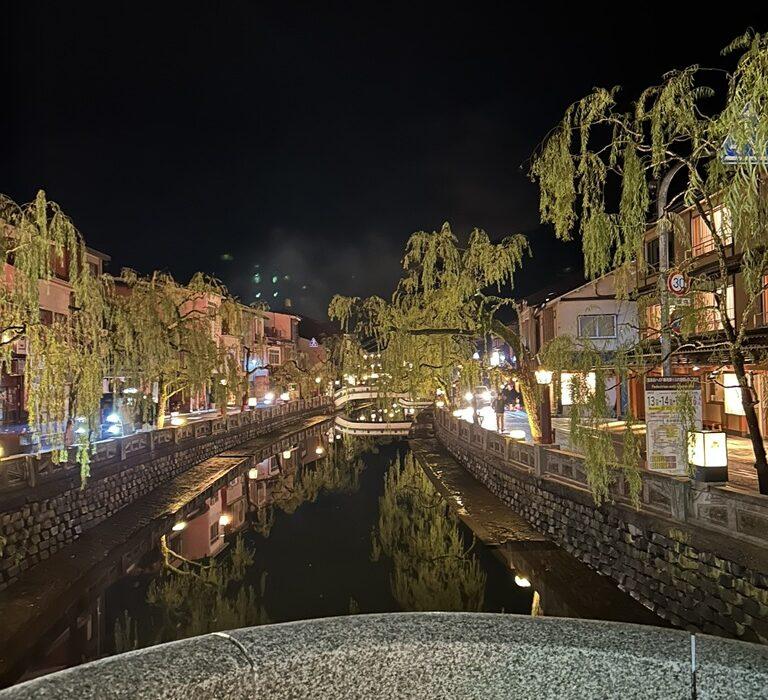
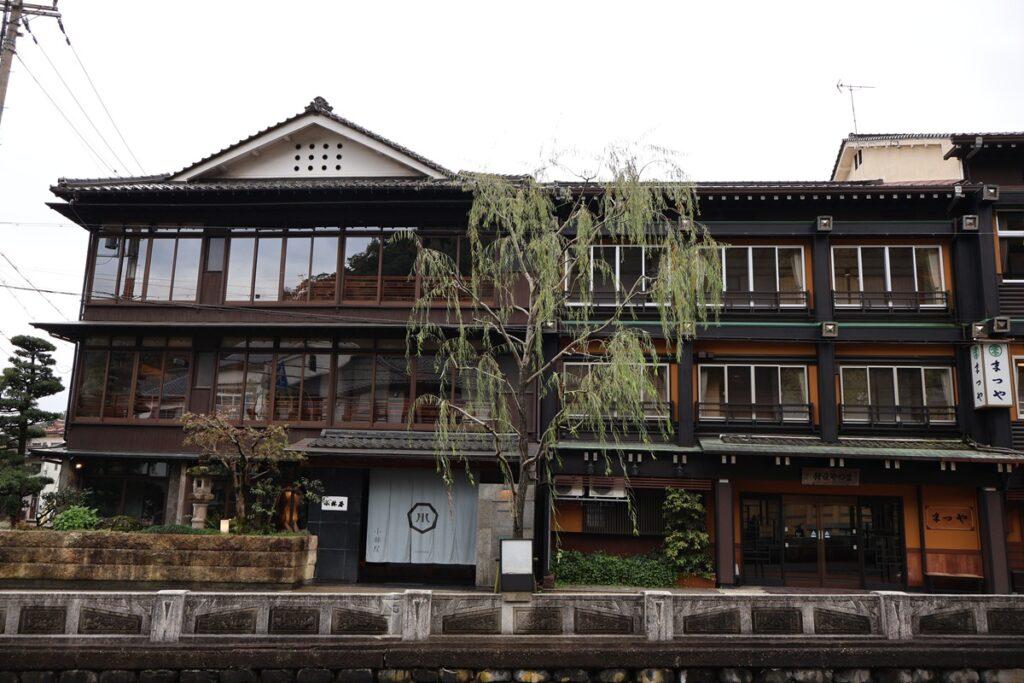
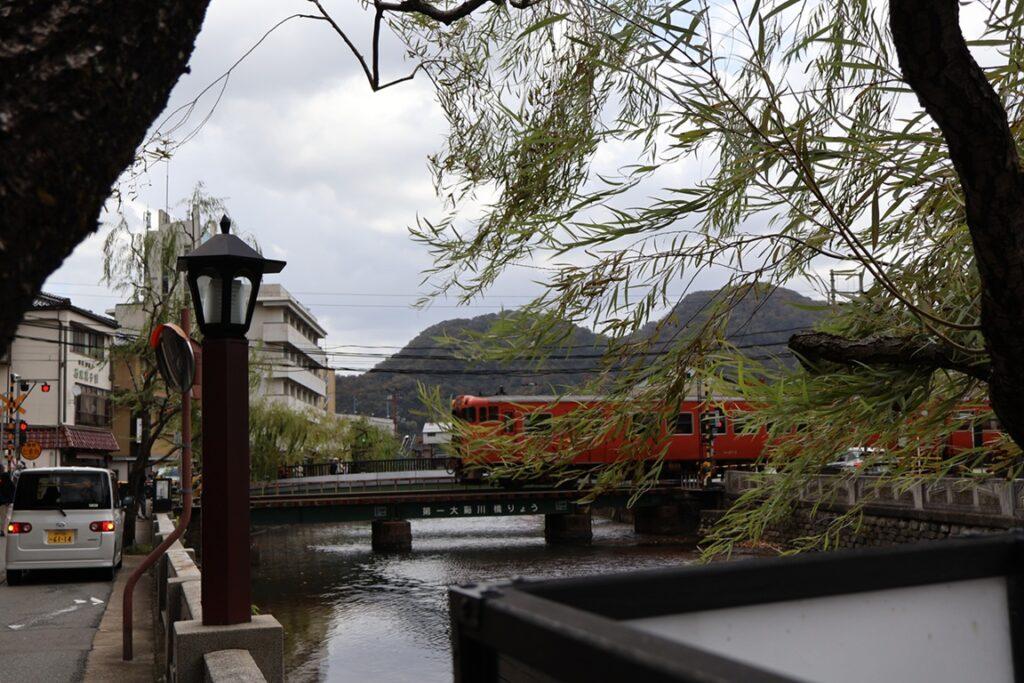
Apart from the practical aspect, let’s recognize that Kinosaki is a really pretty town, with its famous and picturesque river. It also has seven different public baths.
Some negative aspects
Unfortunately, easy-to-access also means very popular among tourists and very crowded, which means noise (something I especially experience on the women side, while my husband said the men side was really quiet). We also regretted that cars can drive in many places where visitors stroll, making it less relaxing to walking as you have to pay attention for traffic even along the river or when walking from one onsen to another. You’d better avoid wandering at peak time, when private drivers are taking guests to their ryokan for check-in or picking them up at check-out.
We visited Kinosaki on a Sunday, thinking most people would be gone as check-out is in the morning, and the onsen pass is only valid until 1 PM on the day you leave. Maybe the village gets way quieter in the middle of the week? However, I’m not sure our experience would have been different as most visitors didn’t seem to be Japanese at the time.
Something that’s impossible to control but impacted our stay is the weather. We were unlucky to stay in Kinosaki during a pair of rainy days. Walking from one onsen to another with the cold wet air removed all the relaxation from the hot baths. The worst for me was walking on damp streets with open shoes…
Something you should know about Kinosaki onsen places
The public baths each close on a specific day of the week for maintenance. Some of them are way more beautiful than others, or have specific benefits, so I’d recommend you check the list of onsen places and make sure to know which you want to visit and when they’re closed.
The 7 public baths of Kinosaki onsen town
For example, some of them have outdoor baths, others are indoors (sometimes they have both), which offers completely different experiences.
Is there anything to do apart from bathing?
It’s not recommended to stay inside the hot water for too long, and you should take breaks between two baths, so here are a few things to do in between baths.
Wandering in the city
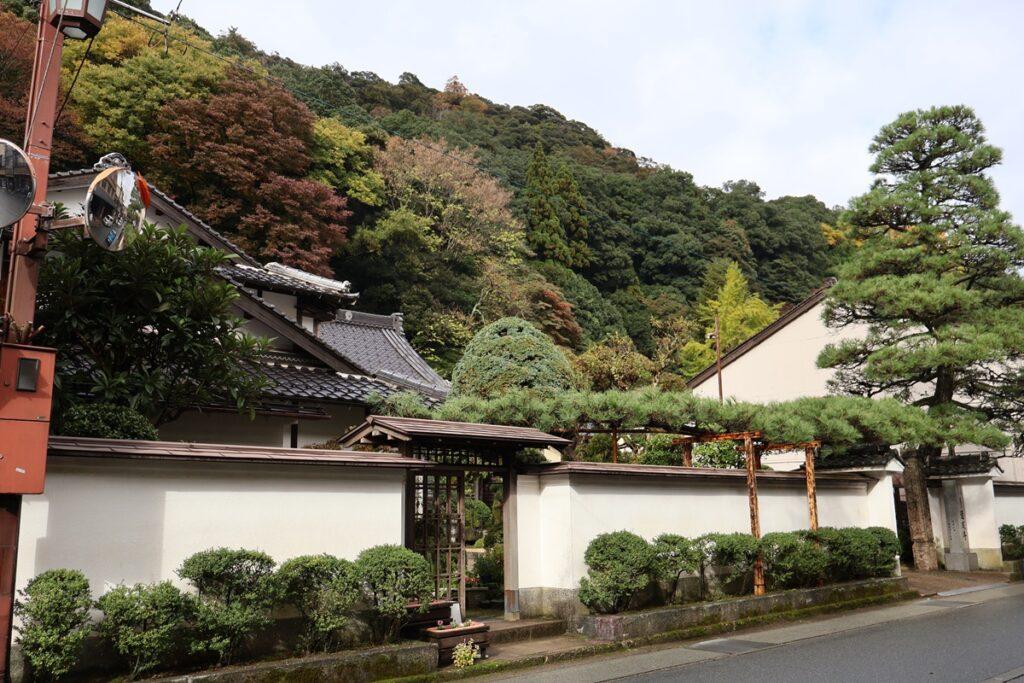
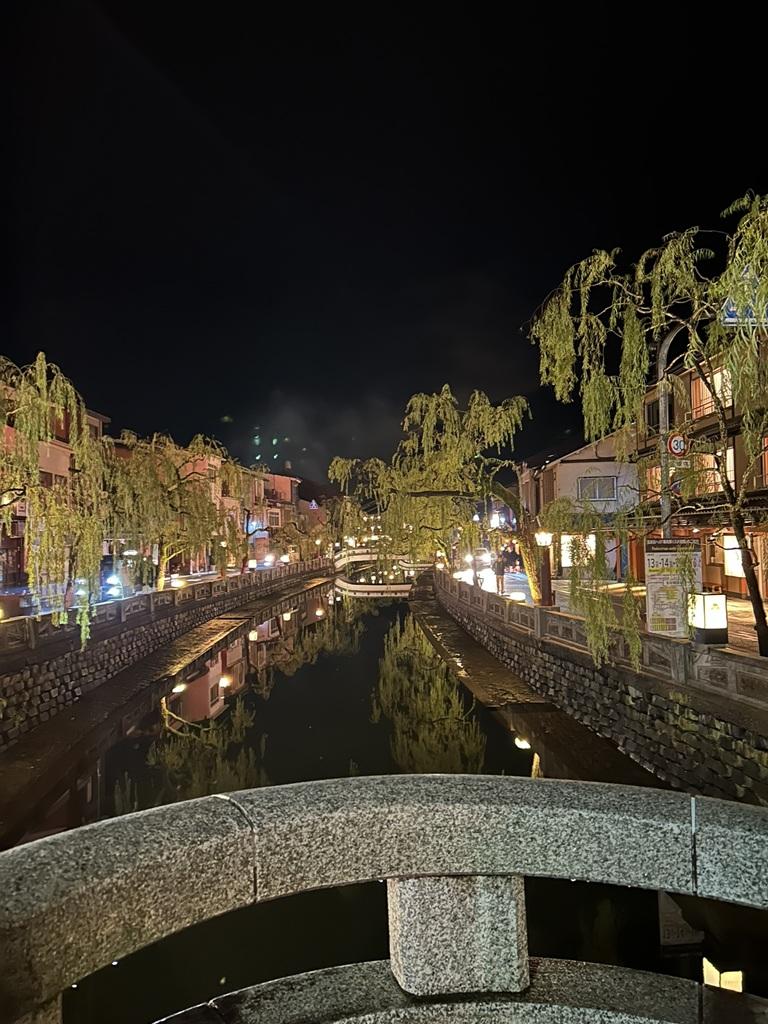
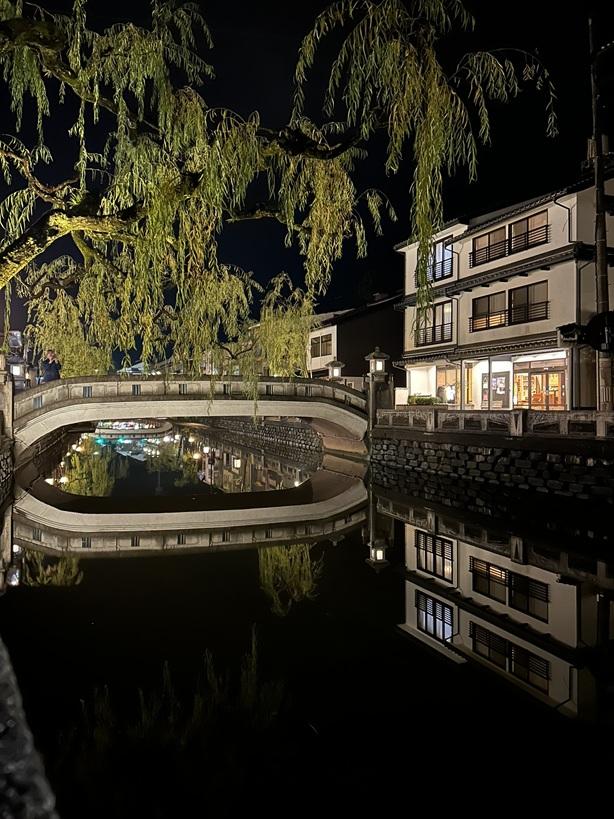
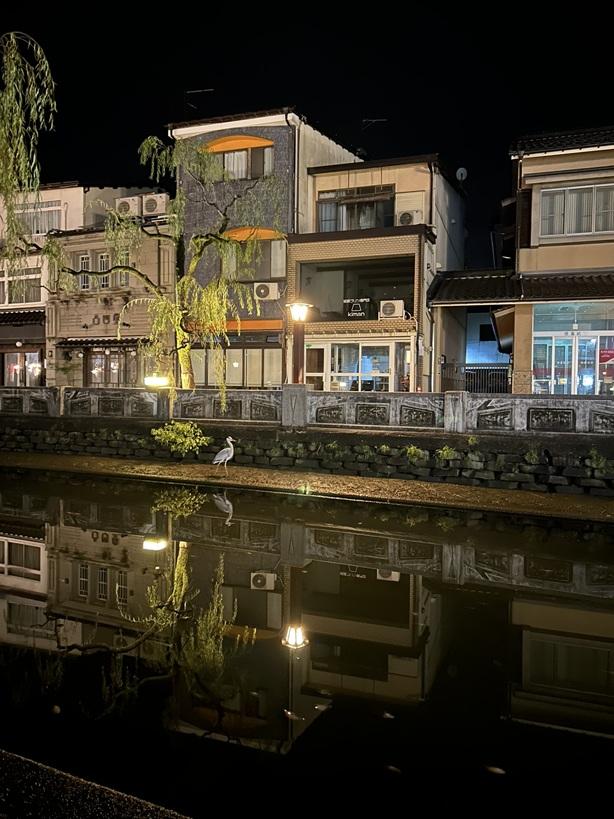
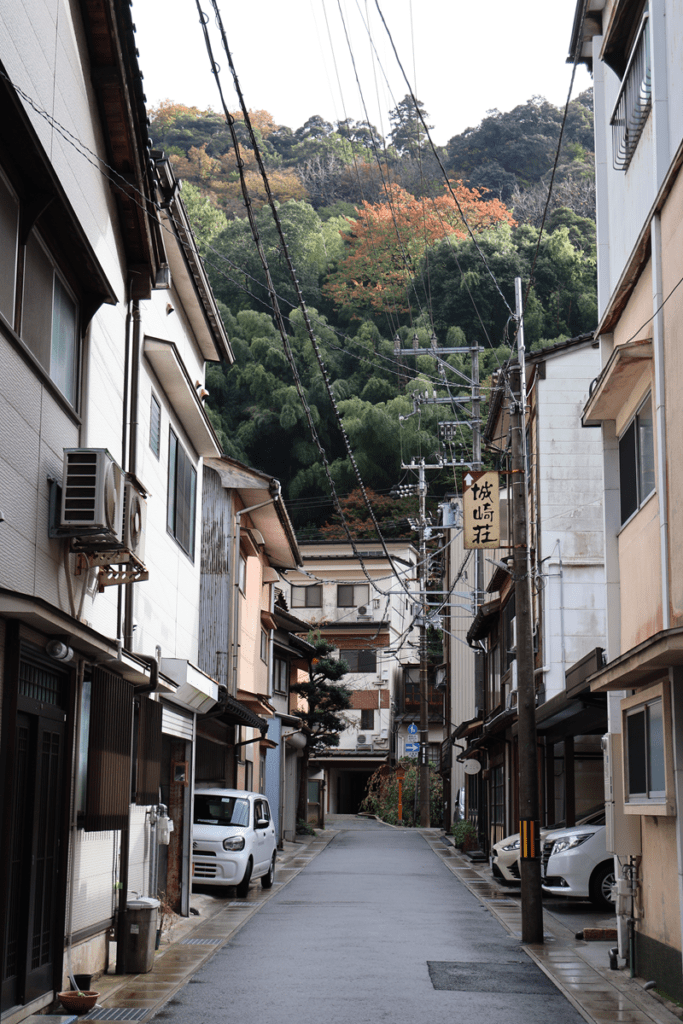
The town is really nice to walk through, wearing your yukata (optionally, kimono for women), whatever the season. There are several places for drinking and eating, some souvenir shops (you can buy bath salts and mineral mixes to reproduce the onsen experience at home for example)… The Otani river is probably the most beautiful place for a walk.
Where to eat and drink
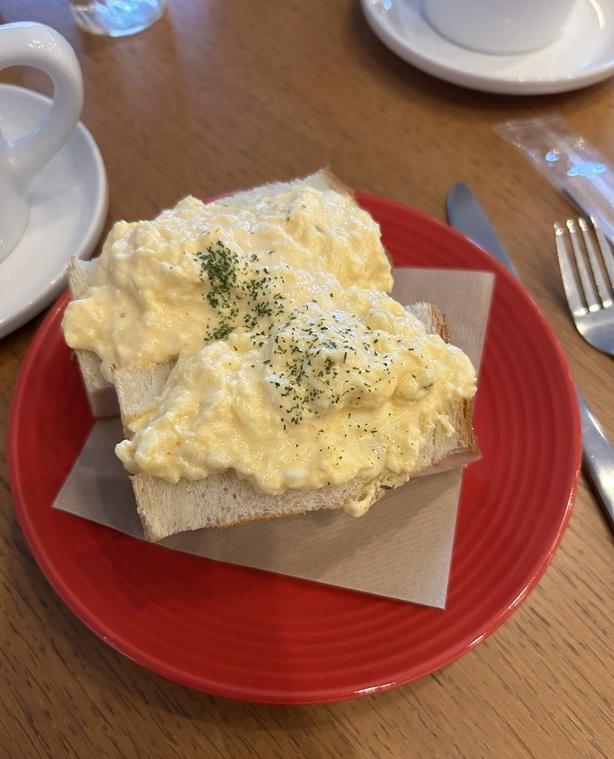
- for coffee or a light lunch, you’ll find a great selection at café Utsuroi Tsuchiya: really good coffee with a large choice of aroma, bitterness and acidity to accommodate your liking, egg sando (soft bread sandwiches with fluffy omelette), bites, toasts, hot dogs, various sandwiches, pastries… It’s cosy and simple, and they have an amazing painting of Kinosaki on one of the wall.
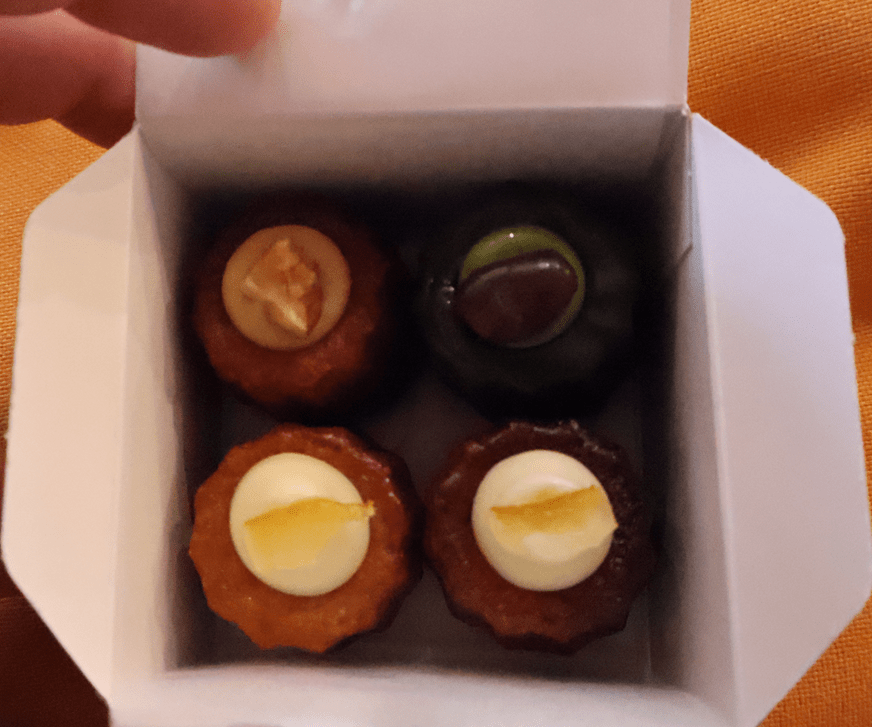
- grab some gluten-free cannelés at Katashima Seikodo from a selection of unique flavours (black sesame, yuzu, matcha…). They have twelve options, season specials, but also other gluten free pastries (to-go only, but there are a few benches not far away).
- at Kinosaki vinegar (just opposite Katashima Seikodo) you can try flavoured vinegar to make cocktails, top-up ice cream, add to sparkling water… Samples available in the shop.
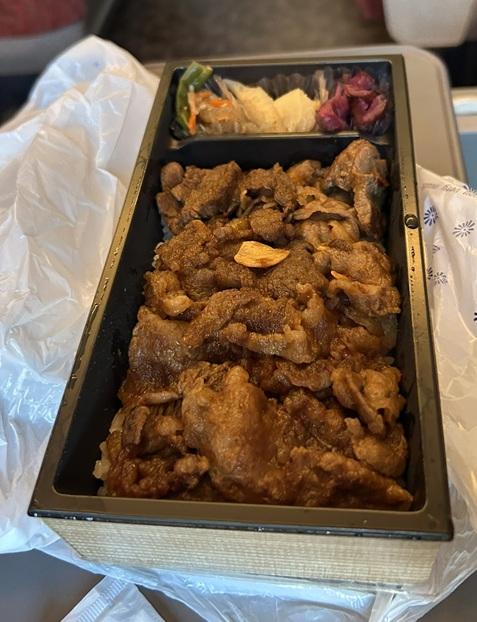
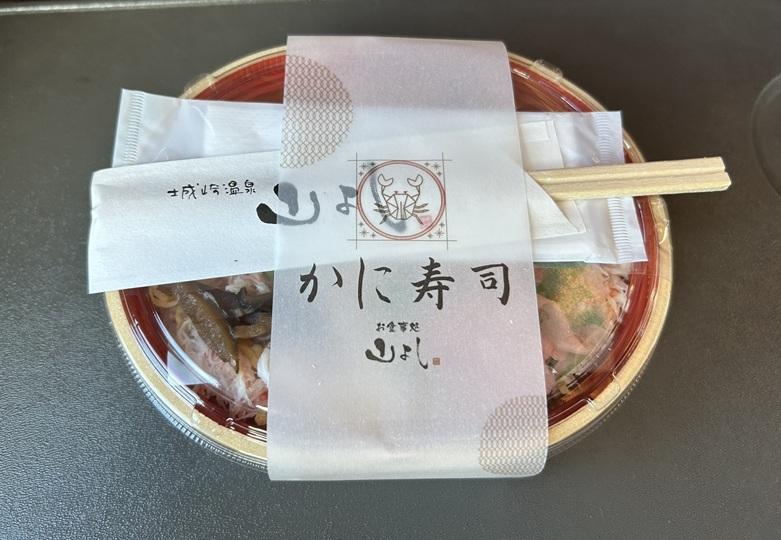
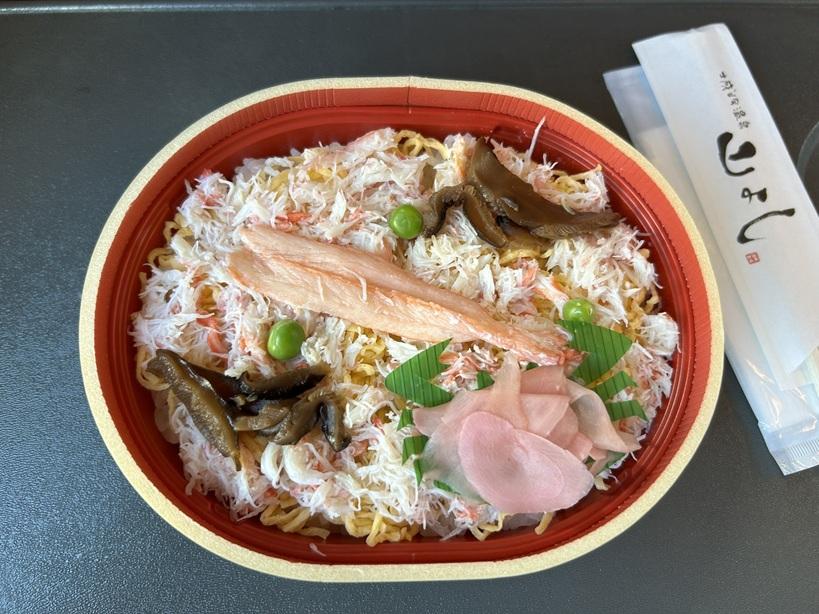
- for a bento (ekiben) with crab or beef (before you hop on a long distance train for example), head to Yamayoshi, a few steps away from the train station (to-go menu). We really likes their bento. They also have a restaurant next to the bento counter but we didn’t try it.
Foot baths
Not in for a full body bath? There are several foot onsen to discover at several places in the city. It feels so good during a trip where you walk a lot! They’re free and outdoors, just think about bringing a towel for your feet.
Panoramic view on the city
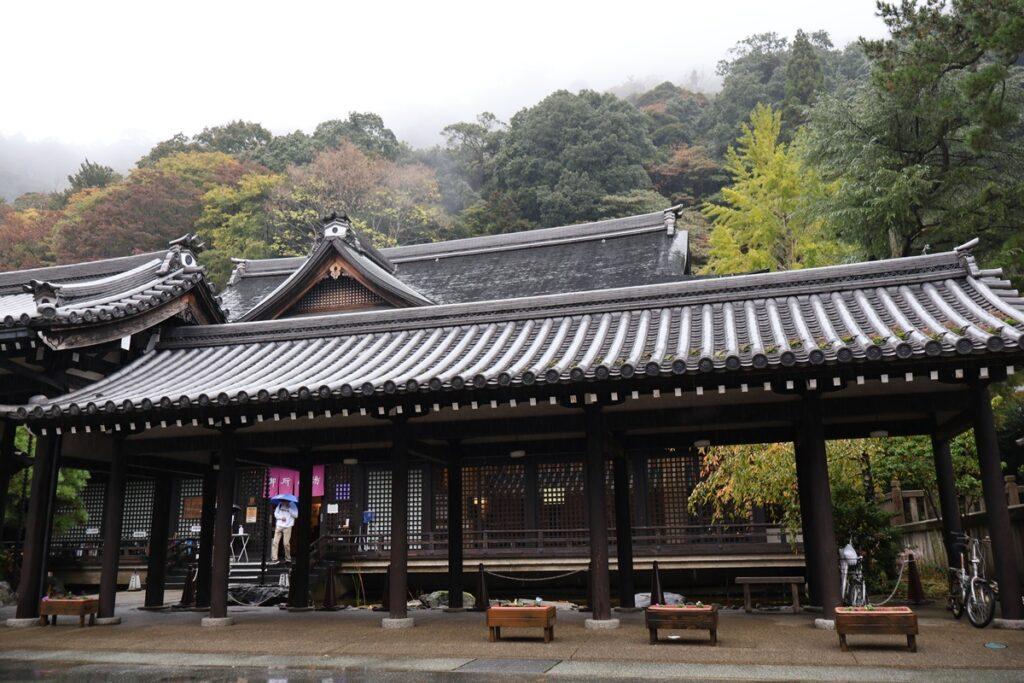
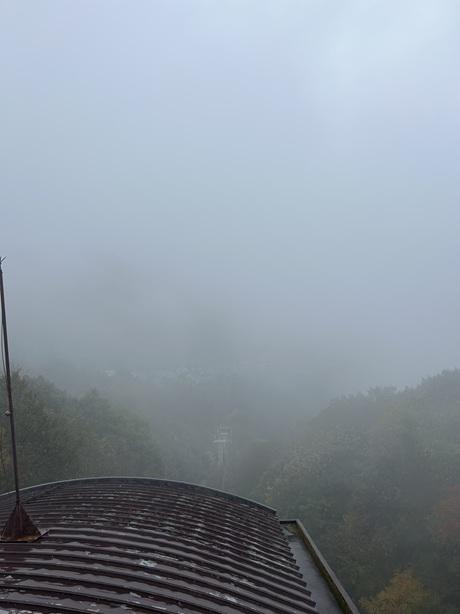
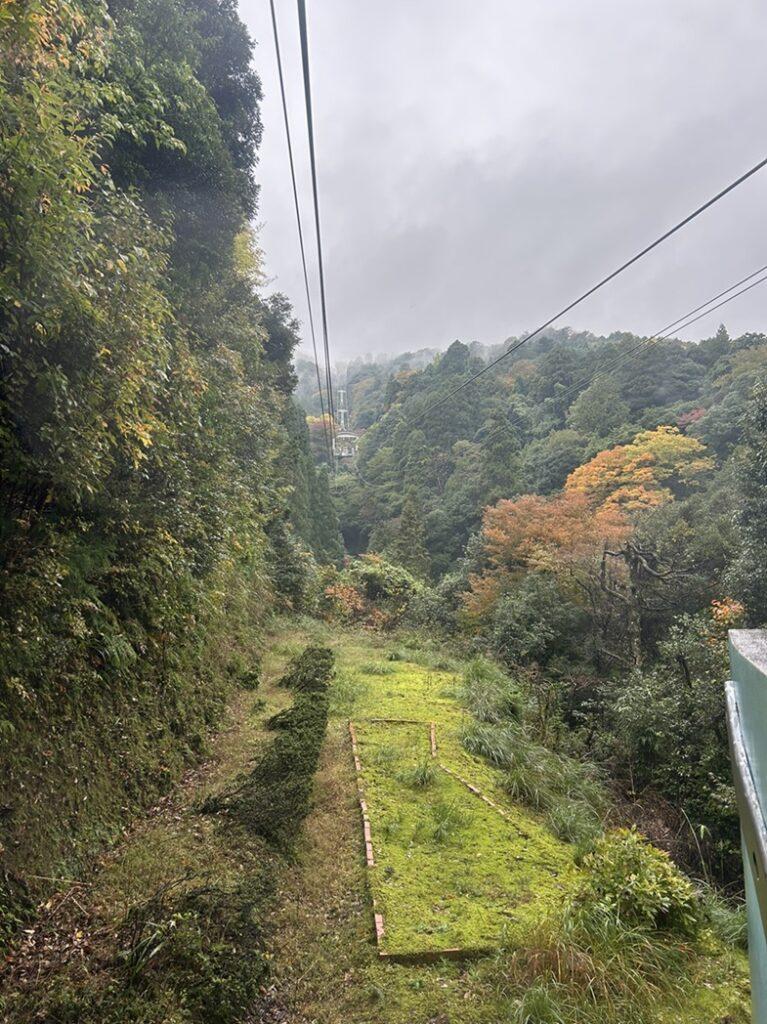
A ropeway takes you to the heights to see a panoramic view of Kinosaki, up to the sea of Japan (when weather allows). On a rainy day, the view is not that good tho. From the cable car arrival station, you can hike up to mount Daishi, or walk down to the city. Temple Onsen-ji is near the arrival station.
Temples
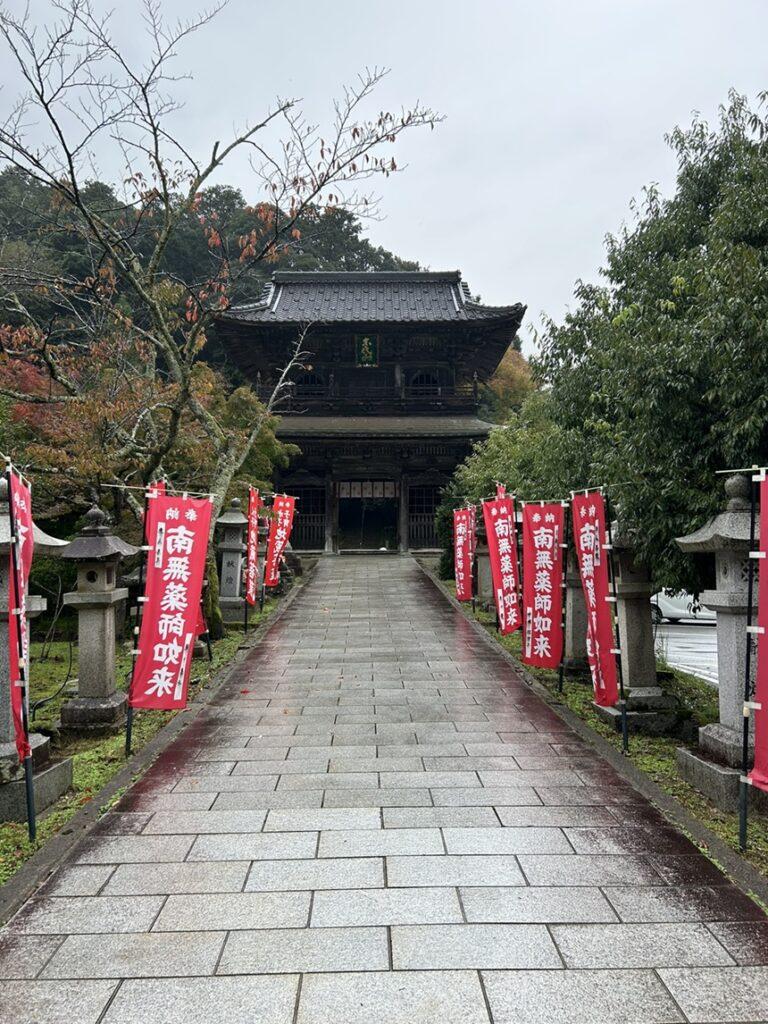
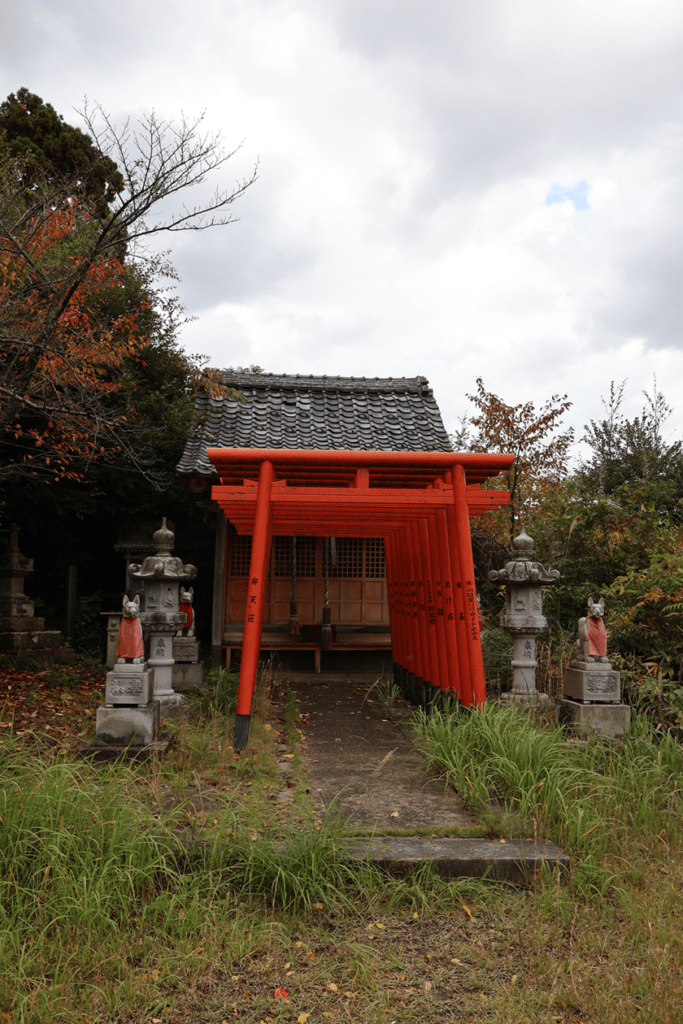
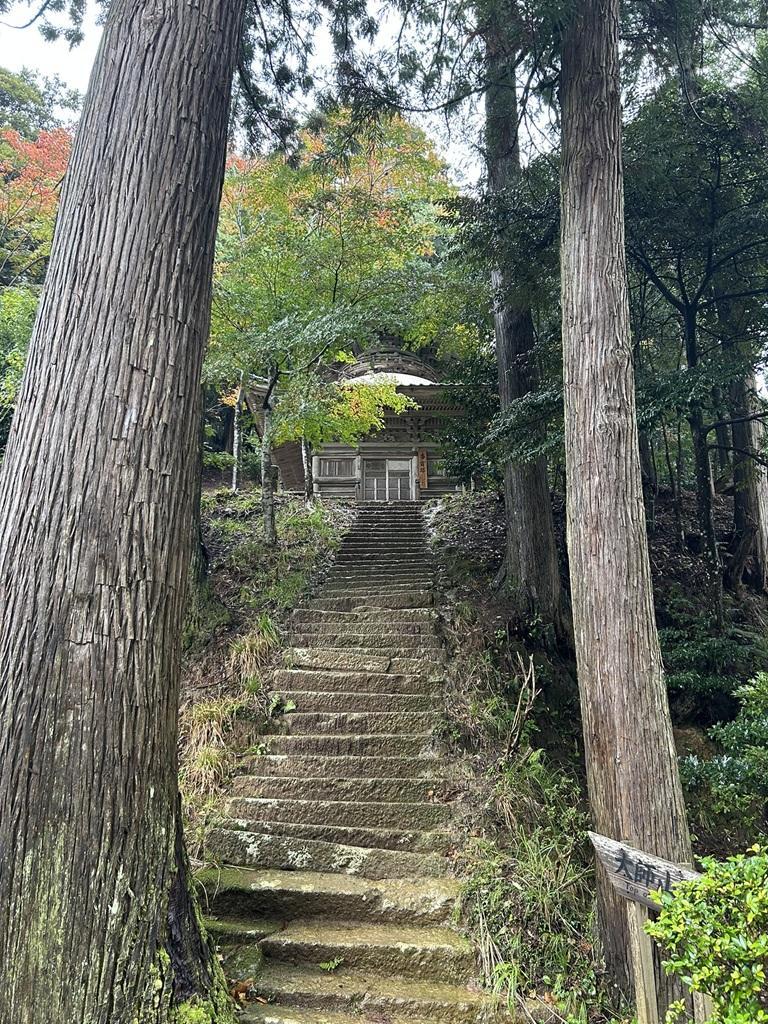
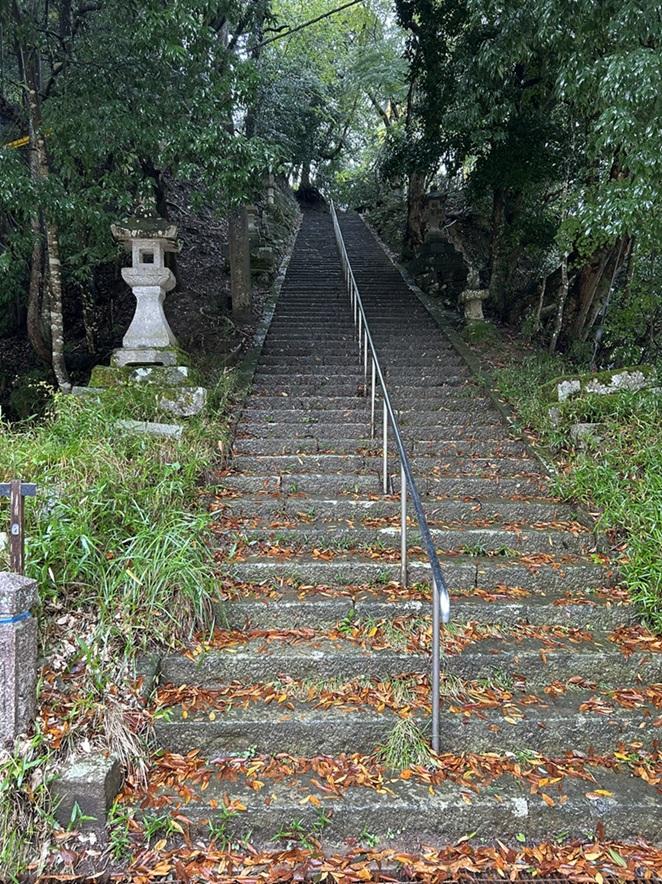
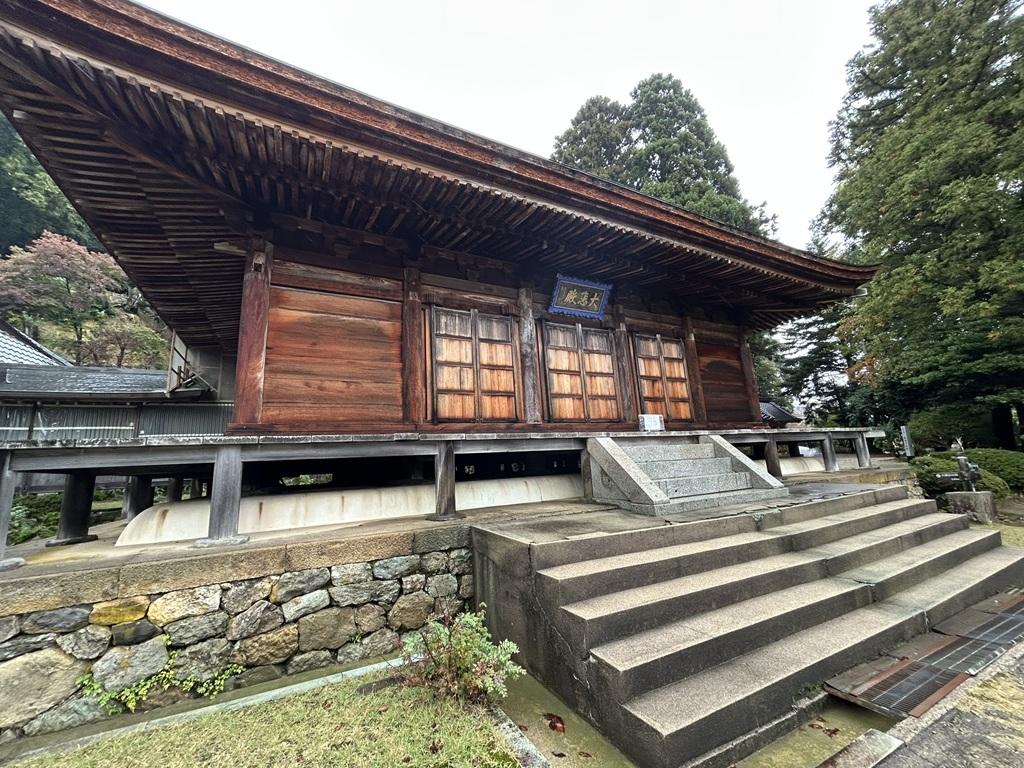
There are several temples to discover in Kinosaki so keep an eye open and allow yourself to wander in secondary streets to find community shrines or paths to hidden temples.
Fun fact!
The Japanese are really proud of their natural waters, and you’ll often find a fountain to drink from springs. In Kinosaki, you’ll find drinking fountains of onsen water! There are several in the city, the first one almost directly after you go out of the train station. Yes, it’s hot, mineral-heavy, salty-tasting water, but it’s worth the experience!
Staying at a ryokan in Kinosaki
There are many ryokan (traditional Japanese inns) in Kinosaki, and you’ll find accommodation for all budgets. They can be booked via the Kinosaki onsen town website. Booking a night in a ryokan in Kinosaki generally includes the following services, but always check the description and conditions as they might change:
- nights
- kaiseki breakfast (typical Japanese way of serving many different small plates to show a variety of ingredients and cooking methods)
- kaiseki dinner
- tea ceremony
- towels, socks, yukata, shoe… rental
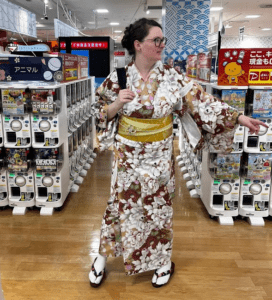
- optional kimono rental for women (they are not for visiting the baths but to wander in the city)
- the seven public onsen pass
Some ryokan have their own baths on-site, and depending on the place they can be free or require an additional fee, pre-booked or in self-service, communal or private.
The onsen experience: what to expect and how to behave, step-by-step
Leaving for the onsen
There isn’t much you need to bring with you. It’s recommended to wear a yukata (it’s similar to a kimono but way simpler, in a lighter fabric) and just your underwear underneath. Choose underwear that will dry easily as your skin will be very hot and even after thorough drying, you might still sweat for a while.
There is etiquette on how to wear a yukata, this post describes it all, the most important is probably that you should always wrap the right side then the left side, not the other way around.
If you’re staying at a ryokan, you’ll have a yukata (in autumn and winter, they provide an assorted jacket), geta (traditional wooden heightened sandals) or flip-flops, tabi (socks that have a separation for the big toe) and towels (a big one and a small one), as well as a bag to carry it all. You’ll also get the seven public baths pass with a cord to wear around your neck.
You can bring a waterproof little bag for your belongings like smartphone and wallet. It’s forbidden to bring them inside the baths or to use them in the changing rooms, but the waterproof case is useful because you’ll then have wet towels. You can leave most of your things at the ryokan to feel confortable, just think about bringing some coins to buy a drink after the bath.
If you’re facing rain, no worries: there are free rental umbrellas in some places and your ryokan will also be able to provide one. Just be respectful and careful and don’t take someone else’s umbrella! Available umbrella are displayed in dedicated places.
First steps inside the onsen
First, and this is common to all places we visited in Kinosaki, you enter in a big room organized like so:
- it starts with a genkan, the entryway where you remove your outdoors shoes,
- with you shoes in your hands, you can now walk on the wooden floors and place your shoes (only!) in individual lockers, locked by a key,
- a resting area is located nearby and allows to cool down, drink something or wait for friends or family,
- there are two separated entrances, one for women and one for men.
There will be staff members making sure everyone’s respecting the rules.
Changing rooms
Once you entered the dedicated area for women or men, you’ll get to the communal changing room. There are usually benches in the center of the room. You’ll always find individual lockers where you put your belongings. They’re locked with a key that you keep with you on a wrist band.
You have to leave everything in the changing room, the only thing you could bring is the small towel. That’s the towel some Japanese people like to put on top of their head when bathing. It can be used to hide your genitals while walking (it’s often called “modesty towel”).
Very important rules:
- you cannot wear anything, anything, included jewellery, inside the onsen,
- you cannot bring any smartphone or recording device with you.
Leaving the communal changing room, you are bare naked and should only carry your small towel. That towel will allow you to remove excess water so you don’t make the changing room damp.
Note I think I’ve seen one individual changing room in one of the onsen (a little hidden place with a curtain), but there’s not guarantee to find that kind of accommodation and you’re most likely to undress in a communal room.
Showers
Showers are also in a communal space and are mandatory before entering the bath! The showers are facing the walls. You mostly shower seated, using provided stool. A bassin can be used for more efficient rinsing. Shower gel and shampoo are provided.
You cannot go into the water with make-up or other skincare products that could make the baths dirty. Ideally, you wouldn’t put on make-up, perfume, moisturizing cream and anything on your skin on that day, but if it’s the case you should wash it away thoroughly.
Regarding hair, some people like to wash their hair before going into the onsen, others just tie them up. As Kinosaki is a whole town with several onsen and that you’re likely to visit several in a row, I think it’s more confortable to tie your hair up so you don’t walk outside with wet hair nor need to dry them after each bath. In any case, it’s forbidden to let your hair touch the water so tie them careful.
Baths
After a mandatory shower, it’s finally time to enjoy the baths. Depending on the place, there are one or two baths. When there are several, it’s likely that one of them is much hotter than the other, so the recommended flow is to start with the “colder” one, then dip into the hotter one is you’d like.
Regarding the little towel, you might find a shelf, open lockers, or hangers to put it. If you go for the Japanese way (on top of the head), be really careful not to drop it into the water. I personally tied it around my head like a scarf, since it’s a long and thin one it’s really easy to knot it on top of the forehead!
Going out of the bath
After the bath, you can shower or not. Minerals from the onsen water should be rinsed because it’s better not to leave them for too long on the skin. However, if you’re visiting several onsen on the same day, you’ll have to shower at the next place before entering the water. Showering after the bath depends mostly on the time you might spend before your next shower.
Remove as much water as you can from your body with the small towel or your hands before you go back to the changing room. There are hairdryers in there if needed.
Resting area
Back to the main room, you can enjoy the resting area, sitting on tatami. There are vending machines, and you’ll always find one that sells milk-based drinks. This is a tradition among the Japanese as these drinks are thought to replenish your body after a very hot bath. That area let’s you rest while you wait for people of the other sex (since smartphones are forbidden and you cannot communicate when you’re done on your side).
Leaving the onsen
If you had a milk drink, don’t forget to place the empty bottle at the dedicated spot.
When you’re ready to leave, go to your shoe locker and grab your shoes, but wait until you left the wooden flooring before you put them back on!
Last thoughts: our honest opinion about Kinosaki
We cannot compare with other places as this was our only onsen experience so far.
My opinion
At first, I wasn’t really looking forward as public bathing in my country usually happens with a bathing suit on, but I must recon the experience of bathing naked was better than I expected. The only people I caught looking at me where Western tourists, but I managed to ignore it.
However, globally, it didn’t feel as relaxing as I hoped, mainly for two reasons. First, there were way too many people in the baths, which resulted in a lot of noise (those places really reverberate the noise). When we visited, tourism from China was still peaking, which means many visitors often traveling as a group, so there were a lot of chit-chats inside the baths. Only when we visited the farthest onsen and went later at night did I find it quieter. After discussing it with my husband, it appeared that there were more people on the women side, and also that men tended not to chat.
The other thing that made the stay less enjoyable was rain (and of course, there isn’t much you can do about it). Walking from one onsen to another under then rain let the relaxation evaporate from my body, but the worst was probably walking in puddles with open-toe shoes. Some people were using shuttles or taxis to move from one onsen to another, but I think it’s really a pity since the city is walkable. So, yeah, so much for the style, but if I had to face the same situation I would just wear my own sneakers with the yukata to save my feet from the puddles!
As I mentioned already, I was quite surprises that they allow so much car traffic inside the city, and it really impacts the walking experience.
My husband’s opinion
I was surprised by the first steps in the city as, based on websites and official tourism information, I really didn’t expect coming in a shopping and restaurant area straight from the station. As Kinosaki is presented as a walking city, I was surprised by the number of cars. All along the river, there were more people, more activity and noise than I expected.
The first steps in the city, under the rain, with fresh air meeting onsen fumes, gave it a dreamlike look that I really enjoyed.
Even though the weather was not the best, I liked taking the ropeway to Onsen-ji, the fall colours and maple trees. We were almost on our own. Walking down the stone and wooden steps felt really relaxing as we couldn’t guess the city was just a few hundreds meters away. It gave me the same feeling as some off-the-beaten-track places we visited in Japan, were it’s quiet and you can enjoy nature.
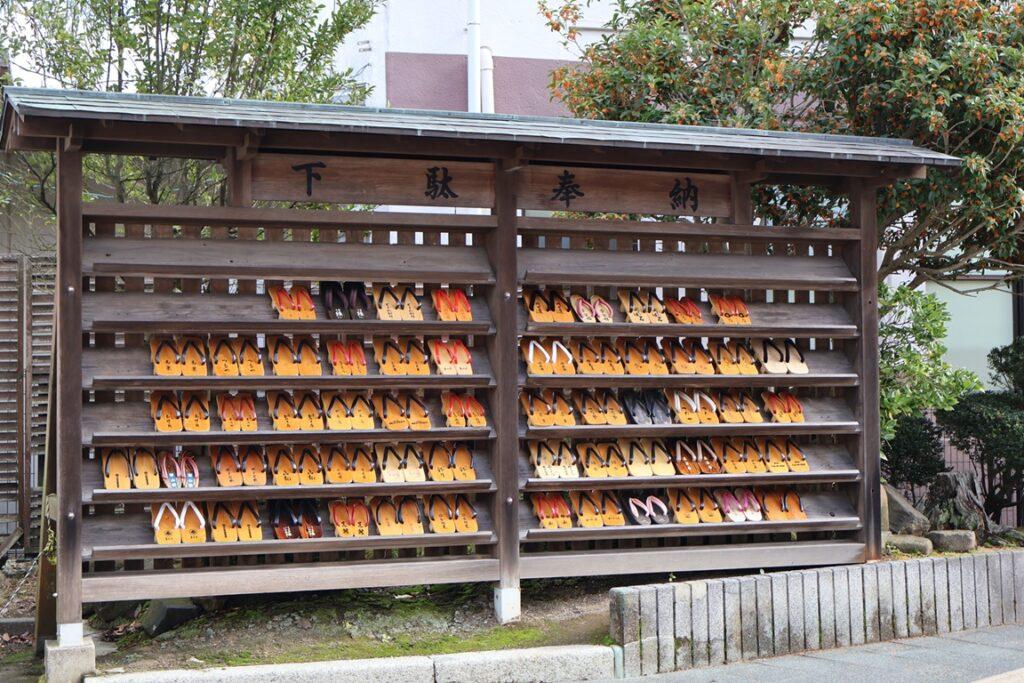
The ryokan experience is hard to forget. I still remember tens and tens of geta and sandals aligned in the entryway. The owner was really proud of his ryokan, he was really energetic. He insisted on taking some pictures of us (with our own smartphones) at dedicated photo spots of the ryokan, although we just arrived and had our usual clothes on.
The traditional style room was really nice, calm, and situation just above the outdoor onsen waterfall, which made for a really nice relaxing sound. They ryokan had two baths on-site, which could be used as private baths in the afternoon). We enjoyed the tea ceremony with the owner’s mother, the hot matcha was very welcomed after walking under the rain earlier.
We could try both baths at the ryokan and they were really nice. First one was a cavern, the second one was open-air with a waterfall and surrounding trees. Having access to those private baths was a great way to try onsen without the pressure of being watched by strangers. It’s really organized the same way (changing room with lockers, showers…) but at a smaller scale.
The kaiseki meal at the ryokan was huge and there was a lot of variety. I also remember the crab saké we tried there, you don’t see that often! The experience would have been perfect if we could have had dinner in our room, enjoying the sound of the waterfall, but this was not an option anymore when we visited. Breakfast was also huge, especially since we had a very copious meal the night before. It had a lot of very stuffing food, like rice porridge, served in large quantities.
In the evening, we tried geta shoes in order to wander around. At first it was not easy but after a while it became very comfy. Streets had less cars in the evening, which felt good. At night, you really understand why this town is so famous, as the view along the river is amazing. I still remember the heron that didn’t even flew away, although people were passing by above it. It felt like a Ghibli scene!
On the men side, baths were pretty empty in the evening, I was even totally alone for a few minutes in one of the gorgeous onsen with waterfall and rocks. I could imagine myself visiting onsen every day if I had the chance! I never felt so relaxed. I was a bit concerned about being judged for my tattoos but it didn’t feel like people were staring or anything.
All in all, I’m really happy we went for the night at a ryokan, including picking one with private baths. The Onsen-ji temple was worth taking the ropeway, and wandering in the city in a yukata at night is a must-do. And I really loved the cannelés we found in the city! If I went back to Kinosaki tho, I would go during the week, with hope that it’s a bit less crowded in the city.

Continue reading: visiting the temple town of Narita while waiting for your flight